Zeaxanthin
noun (n.)
Definition
Zeaxanthin is a carotenoid pigment of certain algae such as red algae, cryptophytes, and others. This pigment plays a protective role against photooxidation. This carotenoid is found in corn, fruits, seeds, and egg yolk. It is also an (isomeric) xanthophyll of corn kernels Zea sp. in the Poaceae.Zeaxanthin in foods:
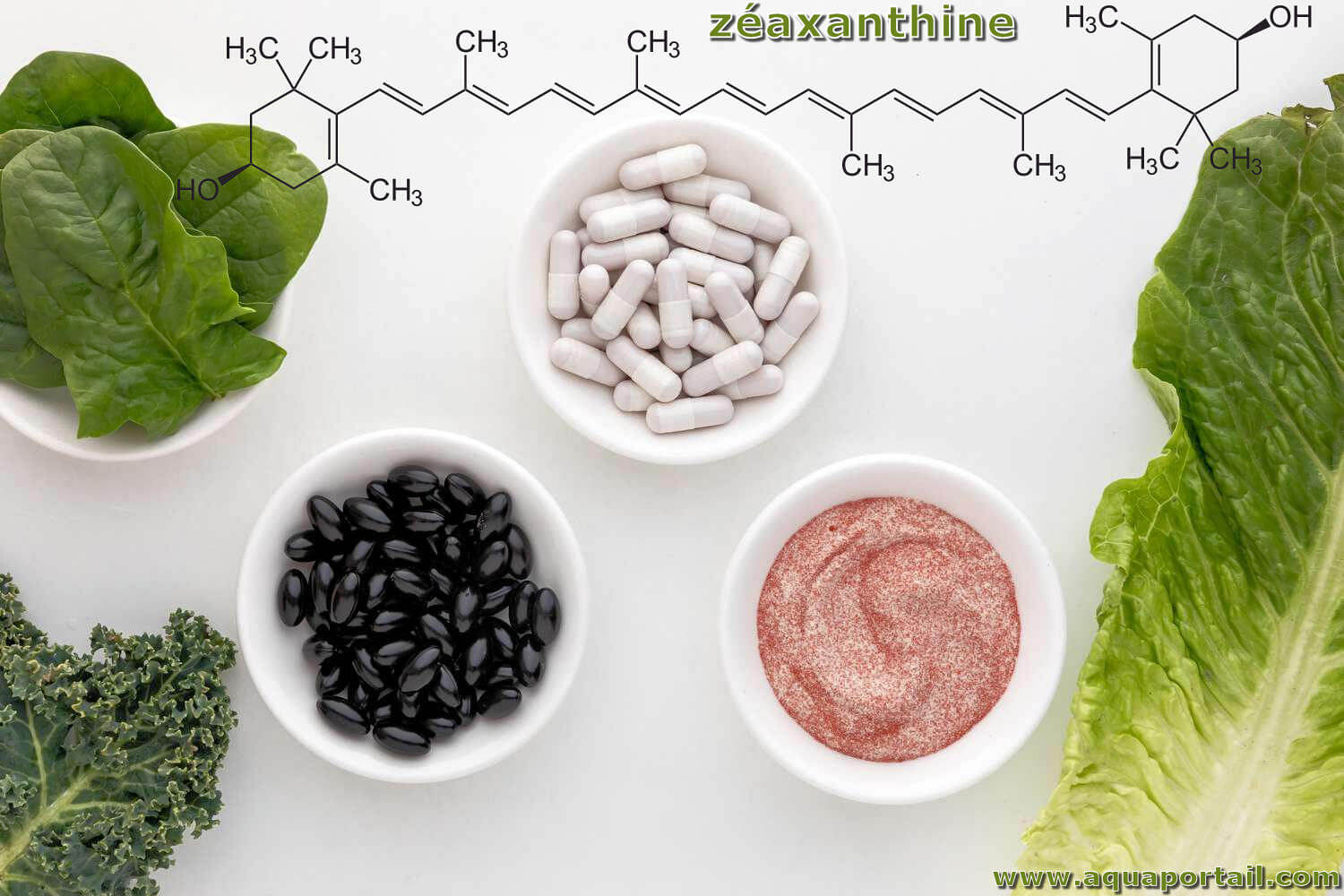
Zeaxanthin is a common carotenoid, a pigment present in large quantities in dark green vegetables, orange and yellow fruits, and egg yolks. It is also one of only two carotenoids present in the human eye, where it helps protect the eyes from the harmful effects of oxidation and light.
Explanations
Zeaxanthin is a carotenol (hydroxylated carotenoid). It acts as a bacterial metabolite, a cofactor, and an antioxidant, and is derived by hydroxylation from beta-carotene.
As a coexisting isomer of lutein, zeaxanthin is synthesized in plants and certain microorganisms. It gives the distinct yellow color to many vegetables and other plants, notably paprika, corn, saffron, etc.
It is available as a dietary supplement for its benefits to eye health and potential prevention of age-related macular degeneration. Zeaxanthin is also added as a food coloring.
Generalities
Zeaxanthin is a carotenoid xanthophyll and is one of the most common carotenoids in nature. It is the pigment that gives corn, saffron, and many other plants their characteristic color. Zeaxanthin breaks down to form picrocrocin and safranal, which are responsible for the taste and aroma of saffron. Carotenoids are among the most common pigments in nature and are natural fat-soluble antioxidants. Zeaxanthin is one of two carotenoids (the other being lutein) that accumulate in the lens and macular region of the retina, with concentrations in the macula higher than those found in plasma and other tissues.
Lutein and zeaxanthin have identical chemical formulas and are isomers, though they are not stereoisomers. The main difference between them lies in the location of a double bond in one of the end rings. This difference gives lutein three chiral centers whereas zeaxanthin has two. A relationship between macular pigment optical density, a marker of lutein and zeaxanthin concentration in the macula, and lens optical density, an antecedent of cataractous changes, has been suggested.
Xanthophylls may act to protect the eye from ultraviolet phototoxicity via quenching of reactive oxygen species and/or other mechanisms. Certain observational studies have shown that generous intakes of lutein and zeaxanthin, particularly from xanthophyll-rich foods such as spinach, broccoli, and eggs, are associated with a significant reduction in the risk of cataracts (up to 20%) and age-related macular degeneration (up to 40%).
While the pathophysiology of cataracts and age-related macular degeneration is complex and involves both environmental and genetic components, research studies suggest that dietary factors, notably antioxidant vitamins and xanthophylls, may contribute to reducing the risk of these degenerative eye diseases. Further research is needed to confirm these observations.
Lutein and zeaxanthin for vision
Not only do these powerful antioxidants exist in many vegetables, they are also found in the eyes, particularly the lens, retina, and macula. In fact, they play a role in maintaining healthy vision.
Lutein and zeaxanthin can help protect the eyes from harmful high-energy light waves such as ultraviolet rays from the sun. Studies suggest that high levels of both in ocular tissues are linked to better vision, especially in dim light or when glare is an issue.
See also zein in cereals and zeatin.
Synonyms, antonyms
Spanish translation: zeaxantina
1 synonym (similar meaning) for "zeaxanthin":
0 antonyms (opposite meaning).
Related words and expressions to ZEAXANTHIN are directly connected by general or specific meaning.
The word ZEAXANTHIN is listed on page 1 of words starting with Z in the dictionary glossary.
Related to "zeaxanthin"
astaxanthin

Astaxanthin is a natural carotenoid pigment found in certain chlorophyceans such as the genera Dunaliella and Haematococcus, or extracted from krill, notably...
ZEOvit method
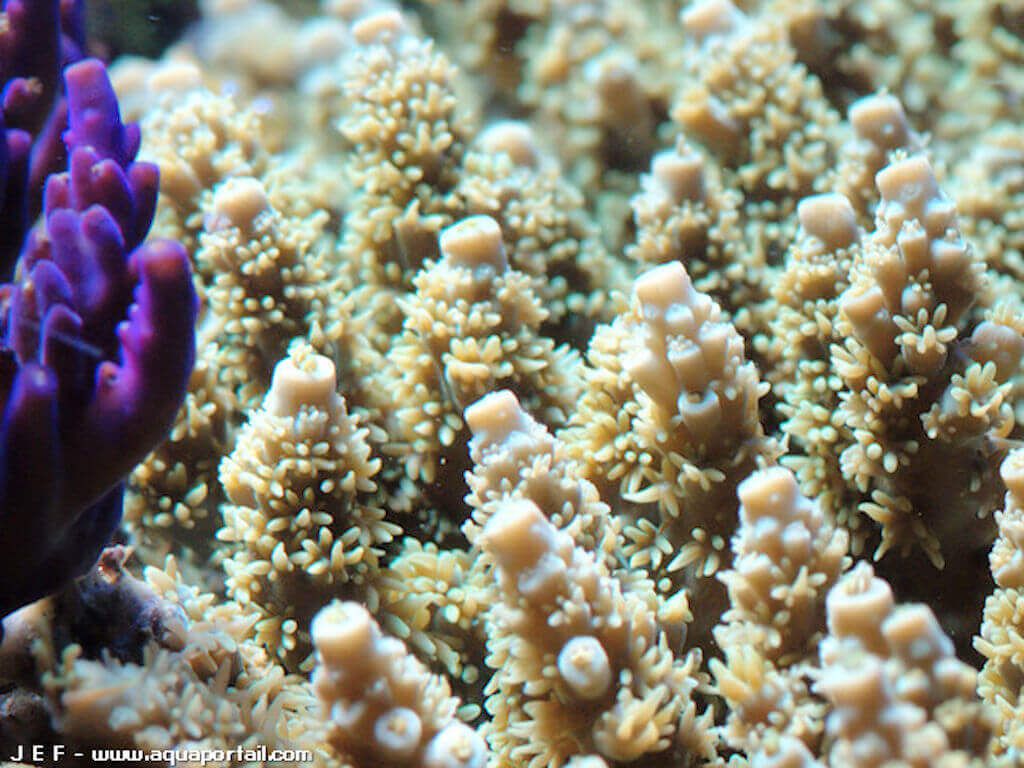
In marine aquariology, the ZEOvit method is a form of saltwater aquarium management aimed at enhancing the coloration of stony corals, though without using...
zoanthid

A zoanthid (or zoantharian) is a small, soft-bodied anthozoan lacking a calcareous skeleton, resembling a sea anemone, either solitary or colonial.
zoid

A zoid is a motile reproductive cell, whether a spore or a gamete, that moves by means of flagella or cilia.
