Density
noun (n.)
Definition
In physics and chemistry, relative density (specific gravity) is a dimensionless scalar quantity comparing the mass in a given volume of a substance to a reference substance, while average density is the ratio of a body's mass to the volume it occupies in space.
Example of densities :

The density of water is low compared to solid bodies. An iron (or other metal) object is denser than a cork object, regardless of its size and mass.
Relative density and mass density
Relative density is directly related to mass density. Relative density (denoted d) has no unit of measurement; it is the ratio of the mass density of a substance (symbolized by the Greek letter ρ, rho) to the mass density of pure water at 4 °C (39.2 °F).
Explanations
In physics, relative density expresses a ratio between two identical units and thus has no dedicated unit, whereas volumetric mass density is expressed in kg/m3 in the SI system. In aquariums, specific gravity corresponds to the ratio between the mass of a given volume of water containing dissolved mineral salts and that of an equal volume of pure water. In demography, population density corresponds to the number of living individuals per unit area.
Four main forms of density are distinguished:
- absolute density;
- relative density;
- mean (or point) density;
- bulk (apparent) density.
With lipoproteins, density may refer to low-density lipoproteins (LDL) and high-density lipoproteins (HDL).
In mathematics:
- In statistics, the probability density function.
- In topology, dense sets (a subset of a topological space).
- In number theory, Schnirelmann density.
- The density of a graph measures the ratio of its number of edges to the maximum possible number of edges.
In quantum mechanics, it may also refer to density functional theory.
Regarding stocking levels, see also stocking density.
Origin
The concept of relative density emerged at a time when measurement units differed from country to country. To avoid expressing values in disparate customary units and having to perform conversions, physicists assigned each material a dimensionless number representing the ratio between the mass of that material and that of an equal volume of pure water, a substance available in every laboratory (relative density).
When the unit of mass was established in the metric system—the kilogram, defined as one cubic decimeter (one liter) of pure water—the figure used until then coincided with mass density (when measured in kilograms per liter, a volume unit in the old decimal metric system still accepted by the SI, rather than kilograms per cubic meter, which is the coherent SI unit).
Synonyms, antonyms
Spanish translation: densidad
6 synonyms (similar meaning) for "density":
1 antonym (opposite meaning):
Related words and expressions to DENSITY are directly connected by general or specific meaning.
The word DENSITY is listed on page 1 of words starting with D in the dictionary glossary.
Related to "density"
concentration

Concentration (geographic) is the clustering of numerous elements around a central location.
dale

A dale is a small valley or glen that does not (or no longer) contains a watercourse. The concave hollowed space of a dale is not large enough to build...
daphnia
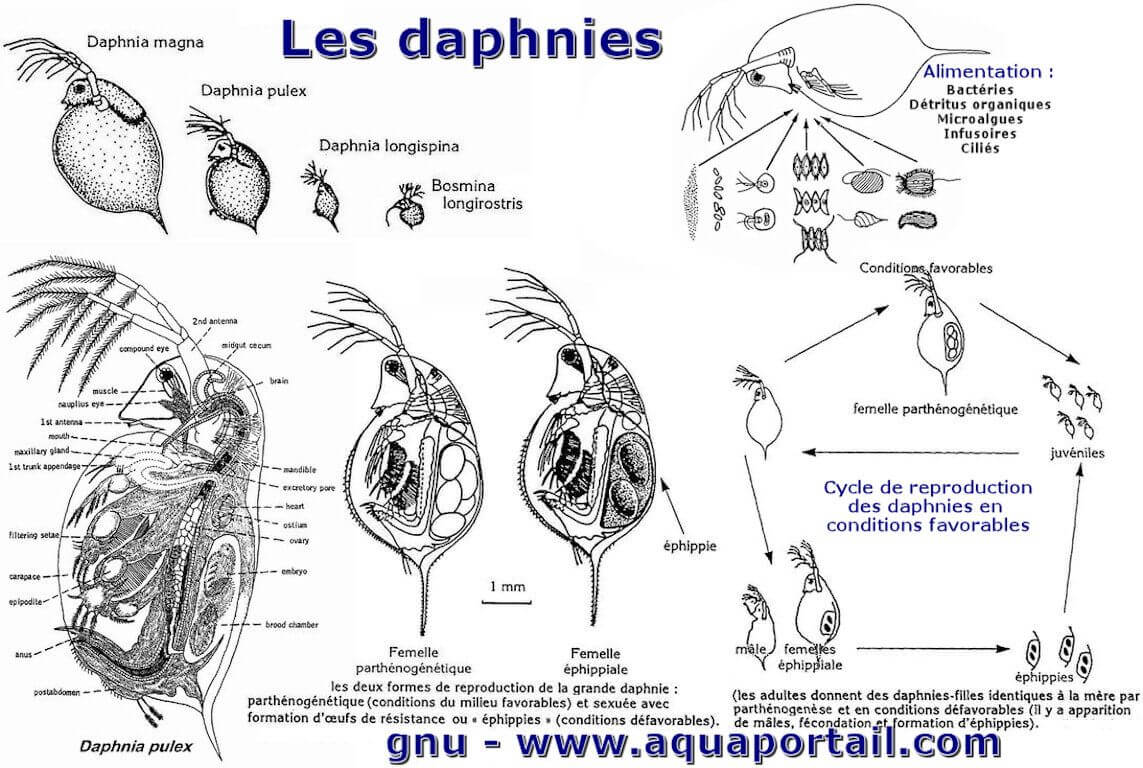
Daphnia is a planktonic branchiopod crustacean of the family Daphniidae, forming a dominant portion of freshwater plankton.
dawn

Dawn marks the transition between night and day, when the sky brightens and morning breaks in the East.
