Depression
noun (n.)
Definition
In geology, a depression is a landform sunken or depressed below the surrounding area. Depressions can be formed by various mechanisms, and several geomorphological variants exist.
In meteorology, a depression is a low-pressure area characterized by an interaction between cold fronts and warm fronts.
In psychology, depression is a mood disorder causing a persistent feeling of sadness and loss of interest.
A geomorphological depression:

The Karagiye Trench is a geomorphological depression shaped like a topographic hollow created by the collapse of limestone caverns near the Caspian sea in Kazakhstan.
Explanations
In climatology and meteorology, a depression is a low-pressure weather system that produces cloudy and rainy conditions. Depressions develop when warm air meets cold air.
Mental depression
Depression, or major depressive disorder, is more than simply feeling sad or weary for a few days. Most people go through brief low spells, but when clinically depressed, one experiences persistent sadness lasting weeks or even months rather than a few days.
Mental depression affects how you feel, think, and behave, and can lead to a variety of emotional and physical problems.
Geological depression
Types of topographic depressions include:
- a depression formed by volcanic eruption or wind deflation (generally in deserts or loess regions);
- a tectonic rift;
- an impact crater;
- a subsidence zone caused by weathering, collapse, or dissolution of underlying material, such as sinkholes (dolines) in karst, calderas in volcanic areas, or kettle holes in post-glacial terrains;
- an area where Earth's crust slowly descends into the mantle—a subduction zone—sometimes accompanied by an island arc. On either side of the subduction zone, tectonic basins form, called forearc and back-arc sedimentary basins;
- a depression resulting from the weight of an overlying mass such as an ice sheet during continental glaciations, which after melting leaves a slowly rebounding basin, a process known as post-glacial rebound;
- a pothole: either a simple depression in a roadway or a fluvial erosion hollow (plunge/scour pothole) in a riverbed or tidal zone;
- a plunge pool, the depression at the base of a waterfall carved by the erosive force of falling water.
One of the most impressive depressions is the Great Rift valley in East Africa. Another remarkable depression is the Atlantic ocean basin.
✅ Closed depressions are considered the most common karst landforms. They function to channel precipitation and runoff vertically downward to recharge aquifers. Their diameter ranges from a few meters to tens of kilometers, and their depth from a few centimeters to several hundred meters. The smallest of these features are called dolines (sinkholes), or chasms for larger ones.
Compound depressions, with hollows within hollows, can develop through the coalescence of dolines or the formation of sub-basins within a larger feature; these are called uvalas or compound closed depressions. Larger closed depressions, with floor areas covering several hundred square kilometers in some cases, occur in certain karst regions, particularly in Mediterranean and tropical zones where karstification is advanced. These landforms are called poljes, a South Slavic word for "field," emphasizing the relatively flat, sedimented floor of the feature. They often possess complex internal drainage systems.
⭐ In wetland depressions, drainage ditches are filled in to restore peat-forming processes and the herbaceous flora typical of undisturbed peatlands.
Meteorological depression
Meteorological depressions develop when warm air (possibly maritime tropical) meets cold air (possibly maritime polar). The boundary between contrasting air masses is called a front.
Meteorological depression (diagram):

Cross-section of a weather depression moving from west to east.
Weather depressions bring a sequence of meteorological changes as they pass overhead. Due to rising air caused by frontal movement and the interaction between warm and cold air, extensive cloud cover and precipitation occur.
Depressions appear clearly on satellite imagery as large swirling cloud vortices.
Synonyms, antonyms
Spanish translation: depresión
5 synonyms (similar meaning) for "depression":
- crater
- low pressure
- topographic hollow
- vallecula
- valley
0 antonyms (opposite meaning).
Related words and expressions to DEPRESSION are directly connected by general or specific meaning.
The word DEPRESSION is listed on page 1 of words starting with D in the dictionary glossary.
Related to "depression"
valley

In geology, a valley is a depression, an elongated low-lying area between higher landforms such as hills or mountains, often with a river flowing through it.
dale

A dale is a small valley or glen that does not (or no longer) contains a watercourse. The concave hollowed space of a dale is not large enough to build...
daphnia
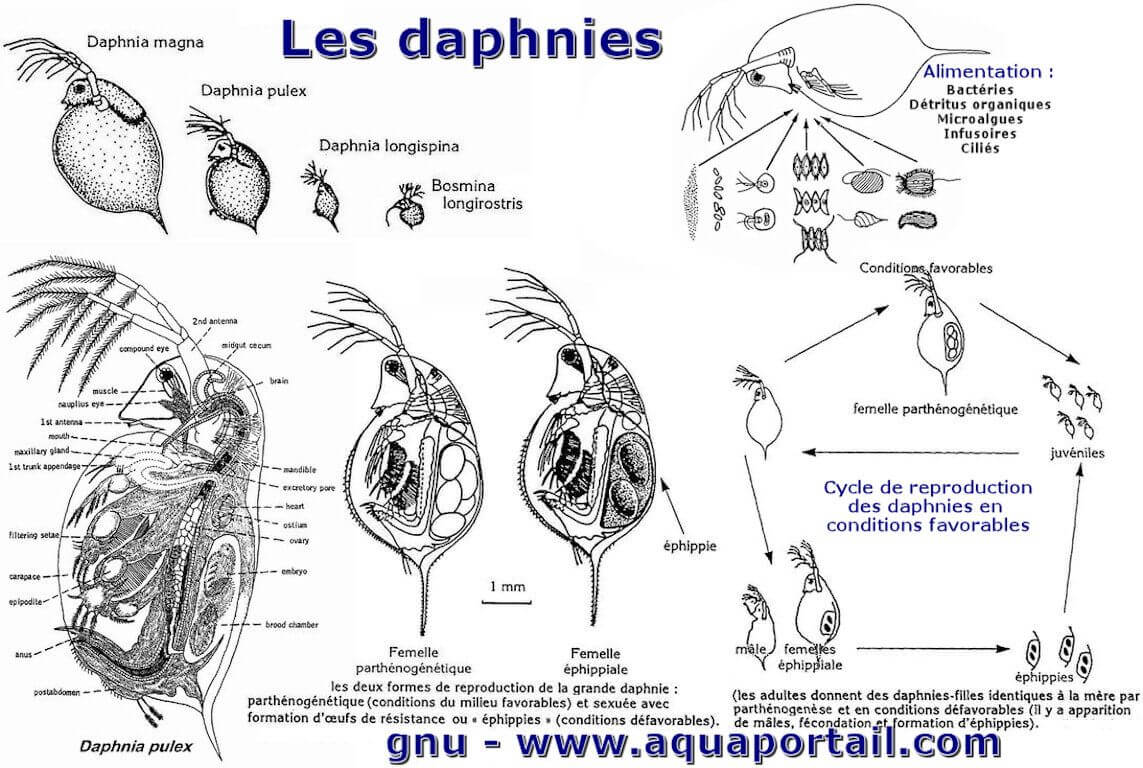
Daphnia is a planktonic branchiopod crustacean of the family Daphniidae, forming a dominant portion of freshwater plankton.
dawn

Dawn marks the transition between night and day, when the sky brightens and morning breaks in the East.
