Diatomite
adjective (adj.)
Definition
Diatomite is a siliceous sediment resulting from the accumulation of fossil diatom frustules. Diatomite is known by other names such as celite, kieselguhr, diatomaceous earth, fossil meal, tripoli, or randannite.Diatomite deposit on siliceous soil:
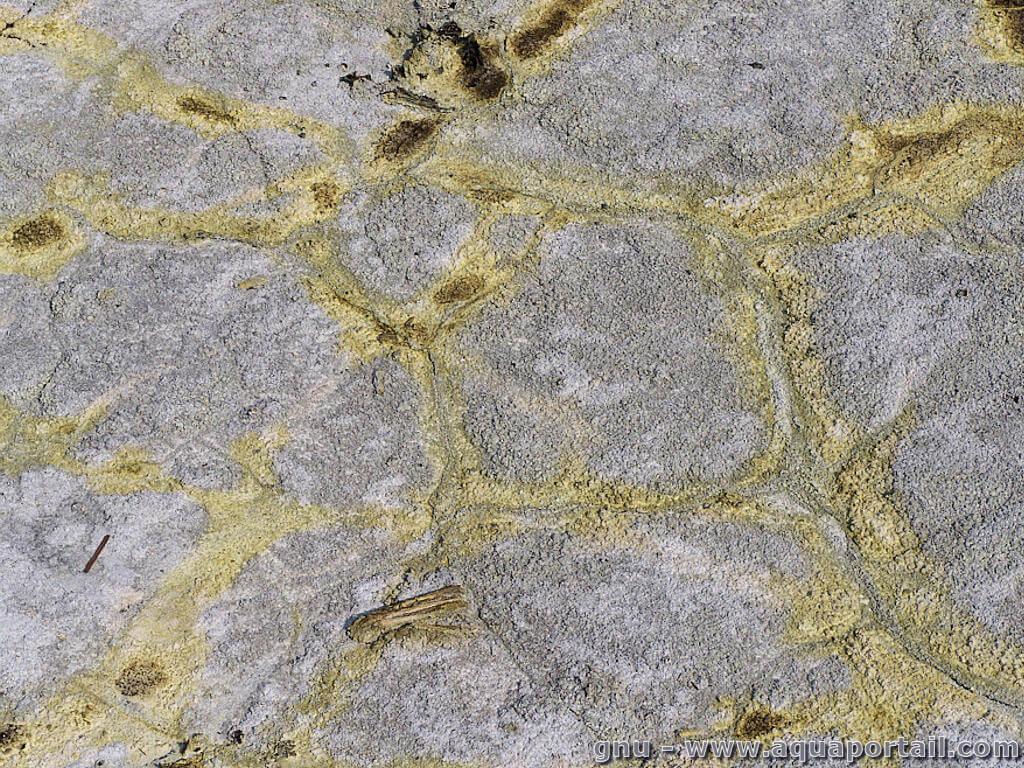
This deposit of diatomite (or diatomaceous earth) in a protected conservation area produces a siliceous soil.
Explanations
Sediments composed of diatom skeletons may occur in both freshwater and seawater. Diatomaceous earth is an agglomerate of dehydrated, compacted diatoms above sea level and is usually formed in lakes.
Diatomite is produced in situations where dead diatoms are not decomposed and consequently accumulate on the lakebed or seafloor. Only deep-sea diatomaceous ooze (fossil meal) forms in the deep ocean. Under conditions of silicate ion undersaturation, the diatoms in diatomites dissolve in the water column after the organism dies. This is not the case with an excess of silicate ions, which favors the formation of diatomaceous earth.
Another cause of dissolution of fossil diatoms can be anoxic (oxygen-depleted) conditions in the lower portion of the water column. This occurs in lakes (or seas) with a stratified water column, meaning different conditions exist in the upper water column (for example, oxygen-rich or relatively warm) versus oxygen-free or relatively colder deeper water.
Such conditions often exist in deeper waters. "Layers" (strata) with different types of water are frequently separated by a transitional layer (such as a thermocline), though the transition may also occur gradually. If an organism crosses the transitional layer, there is often no turning back and it dies; in such a situation, diatomaceous earth can also develop.
Raw diatomite is water-saturated and uncompacted. Through compaction and dehydration, diatomaceous earth is formed from this mud. Through further compaction and cementation, a harder rock can form from diatomaceous earth, also called diatomite.
Because many diatoms undergo seasonal blooms, there is a peak in diatomaceous earth formation during part of the year. Because not only diatoms settle out, sedimentation of other materials continues outside the bloom peak.
As a result, the diatom agglomerate is often banded, forming a sediment composed of light- and dark-colored layers. In such cases, each light-dark layer pair represents one year.
Synonyms, antonyms
Spanish translation: diatomita
4 synonyms (similar meaning) for "diatomite":
- ceyssatite
- diatomaceous earth
- fossil meal
- randannite
0 antonyms (opposite meaning).
Related words and expressions to DIATOMITE are directly connected by general or specific meaning.
The word DIATOMITE is listed on page 1 of words starting with D in the dictionary glossary.
Related to "diatomite"
dale

A dale is a small valley or glen that does not (or no longer) contains a watercourse. The concave hollowed space of a dale is not large enough to build...
daphnia
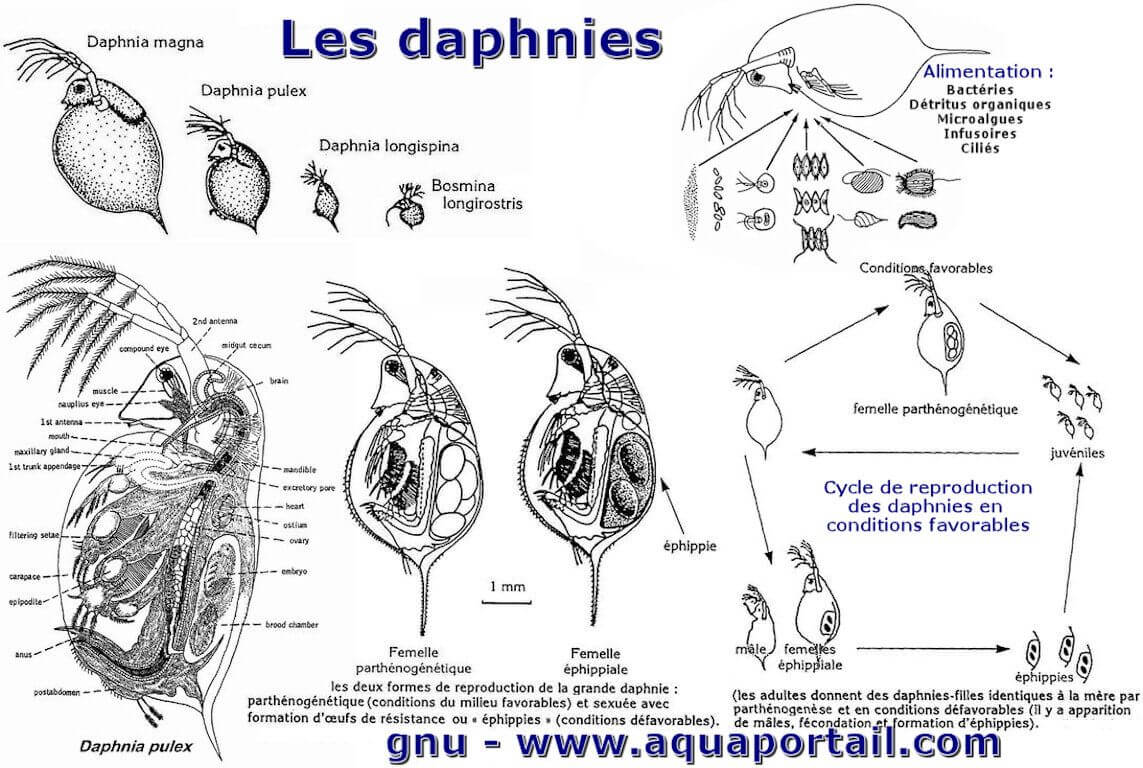
Daphnia is a planktonic branchiopod crustacean of the family Daphniidae, forming a dominant portion of freshwater plankton.
dawn

Dawn marks the transition between night and day, when the sky brightens and morning breaks in the East.
deltoid
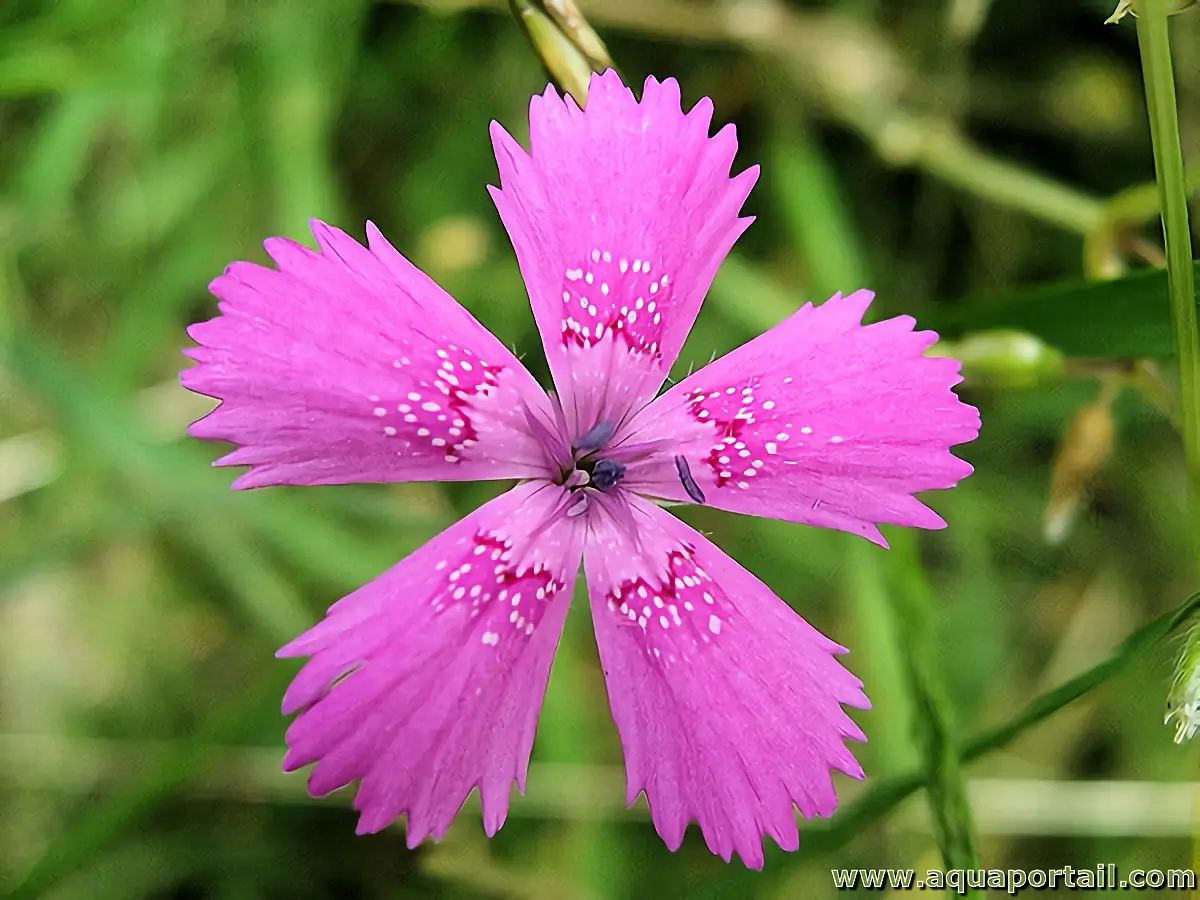
Generally, what is deltoid is triangular, having a shape that evokes the uppercase Greek letter delta Δ, delta-shaped.
