Zooxanthella
noun (n.)
Definition
Zooxanthellae are brownish symbiotic microalgae of the family Symbiodiniaceae (including the genus Symbiodinium) living inside non-chlorophyllous marine organisms, such as invertebrates or protists.
Zooxanthellae under the microscope:

Zooxanthellae algae supply sugars to their hosts—primarily corals—enabling them to thrive in nutrient-poor waters and coral reefs.
Explanations
A zooxanthella belongs to the dinoflagellate group (endosymbiotic dinophytes). It differs from a zoochlorella by the nature of the algal symbiont (green algae in the case of zoochlorellae). It was previously assumed that all such dinoflagellates belonged to a single species, but genetic studies have revealed numerous distinct lineages and genera in marine environments.
The mutualism between zooxanthellae and stony corals is threatened by climate change. Symbiotic algae of the family Symbiodiniaceae have short generation times compared to their coral hosts, which may enable them to evolve rapidly and adapt to climate change. A key question remains: does the evolution of zooxanthellae also confer lasting adaptation upon their host?
These microalgae occur, among others, in hosts such as zooxanthellate corals, certain mollusks like giant clams, nudibranchs, jellyfish, and protists such as foraminiferans and radiolarians.
Polyp-alga symbiosis with corals
Zooxanthellae supply energy to the host through endosymbiosis, while the host provides protection and an illuminated position suitable for photosynthesis and nutrient uptake. However, certain corals, known as azooxanthellate corals, do not rely on these dinoflagellates to survive. An azooxanthellate coral is generally not reef-building.
Zooxanthellae are densely packed inside this stony coral Acropora horrida:
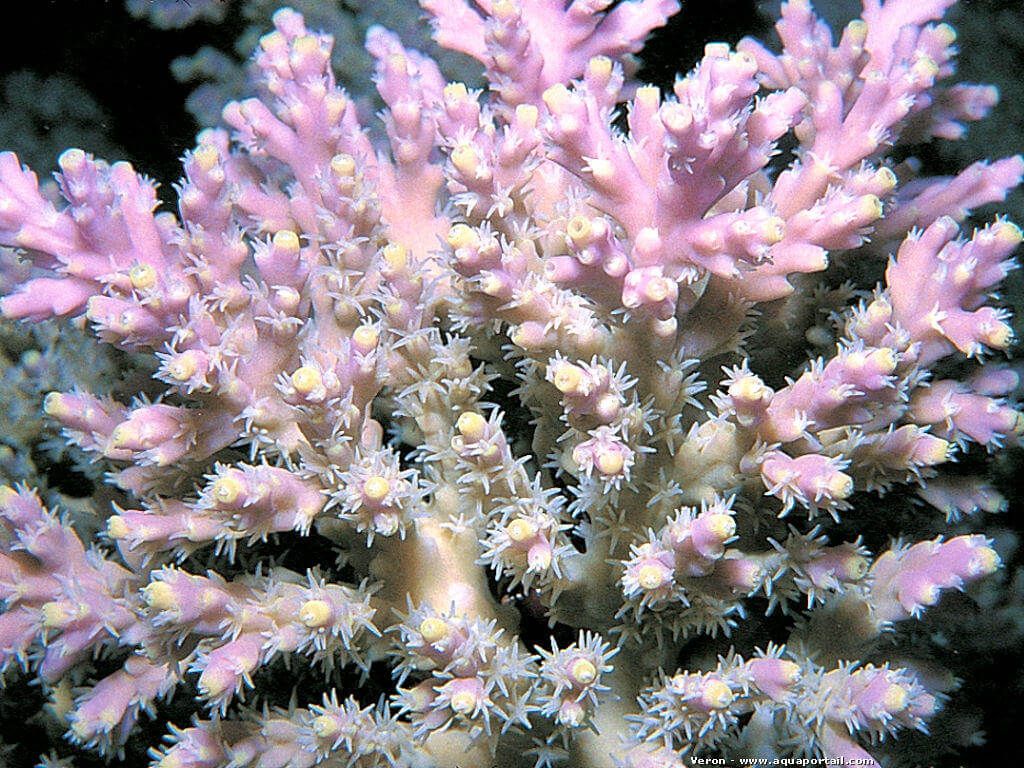
By extending its polyps, the coral Acropora horrida exposes its zooxanthellae to sunlight in the sea to carry out photosynthesis.
Dinophyte algae are symbiotic dinoflagellates (Symbiodinium and related genera) living in symbiosis with giant clams, corals—including sea anemones—and certain sponges. These algae supply their host with synthesized organic molecules and receive nitrogen, phosphorus, and carbon dioxide in return for their growth. Zooxanthellae are also hosted by various species of sponges, flatworms (certain acoels and planarians), mollusks such as giant clams, foraminiferans (soritids, Soritacea), and certain ciliates.
The protist Symbiodinium microadriaticum is a zooxanthella:

Symbiodinium microadriaticum is a species of zooxanthella living in symbiosis with many coral species. Organisms living in symbiosis with zooxanthellae are termed zooxanthellate. Zooxanthellae are located in the endoderm and are intracellular, making the symbiosis an endosymbiosis.
Simplified definition of a zooxanthella: a unicellular dinoflagellate alga symbiotic with certain mollusks, coral organisms, and sponges. It resides in superficial tissues as an endosymbiont of its host so as to receive sunlight, producing organic matter via photosynthesis from which its host benefits.
Generally, these dinoflagellates enter the host cell via phagocytosis, persist as intracellular symbionts, reproduce, and disperse into the environment. A notable exception involves most mollusks (such as giant clams), where the symbiotic microalgae are extracellular (within the zooxanthellal tubular system). cnidarians associated with zooxanthellae occur primarily in warm, oligotrophic (nutrient-poor) marine environments, where they often form the dominant components of benthic communities. These dinoflagellates are thus among the most abundant eukaryotic microorganisms found in coral reefs and their ecosystems.
Role of zooxanthellae
Zooxanthellae live within the host's body and supply it with sugars, starch, and other biological products. Both the host and the protists benefit from the symbiosis, making it a mutualism. In foraminiferans, the symbiosis is facultative, meaning both organisms can in principle develop without one another. However, tropical reef-building scleractinian corals die after expelling their zooxanthellae under thermal stress, a phenomenon known as coral bleaching. See also the family Symbiodiniaceae in the order Suessiales.
✅ When a host (such as the sea slug Elysia chlorotica) retains not the whole algal cells, but solely their functional chloroplasts, the phenomenon is termed kleptoplasty.
Zooxanthellae and corals: how do they evolve with climate?
In the context of unprecedented global change, ecologists seek to understand how species communities, interspecific interactions, and individual physiologies will respond to rapid environmental shifts. Species communities respond to global change through ecological mechanisms (shifts in relative abundance) and evolutionary mechanisms (shifts in relative gene frequencies). Coral reef ecosystems are among the most threatened by climate change and are declining rapidly due to rising levels of environmental stress. Many reef species (e.g., corals and other cnidarians, mollusks, sponges, flatworms, foraminiferans) are able to survive in nutrient-poor tropical ocean waters because they rely on symbioses with symbiotic dinoflagellates.
Intracellular symbionts provide amino acids and simple sugars to the host in exchange for nitrogenous waste products. When local ocean temperatures exceed a critical threshold, this symbiosis breaks down, causing loss of pigmentation or expulsion of symbiotic algae, known as "bleaching." Host species with relatively long generation times are unlikely to adapt rapidly to climate change on their own, yet theory suggests that rapid adaptation to rising temperatures by short-lived symbionts can prevent breakdown of the symbiosis and confer resilience on the holobiont (the host and its associated microbes). Our ability to predict the effects of rising sea-surface temperatures on coral reef communities is limited by incomplete knowledge of the functional response of different symbiont types and the role natural selection may play in generating phenotypes capable of functioning under thermal stress.
Zooxanthellate organisms
Zooxanthellate organisms refer to living species harboring zooxanthellae; they possess endosymbiotic dinoflagellates (algae of the phylum Dinophyta) known as zooxanthellae. Zooxanthellate contrasts with azooxanthellate. See also aposymbiotic.
Azooxanthellate
Azooxanthellate describes organisms (typically corals) lacking zooxanthellae. Azooxanthellate organisms do not possess zooxanthellae. Certain uncommon species may include both zooxanthellate and azooxanthellate individuals.
An azooxanthellate coral, if a scleractinian, is most often ahermatypic, though not necessarily so. A stony coral lacking zooxanthellae can build a calcareous skeleton and contribute to deep-water reef construction. The concepts of ahermatypism and azooxanthellate are not strictly synonymous.
A temporarily azooxanthellate organism is apobiotic. An apobiotic organism is momentarily devoid of its zooxanthellae (an adaptive phase prior to becoming zooxanthellate).
Apobiotic
An apobiotic organism is temporarily devoid of its zooxanthellae, typically referring to temporarily azooxanthellate corals (adaptive phase).
Synonyms, antonyms
Spanish translation: zooxantela
4 synonyms (similar meaning) for "zooxanthella":
- chlorella
- symbiotic alga
- unicellular alga
- xanthella
0 antonyms (opposite meaning).
Related words and expressions to ZOOXANTHELLA are directly connected by general or specific meaning.
The word ZOOXANTHELLA is listed on page 1 of words starting with Z in the dictionary glossary.
Related to "zooxanthella"
zoochlorella

A zoochlorella is a coccoid green microalga, a chlorella, living inside non-chlorophyllous organisms, unicellular or invertebrate, and which...
zeaxanthin
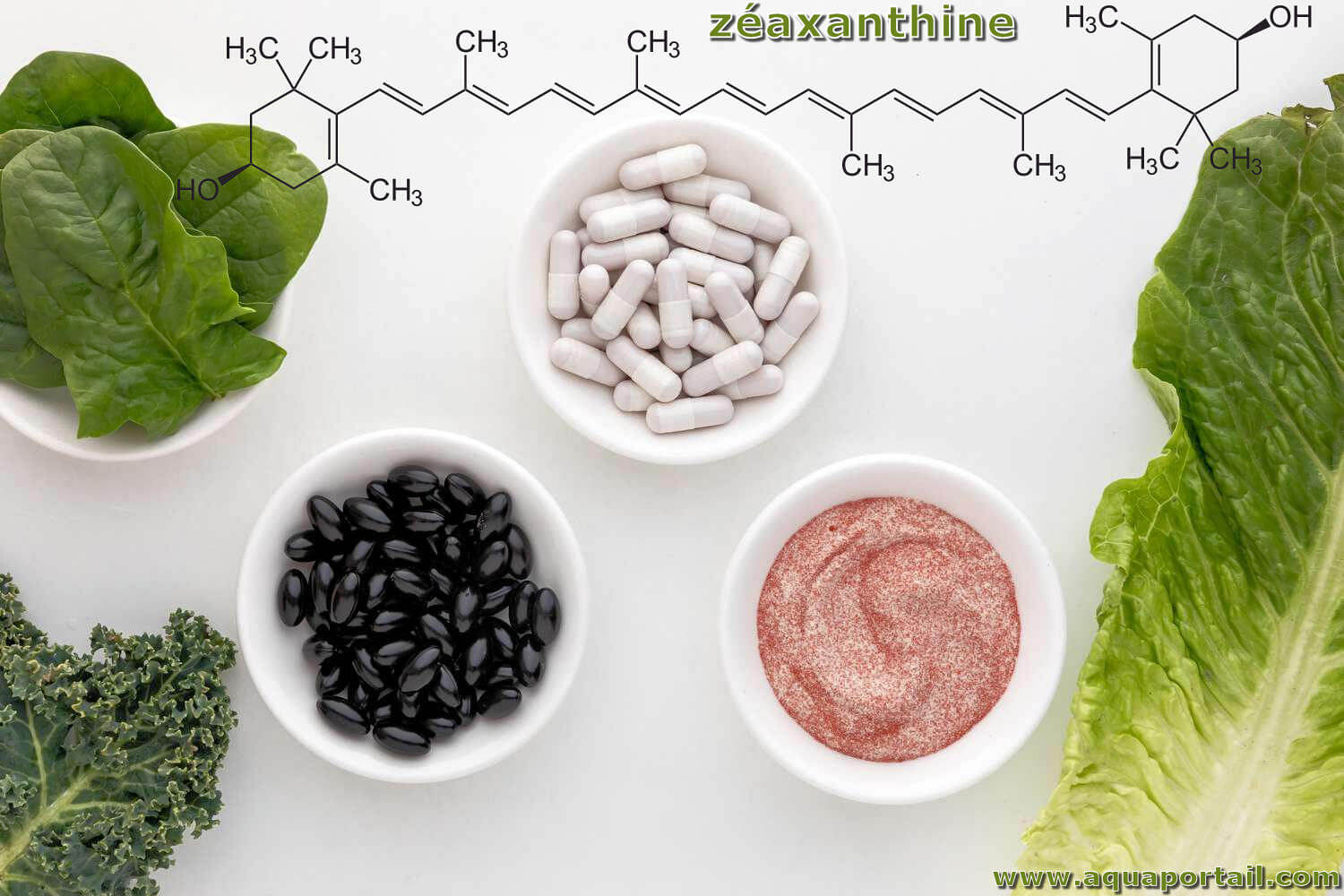
Zeaxanthin is a carotenoid pigment of certain algae such as red algae, cryptophytes, and others.
ZEOvit method
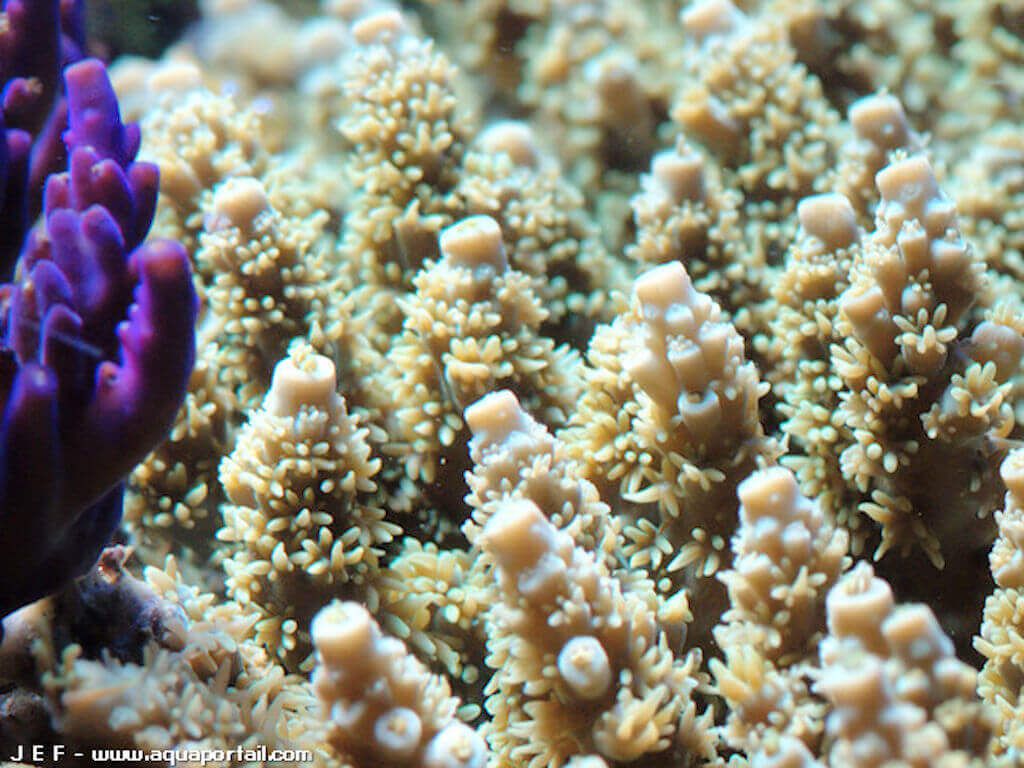
In marine aquariology, the ZEOvit method is a form of saltwater aquarium management aimed at enhancing the coloration of stony corals, though without using...
zoanthid

A zoanthid (or zoantharian) is a small, soft-bodied anthozoan lacking a calcareous skeleton, resembling a sea anemone, either solitary or colonial.
Simple summary
A zooxanthella refers to a type of photosynthetic dinoflagellate living in symbiosis within the tissues of various marine invertebrates, notably corals. These microscopic algae play a crucial role in the marine ecosystem by supplying their host organisms with essential nutrients through photosynthesis, contributing significantly to the energy and metabolic needs of coral reefs. Their presence is vital for the health and persistence of coral reef ecosystems, as they promote coral growth and reef-building by facilitating calcium carbonate deposition.
