Starch
noun (n.)
Definition
Starch, with the chemical formula (C6H10O5)n, is a reserve carbohydrate substance in various organisms, composed of more or less branched glucan molecules. It is a storage polysaccharide formed of long chains of α-D-glucoses joined together by 1,4 linkages, except at branch points where two glucose units are linked by a 1,6 bond.There are two types of chains: amylose, which is unbranched and helical, and amylopectin, which has numerous shorter branches than the main axial chain.
Detection of starch in bread using Lugol's iodine:

The presence of starch is revealed by iodine water, a Lugol's solution, which stains it dark purple. Starch is characteristic of plants and algae, for which it serves as a carbohydrate reserve. These starch grains are very abundant in various storage organs: seeds, tubers, and bulbs.
Explanations
Starch synthesis takes place in the chloroplast stroma when photosynthetic production exceeds the plant's needs.
Two glyceraldehyde-3-phosphate molecules are converted into one glucose-1-phosphate, which binds to UTP to form UDP-glucose. This glycosylated nucleotide is the precursor of starch.
Cyanobacterial starch, or cyanophycean starch, is a polymer (branched glucan) with a structure intermediate between glycogen and amylopectin.
See also rhodamylon or extraplastidial starch, intraplastidial starch, and floridean starch.
The starch cap corresponds to each of the two more or less hemispherical starch masses covering the pyrenoid of certain green algae.
Dextrins are generally a by-product or intermediate product of other processes, such as baking or enzyme activation. The most common example of this is the crispy brown crust on top of fresh bread. The exact properties of a dextrin depend heavily on the type of starch from which it was formed, so wheat dextrin, for instance, will exhibit very different reactions and properties from corn dextrin or potato dextrin.
Wheat dextrin is a popular example and is a by-product of the process that extracts gluten proteins from wheat. Wheat starch is sprayed with an acidic solution and then suspended in water. After a period of time, the wheat starch is roasted until dry, at which point it is officially converted into dextrin and packaged ready for use!
Plastidial starch
Starch differs from glycogen in its insoluble nature. Starch polymers (amylopectin and amylose) aggregate into large insoluble granules whose number, shape, and size are genetically controlled. The morphology of such granules has been studied by electron microscopy. When observed by SEM, most granules display an ovoid shape ranging in size from 1 to 3 μm (3.9 × 10⁻⁵ to 1.2 × 10⁻⁴ in).
A few larger granules (starch grains, 3 to 5 μm or 1.2 × 10⁻⁴ to 2.0 × 10⁻⁴ in) with a more elongated shape are also observed. However, a significant number of granules exhibit a very unusual bowl-shaped cavity. By analogy with starch accumulation in Chlamydomonas reinhardtii, it is inferred that these cavities result from localized polysaccharide synthesis around the pyrenoid, a protein body composed mainly of ribulose-1,5-bisphosphate carboxylase/oxygenase (Rubisco).
Examination of cross-sections of Guillardia theta by transmission electron microscopy confirmed these hypotheses. Indeed, certain starch granules clearly associate with the intraplastidial pyrenoid on the periplastidial face of the second (outer) plastid membrane. See intraplastidial starch.
Resistant starch
Resistant starch (RS) can be considered the portion of the starch molecule with the unique property of resisting enzymatic digestion and reaching the colon unchanged or only slightly modified. For this reason, it is classified as a dietary fiber.
Today, resistant starch has gained greater importance due to its positive benefits for human health through prebiotic, laxative, cholesterol-lowering, and blood-glucose-lowering effects, as well as reducing risks of ulcerative colitis and colon cancer, in addition to its applications in improving the functional properties of foods. Consequently, studies have expanded while focusing on different perspectives of its chemistry.
Differences in formation pathways have heightened interest in the 5 distinct subgroups of resistant starch. Recently, research on resistant starch formation using different sources, alongside various methodologies that can be used to increase its content in foods, has become very popular. This overview therefore aims to provide a focused examination of the structure, properties, chemistry, and types of resistant starch.
Furthermore, processing effects and factors influencing resistant starch formation have been briefly explained, along with the experimental methods used for detecting resistant starch.
Synonyms, antonyms
Spanish translation: almidón
0 synonyms (similar meaning) for "starch".
0 antonyms (opposite meaning).
Related words and expressions to STARCH are directly connected by general or specific meaning.
The word STARCH is listed on page 1 of words starting with S in the dictionary glossary.
Related to "starch"
saccharide

A saccharide is a carbohydrate, a biomolecule composed of carbon, hydrogen, and oxygen atoms, usually with a hydrogen-to-oxygen atomic ratio of 2 :1.
sagittocyst

A sagittocyst is a capsule containing a spindle-shaped needle produced by epidermal cells of certain flatworms (acoels).
saltwater treatment
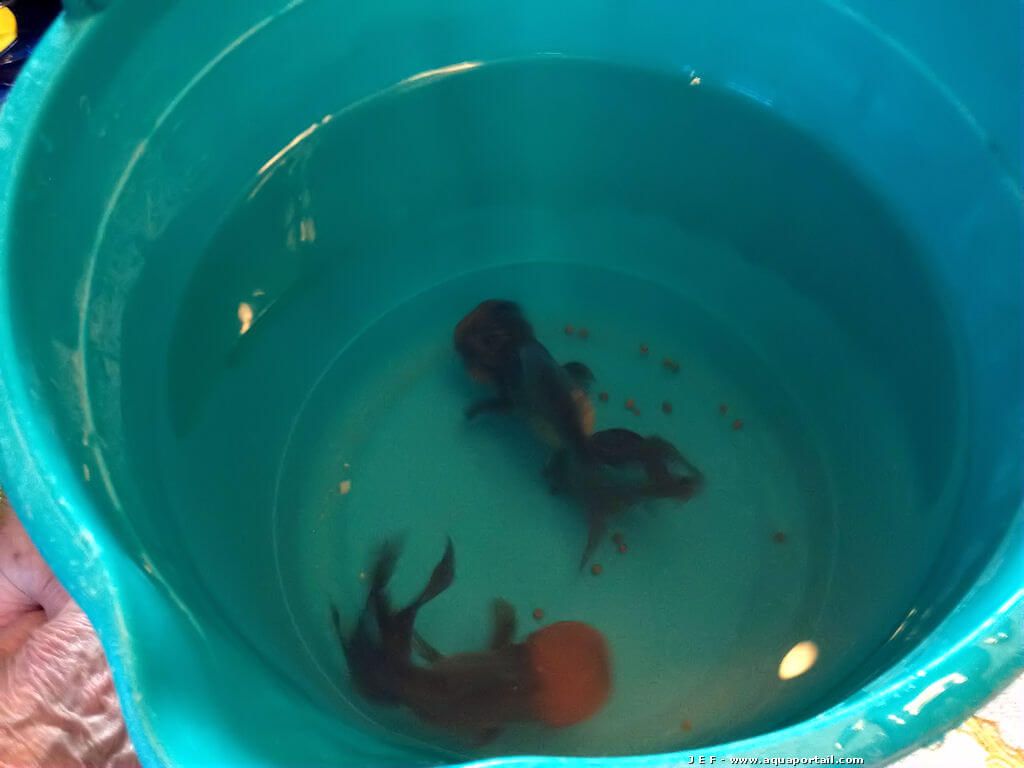
The saltwater bath method, or aquarium salt treatment, helps halt potential external infections via osmotic shock.
scale

A scale is a small, thin, horny or bony plate protecting the skin of fish and reptiles. Sets of scales generally overlap, partially covering one another...
