Spider
noun (n.)
Definition
A spider is an araneid arthropod of the class Arachnida (arachnids). Spiders are terrestrial animals equipped with chelicerae, with a body divided into two tagmata—the cephalothorax (prosoma) and the opisthosoma (abdomen)—and eight legs, lacking antennae or wings unlike insects. The two body segments are connected by a narrow cylindrical pedicel.
The Brazilian sassaby tarantula is a large spider:
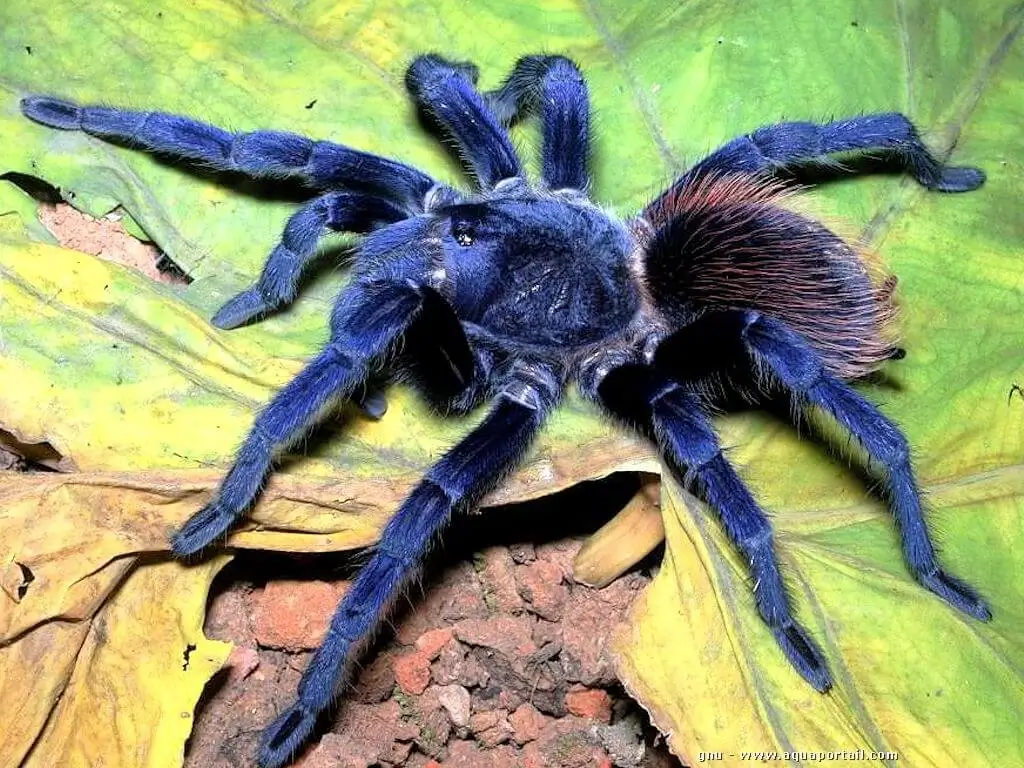
Spiders such as tarantulas are covered in hairs. The Brazilian sassaby tarantula Pterinopelma sazimai has a body length of 8 to 10 cm (3.1 to 3.9 in), but a total leg span of 20 to 25 cm (8 to 10 in). Life expectancy ranges from 4 years for a male to 20 years for a female. Spiders are oviparous terrestrial arthropods.
Explanations
There are more than 50,000 species (50,356 as of August 2022) of spiders worldwide. Only a single predominantly herbivorous spider species is known (Bagheera kiplingi), with all others being carnivorous predators.
✅ For the complex anatomy of spiders, see spider anatomy.
⭐ For marine crustaceans, see sea spider.
Indoor "house" spiders can be beneficial. If left undisturbed, spiders consume most insects inside a home, providing effective natural pest control. By keeping such populations in check, spiders can even help curb the spread of diseases transmitted by insects such as fleas, mosquitoes, and cockroaches.
One of the earliest known spider relatives on Earth was Attercopus fimbriunguis. Early spider-like arachnids with a narrow waist, abdominal segmentation, and silk-producing organs are known from fossils such as Attercopus fimbriunguis (extinct order Uraraneida), which lived roughly 380 million years ago during the Devonian, over 150 million years before the dinosaurs.
Taxonomy
Spiders (order Araneae) belong to the class Arachnida, which also includes scorpions, ticks, and mites, within the phylum Arthropoda.
Spiders are divided into three suborders—Mesothelae, Mygalomorphae, and Araneomorphae—and over 100 families. Mesothelae (1 family, Liphistiidae) are considered the most basal of all living spiders, based on their visible external segmentation and the position and number of spinnerets (all four pairs present, lacking a cribellum).
Mygalomorphs, recognized by chelicerae articulated parallel to the body axis (paraxial), are also regarded as primitive; they are generally stout-bodied and include trapdoor spiders and impressive tarantulas (family Theraphosidae).
Araneomorphs, the "true" modern spiders, account for over 90% of spider diversity. They are distinguished from more primitive spiders by the lateral (diaxial) articulation of their chelicerae. Paraxial and diaxial cheliceral orientations are also termed orthognathous and labidognathous, respectively. The most basal lineage of Araneomorphae is Paleocribellatae, comprising a single family, Hypochilidae, whose body plan represents a mosaic of ancestral and derived traits.
⭐ Tracing the evolutionary history of spiders, meticulous examinations of fossilized spiders preserved in Carboniferous rocks (between 318 and 299 Ma) have shown that early transitional spiders belong to the primitive yet extant suborder Mesothelae. Furthermore, researchers have observed that the modern spider groups Mygalomorphae and Araneomorphae diverged over 200 Ma around the Triassic period. The rise of dominant terrestrial carnivores across most habitable terrestrial ecosystems proved ecologically significant due to the diverse trophic strategies spiders possessed from their earliest appearance.
Diet and feeding
As in all arthropods, the mesodermal body cavities (hemocoel) for fluid transport in spiders allow the circulation of hemolymph, which nourishes and oxygenates tissues and removes waste. However, the esophagus and gut are so narrow that spiders cannot ingest solid food, even tiny particles, and must liquefy prey externally using digestive enzymes while filtering food particles through their mouthparts.
chelicerates possess only two pairs of anterior feeding appendages and lack structures homologous to the mandibles of mandibulates. The second pair of appendages in front of the mouth are called pedipalps and serve varying roles across different spider groups.
Whereas scorpion chelicerae are modest pincers used to bring food to the mouth or hold it, spider chelicerae terminate in sharp, typically venomous fangs; when not in use, they fold back into a groove lined with dense hairs that filter out solid particles. Indeed, spiders subsist exclusively on liquid or externally liquefied food. In scorpions, pedipalps take the form of large pincers for capturing and holding prey, whereas in spiders they act primarily as tactile and sensory organs whose basal segments (endites) assist in mastication; additionally, male spiders have modified the tips of their pedipalps (palpal bulbs) for sperm transfer.
Most spiders convert nitrogenous waste into uric acid, which can be excreted as a dry solid. Malpighian tubules extract these wastes from the hemolymph into the stercoral pocket, a pouch of the cloaca, from which final waste is expelled via the anus. Uric acid production and excretion via Malpighian tubules evolved independently across several arthropod lineages to conserve water and enable survival in arid environments.
Arachnid reproduction
Spiders reproduce sexually with internal yet indirect fertilization: sperm is introduced into the female's body via specialized male copulatory organs loaded from an intermediary structure. Unlike other terrestrial arthropods, male spiders do not produce internal spermatophores, but instead spin a tiny sperm web onto which semen is ejaculated and then drawn up into pipette-like structures at the tips of their pedipalps.
As soon as a male detects cues of a conspecific female nearby, compatibility checks occur prior to mating: for instance, in certain species, the male can identify the species and sex of the spider that produced a silk thread through a highly developed chemosensory sense.
Bite venom
A spider can bite using its fang-tipped chelicerae, but lacking a stinger, it does not sting.
Spider venoms are extraordinarily complex mixtures of biologically active and inactive molecules, including nucleic acids, polyamine toxins, free amino acids, monoamines, inorganic salts, proteins, peptides, and diverse enzymes (proteases, phospholipase A, ATPase, collagenase, peptide isomerase, esterase, phosphodiesterase, alkaline phosphatase, hyaluronidase).
Spider venom peptides are relatively short (ranging from 4 to 10 kDa) and cross-linked by three to seven disulfide bonds. Post-translationally modified peptides have also been described (such as O-palmitoylated PLTX-II), adding further complexity. Spider venom peptides and toxins modulate neurotransmission in both vertebrates and invertebrates by acting on various receptors, transporters, and ion channels. The vast diversity of polypeptides in spider venoms indicates that spiders have evolved combinatorial peptide libraries with varied activities (e.g., antimicrobial, cytolytic, enzymatic, neurotoxic).
Because the functional role of venom is to subdue prey or deter predators, spider venoms are naturally rich sources of (1) toxins acting on ion channels (neurotoxins) affecting specific ion conductances, (2) presynaptic toxins affecting neurotransmitter release/exocytosis, and (3) postsynaptic toxins altering neurotransmitter binding to cellular targets. Peptide activity can be strictly selective for insects or for vertebrates such as humans.
Synonyms, antonyms
Spanish translation: araña
2 synonyms (similar meaning) for "spider":
0 antonyms (opposite meaning).
Related words and expressions to SPIDER are directly connected by general or specific meaning.
The word SPIDER is listed on page 1 of words starting with S in the dictionary glossary.
Related to "spider"
arthropod
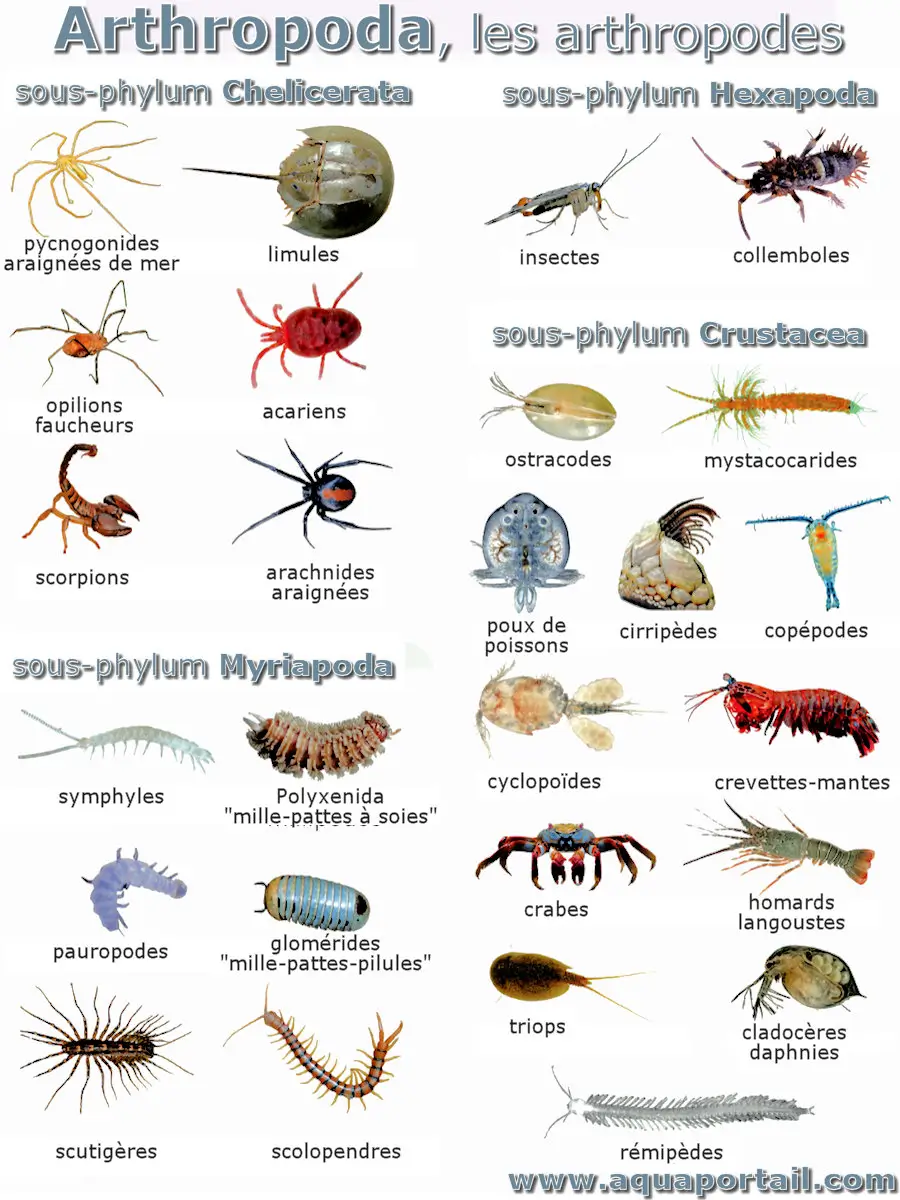
An arthropod is an invertebrate animal of the phylum Arthropoda, which is the most diverse in the animal kingdom, including insects, spiders, crustaceans...
saccharide
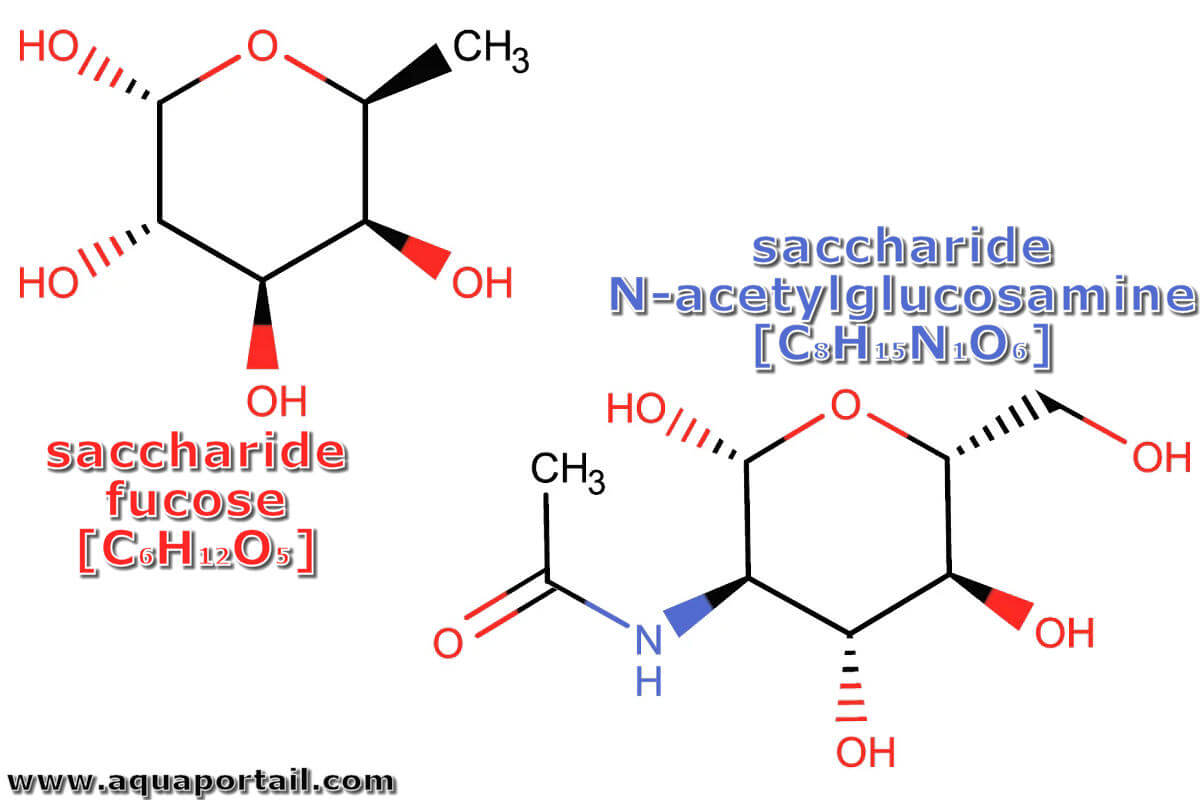
A saccharide is a carbohydrate, a biomolecule composed of carbon, hydrogen, and oxygen atoms, usually with a hydrogen-to-oxygen atomic ratio of 2 :1.
sagittocyst

A sagittocyst is a capsule containing a spindle-shaped needle produced by epidermal cells of certain flatworms (acoels).
saltwater treatment
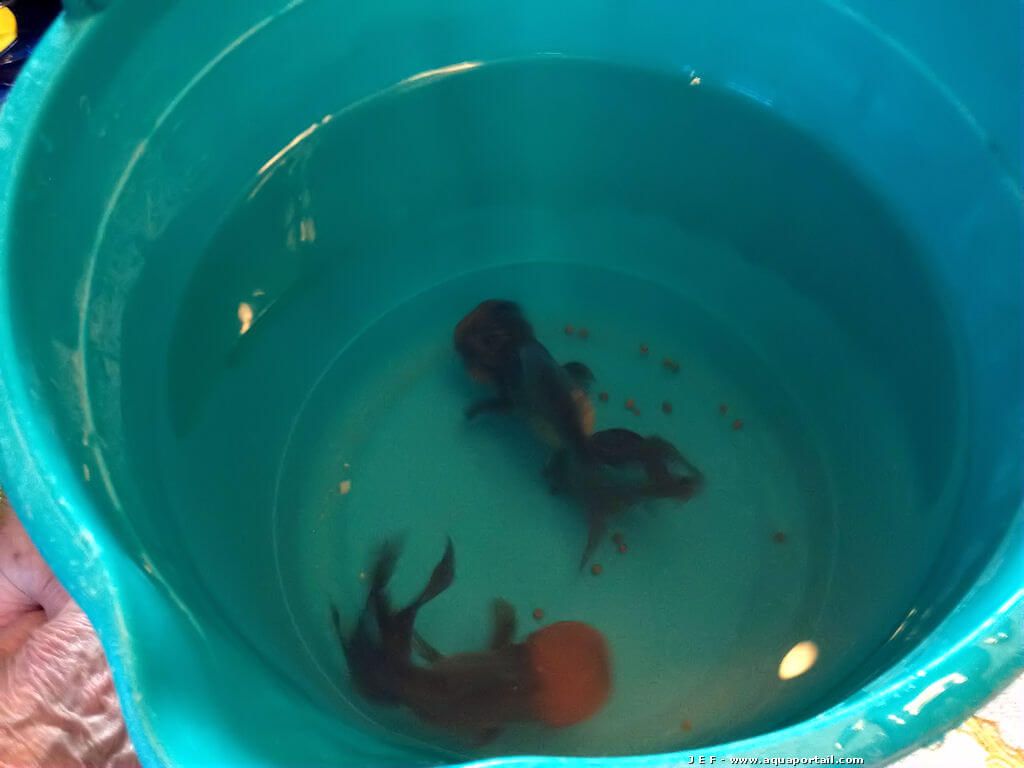
The saltwater bath method, or aquarium salt treatment, helps halt potential external infections via osmotic shock.
