Waste
noun (n.)
Definition
Waste is any product or substance that is no longer suited for the purpose for which it was intended. Waste resulting from human activities is often highly persistent and takes a long time to decompose.By contrast, in natural ecosystems, metabolic or organic wastes (such as oxygen released by photosynthesis, carbon dioxide, or dead organic matter) are reused as nutrients or reactants.
Examples of waste:

Waste refers to anything that no longer has utility or purpose and must be discarded, often taking the form of residues. Most household or industrial refuse is classified as solid waste, whether or not it is physically solid.
Explanations
Waste is defined as unwanted and unusable material and is regarded as a useless residue. Generally, it is discarded as worthless, defective, or no longer needed.
Waste resulting from the metabolism of a living organism is excreted or stored in inert form within the body as a byproduct of vital activity.
Solid waste
Solid waste refers to any garbage or refuse, sludge from a wastewater treatment plant, water supply treatment plant, or air pollution control facility, and other discarded material, including solid, liquid, semi-solid, or contained gaseous material resulting from industrial, commercial, mining, and agricultural operations, as well as community activities.
Based on this definition, examples of waste generated by veterinary clinics include, but are not limited to: animal tissues, fluids, and carcasses; animal waste; chemicals used in laboratory, cleaning, or radiographic procedures; syringes and other medical supply waste; certain pharmaceuticals, such as epinephrine and nitroglycerin; chemotherapy agents; mercury from thermometers; bulbs and batteries; pesticides; paints and other solvents.
Waste stream
A waste stream is the flow or movement of waste from its point of generation (for example, a household or veterinary clinic) to its final disposal or recovery (recycling, incineration, landfilling, etc.).
Hazardous waste
Hazardous wastes are items classified as solid wastes that are potentially dangerous or harmful to human health or the environment. Hazardous wastes are subdivided into listed, characteristic, universal, dual, and mixed wastes.
In addition to broader categories relevant to veterinary practices, dual and mixed wastes require special attention because they may be under-recognized, leading to misclassification and improper disposal. If either is generated at a facility, it is essential to ensure that a waste contractor is licensed and able to handle each component.
Universal waste
Universal wastes are hazardous solid wastes widely generated across all sectors of society. This category includes items such as batteries, certain lamps/bulbs, pesticides in specific situations, and mercury-containing equipment (for further information: 40 CFR 273).
Mixed waste
Mixed wastes are hazardous solid wastes that are also radioactive. This includes waste associated with the generation of radionuclides (radioisotopes) and their use in nuclear or veterinary medicine.
Dual waste
Dual wastes are both hazardous solid wastes and infectious or potentially infectious materials (regulated medical waste). Examples include non-empty syringes containing hazardous pharmaceutical waste with needles attached.
Agricultural solid waste
Agricultural solid wastes are a subcategory of municipal solid waste generated by livestock farming and the production or harvesting of crops or trees. This category includes animal manure, crop residues, and animal carcasses.
Synonyms, antonyms
Spanish translation: residuo, desecho
4 synonyms (similar meaning) for "waste":
- exudate
- macrowaste
- residue
- sludge
0 antonyms (opposite meaning).
Related words and expressions to WASTE are directly connected by general or specific meaning.
The word WASTE is listed on page 1 of words starting with W in the dictionary glossary.
Related to "waste"
wall

In everyday language, a wall (rampart) is an enclosed wall, a thick barrier intended for the protection and defense of a given site.
water flea

A water flea is a small marine or freshwater crustacean, classified among cladoceran branchiopods, a term applied to several species such as daphnias...
water H2O

Water (H₂O) is a colorless, tasteless, and odorless liquid that forms the oceans, lakes, rivers, and rain.
watering
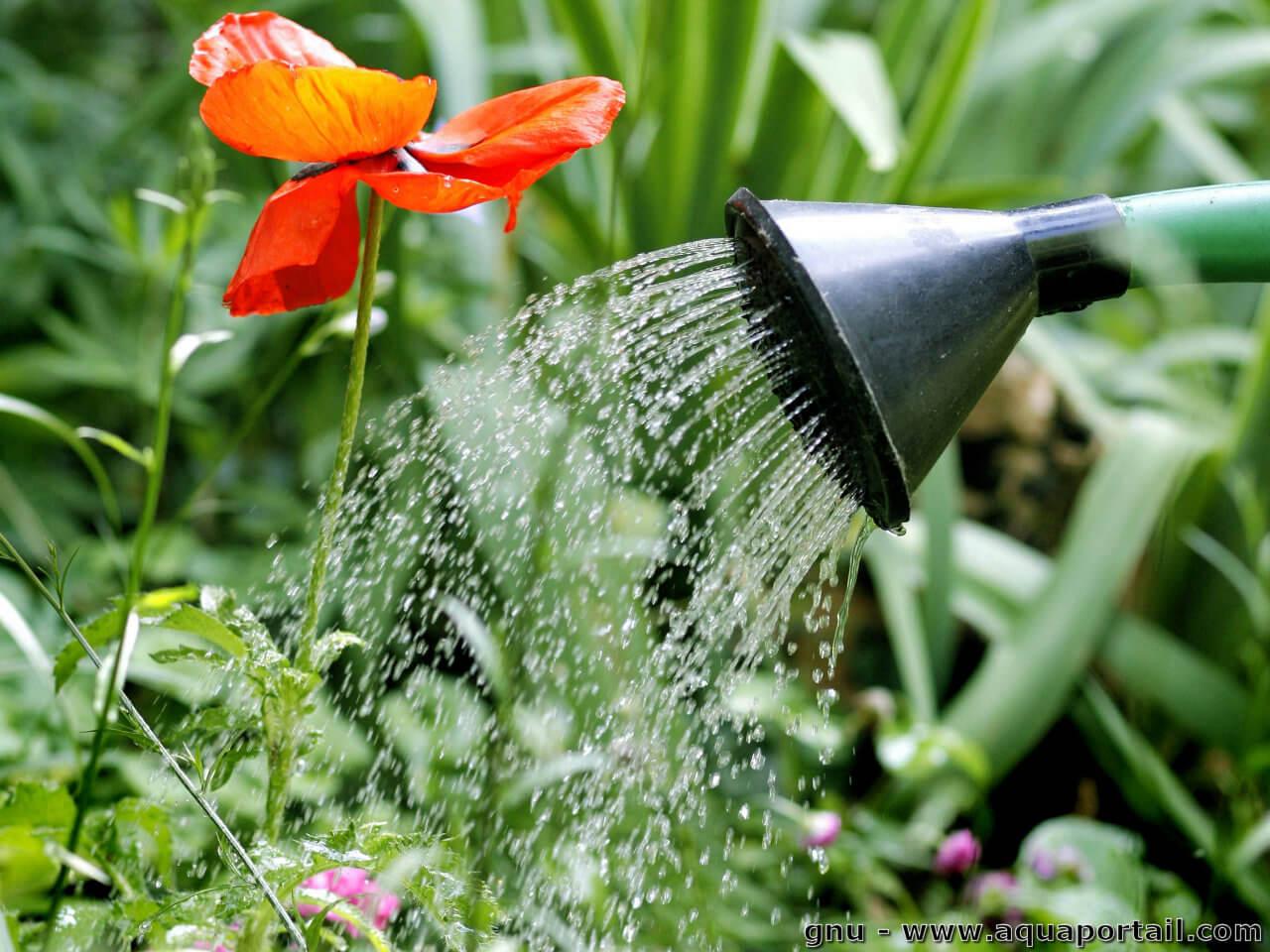
In gardening, watering is the action of watering plants to supply them with water and prevent the drying out, or even desiccation, of the plant.
