Stolon
noun (n.)
Definition
In botany, a stolon is primarily a long, branch-like stem with horizontal growth that takes root to produce new individuals. In biology, stolons are horizontal connections between organisms. They may form part of the organism itself or its skeleton; in animals, stolons are generally external skeletons.
The common reed has stolons :

The stolons of the common reed Phragmites australis allow the emergence of a new plant called an offshoot. Stolon offshoots are utilized in the propagation technique known as layering. A stolon may also be called a runner.
Explanations
Broadly speaking, stolons are creeping stems that often interconnect individuals within a single colony. Any creeping aerial stem with elongated internodes and reduced, rooting leaves may be regarded as a stolon.
Higher plants
In botany, a stolon is a lateral shoot arising from the base of the stem in certain herbaceous plants that grows horizontally relative to ground level, either epigeously (above ground) or underground. It has long internodes and short alternating nodes that generate adventitious roots. Stolons of strawberries, clovers, and spider plants are well known. Separation of these rooted segments yields new plants.
More generally in plants, stolons are creeping offshoots emerging from a parent plant on which adventitious roots form; a stolon is also a usually cylindrical structure running along the substrate or soil, bearing fronds or terminating in a bud capable of rooting.
While stolons are often subterranean, in other plants they are aerial, just above the substrate. An aerial stolon (runner) is commonly referred to as a "runner". Until the daughter plant (an offshoot separating through natural layering) develops, it is nourished by the parent plant. Once the daughter plant can synthesize its own organic compounds, the stolon dries out, rendering the daughter plant independent.
Plants bearing stolons are termed stoloniferous. A stoloniferous organism is essentially characterized by possessing stolons, whether it is an animal or a plant. rhizomes, by contrast, are root-like underground stems that can grow horizontally near the soil surface or in other subterranean orientations.
Potato stolons are modified underground shoots at the tips of which tubers form. Stolons grow outward from the below-ground portion of the stem.
Algae
In algae, the definition of stolon is used by analogy to designate thallus parts that resemble them, such as the long creeping portion of the vegetative body in caulerpas, which attaches via clusters of rhizoids and produces new upright fronds. Put another way, in an alga, the stolon is the creeping section anchored by rhizoids from which upright axes develop.
Corals
In corals, this gives rise to the Stolonifera, where the stolon is a ribbon-like or cylindrical extension of the coenenchyme that anchors the colony to the substrate and connects the polyps of stoloniferans such as Clavularia sp.
Hydroids
In hydroids, the stolon consists of a tube of living tissue, the coenosarc, enclosed within a perisarc, linking different parts of the colony together. Stolons are produced to colonize space just as in plants. They may form at various levels of the colony; at the base, for example, stolons form a network called a hydrorhiza.
Synonyms, antonyms
Spanish translation: estolón
2 synonyms (similar meaning) for "stolon":
0 antonyms (opposite meaning).
Related words and expressions to STOLON are directly connected by general or specific meaning.
The word STOLON is listed on page 1 of words starting with S in the dictionary glossary.
Related to "stolon"
stoloniferous
A stoloniferous organism is one that sends out stolons (runners), particularly among plants or octocorals (soft corals).
saccharide
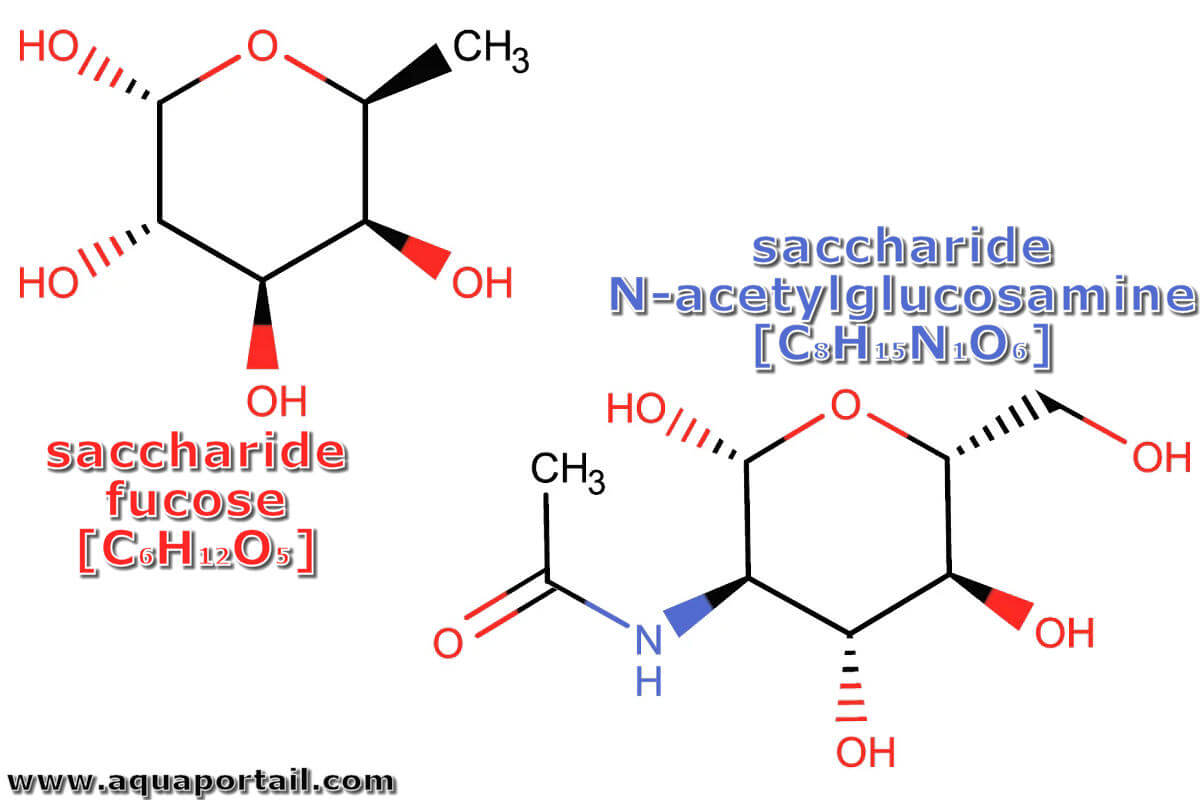
A saccharide is a carbohydrate, a biomolecule composed of carbon, hydrogen, and oxygen atoms, usually with a hydrogen-to-oxygen atomic ratio of 2 :1.
sagittocyst

A sagittocyst is a capsule containing a spindle-shaped needle produced by epidermal cells of certain flatworms (acoels).
saltwater treatment
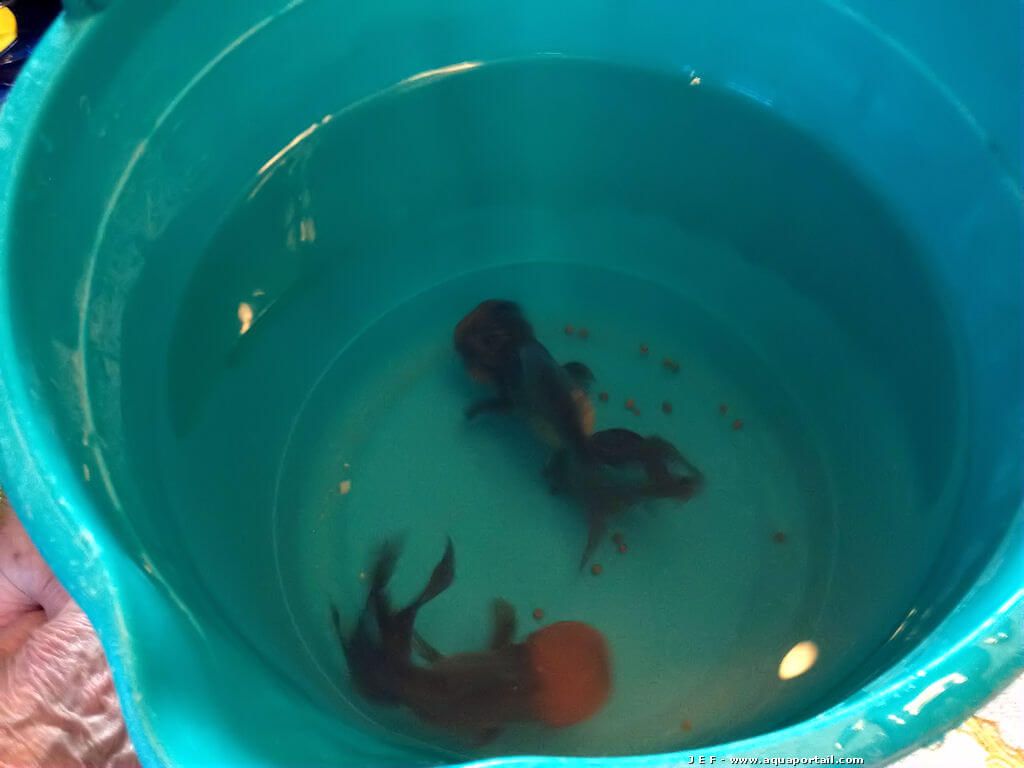
The saltwater bath method, or aquarium salt treatment, helps halt potential external infections via osmotic shock.
