Adventitious
adjective (adj.)
Definition
In plant morphology, an adventitious organ arises in an unusual place on the plant. For example, adventitious buds are known on leaves and stems, and adventitious roots on stems. Adventitious organs frequently appear following injury to the plant.
Adventitious buds on a succulent leaf:

Adventitious buds appear on a leaf of Bryophyllum daigremontianum (Kalanchoe daigremontianum) regularly from the meristem in the notches between the teeth along the serrated leaf margin. These buds have formed adventitious plantlets.
Explanations
An adventitious organ appears in an unconventional, unusual position, outside normal branching processes. Adventitious qualifies a portion of a plant, generally a shoot or root, that emerges in an unusual or even supernumerary position relative to the plant's organization.
In algae, adventitious describes a portion of thallus located in an unusual position relative to the organization of the alga under consideration.
A distinction is made between adventitious buds on roots or leaves and adventitious roots (corn, philodendron). For instance, adventitious roots and/or adventitious buds form on cuttings. An adventitious organ develops anywhere except where it normally develops through ontogeny.
An adventitious root originates directly from a stem, aerial or underground, rather than as a continuation of the primary root axis (tomato, lily).
An adventitious bud is a bud that forms elsewhere on the plant than where buds normally form, in a leaf axil or at a stem node. Adventitious buds also serve as the basis for propagation and planting using leaf cuttings, which is easily done with several living plants, including begonia Begonia, African violet Saintpaulia ionantha, peperomia Peperomia, Cape primrose Streptocarpus glandulosissimus, and gloxinia. Dividing the leaf into several pieces, each with a few leaf tips or veins, will cause new plants to grow from the edges.
Adventitious buds develop from sites other than the shoot apical meristem, which occurs at the tip of a stem, or at a shoot node in the leaf axil, where the bud was left behind during primary growth. They can develop on roots or leaves, or on shoots as new growth. Apical meristems produce one or more axillary or lateral buds at each node. When stems undergo considerable secondary growth, axillary buds may be destroyed. Adventitious buds can then develop on stems undergoing secondary growth.
Adventitious buds often form after a stem is injured or pruned. These adventitious organs help replace lost branches. Adventitious buds and shoots can also develop on the trunks of mature trees when a shaded trunk is exposed to sunlight because surrounding trees are cut down. Coast redwood trees Sequoia sempervirens frequently develop numerous adventitious buds on their lower trunks. If the main trunk dies, a new one often grows from one of the adventitious buds. Small pieces of redwood trunk are sold as souvenirs called redwood burls. They are placed in a dish of water, and the adventitious buds sprout to form shoots.
Some plants normally develop adventitious buds on their roots, which can extend quite far from the parent plant. Shoots that grow from adventitious buds on roots are called suckers. They constitute a form of natural vegetative reproduction in many species, such as many grasses, aspens, and Canada thistles. The quaking aspen Pando grew from a single trunk to 47,000 trunks through the formation of adventitious buds on a single root system.
Some leaves develop adventitious buds, which then form adventitious roots, as part of vegetative reproduction; in succulents, the adventitious plantlets then drop (propagules) from the mother plant and grow into separate clones of the parent.
coppicing (regrowth after cutting a tree down to its stump) is the practice of cutting tree stems at ground level to promote rapid growth of adventitious shoots. It is traditionally used to produce poles, fencing materials, or firewood. It is also practiced for biomass crops grown as fuel, such as poplar or willow.
Synonyms, antonyms
Spanish translation: adventicio
0 synonyms (similar meaning) for "adventitious".
0 antonyms (opposite meaning).
Related words and expressions to ADVENTITIOUS are directly connected by general or specific meaning.
The word ADVENTITIOUS is listed on page 1 of words starting with A in the dictionary glossary.
Related to "adventitious"
abiotic

In biology and ecology, abiotic refers to what is not biotic, that is, not part of living beings.
aboral

Aboral refers to what is situated away from or opposite the mouth in zoology, and especially in marine biology.
absence

Absence refers to non-presence at an expected location, or the complete non-existence of something.
acetyltransferase
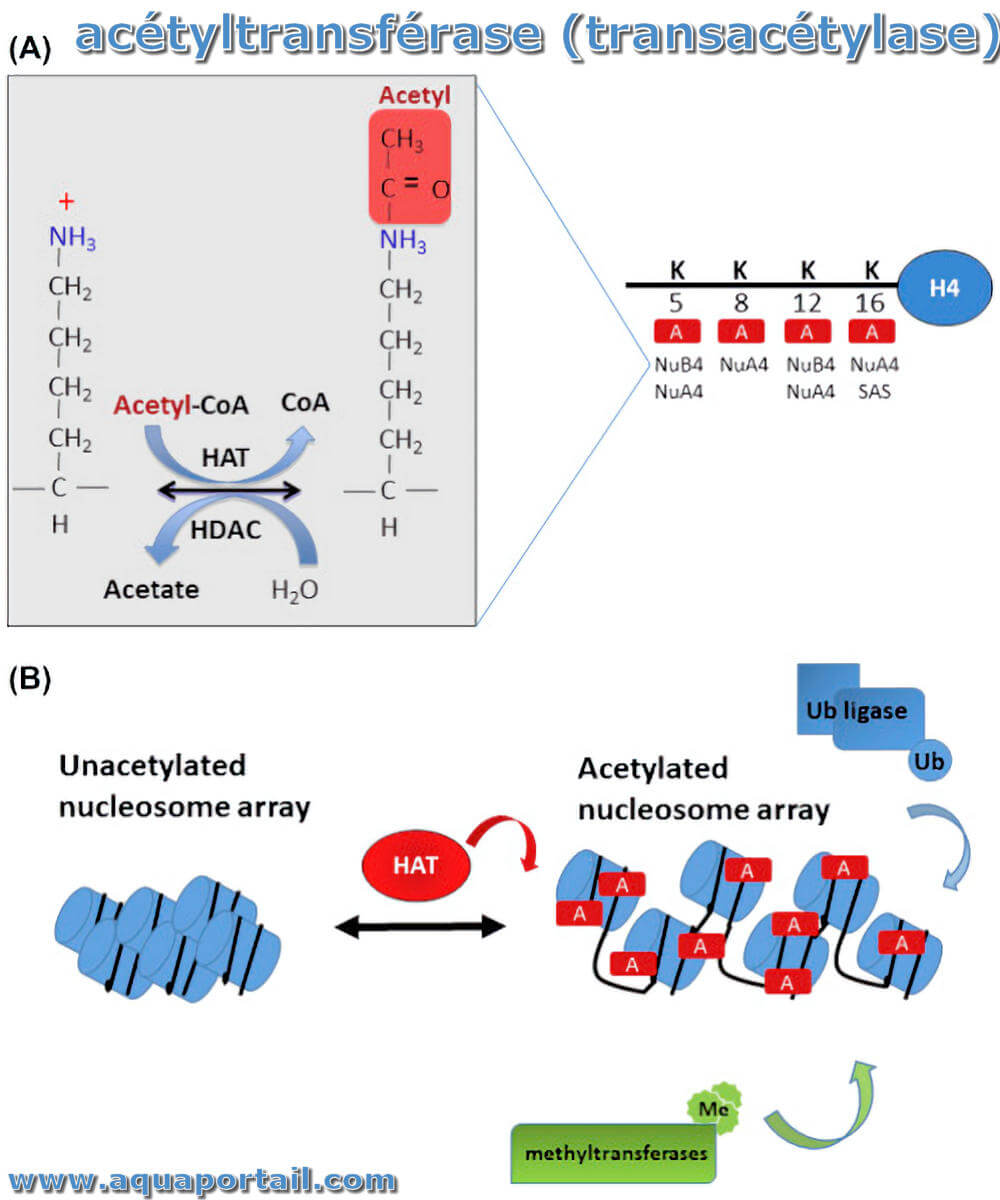
An acetyltransferase is an enzyme that transfers an acetyl group from acetyl-CoA to lysine amino acids.
