Adaptogen
noun and adjective (n. / adj.)
Definition
In botany and herbal medicine, an adaptogen is a medicinal plant that modulates nervous and endocrine functions for improved stress regulation. An adaptogenic plant is an herb that enhances the stabilization of physiological processes and promotes homeostasis, reducing cellular sensitivity to stress.
Ginseng roots yield an adaptogenic substance:
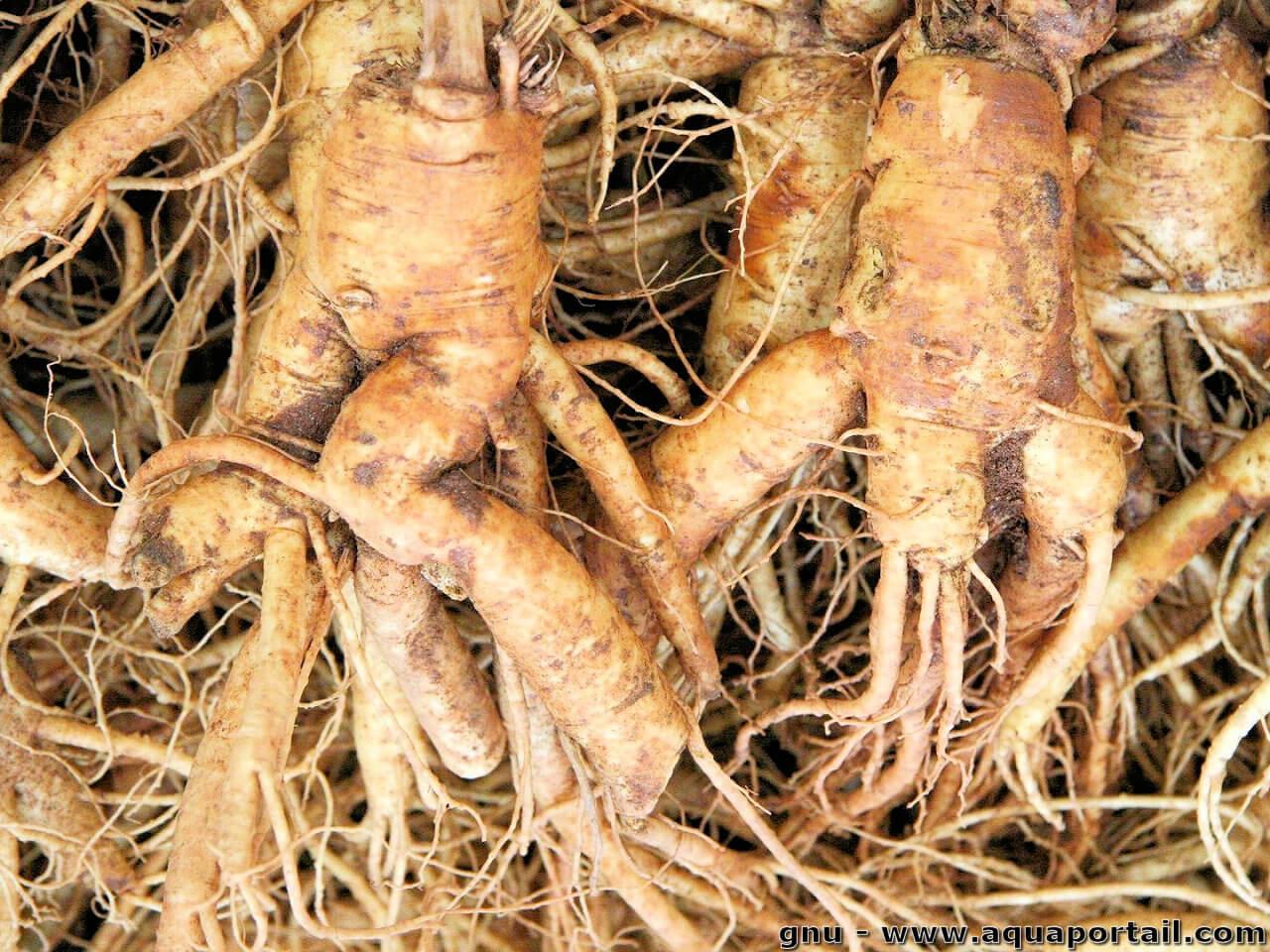
Ginseng is an adaptogenic plant believed to increase resistance to a wide range of harmful stressors across physical, chemical, and biological domains. An adaptogen acts as an anti-stress metabolic regulator.
Explanations
To be considered an adaptogen, a plant must be non-toxic, non-specific in its action, and exert a normalizing effect on physiology. An adaptogen is a naturally derived metabolic regulator that increases an organism's ability to adapt to environmental stressors and avoid damage caused by those factors.
It should be noted that adaptogenesis relies on cellular gene transcription. The action of adaptogens stems, at least in part, from effects on the sympathetic nervous system and the hypothalamic-pituitary-adrenal (HPA) axis, supporting physiological adaptation to stress and shock, such as thermal adaptation to acute stress.
Anti-stress principle
The anti-stress principle of adaptogenic plants is widely used in pharmacology (naturopathy, phytotherapy) for its therapeutic properties.
Adaptogens are studied to support a wide range of physiological conditions, from chronic fatigue to oxidative stress. The adaptogenic effect of certain herbs arises from preparations containing compounds that enhance the body's own response to oxidative stress, such as the medicinal cucurbit Gynostemma pentaphyllum (jiaogulan), which when ingested boosts endogenous antioxidant defenses via saponins and glycosides (gypenosides) present in its leaves.
List of adaptogens
Adaptogenic plants are primarily herbs or shrubs whose roots are most commonly used, along with fruits, seeds, bark, or leaves; flowers are rarely utilized. Below are several plants recognized as adaptogens:
- root of Panax ginseng, Asian ginseng;
- root of Panax quinquefolius, American ginseng;
- root of Eleutherococcus senticosus, Siberian ginseng (eleuthero);
- root of Codonopsis pilosula, poor man's ginseng (Dang Shen);
- root of Glycyrrhiza glabra, licorice;
- root of Rhaponticum carthamoides, maral root (Asteraceae);
- root of Rhodiola rosea, golden root (rhodiola);
- root of Withania somnifera, ashwagandha;
- root and stem of Tinospora cordifolia, guduchi;
- leaf of Ocimum tenuiflorum, holy basil (tulsi);
- leaf of Gynostemma pentaphyllum, jiaogulan;
- fruit of Schisandra chinensis, five-flavor berry.
Several adaptogens are fungi, used primarily for their fruiting bodies or mycelium:
- Cordyceps sinensis (Ophiocordyceps sinensis), cordyceps;
- Ganoderma lucidum, reishi mushroom.
Synonyms, antonyms
Spanish translation: adaptógeno
1 synonym (similar meaning) for "adaptogen":
0 antonyms (opposite meaning).
Related words and expressions to ADAPTOGEN are directly connected by general or specific meaning.
The word ADAPTOGEN is listed on page 1 of words starting with A in the dictionary glossary.
Related to "adaptogen"
abiotic

In biology and ecology, abiotic refers to what is not biotic, that is, not part of living beings.
aboral

Aboral refers to what is situated away from or opposite the mouth in zoology, and especially in marine biology.
absence

Absence refers to non-presence at an expected location, or the complete non-existence of something.
acetyltransferase
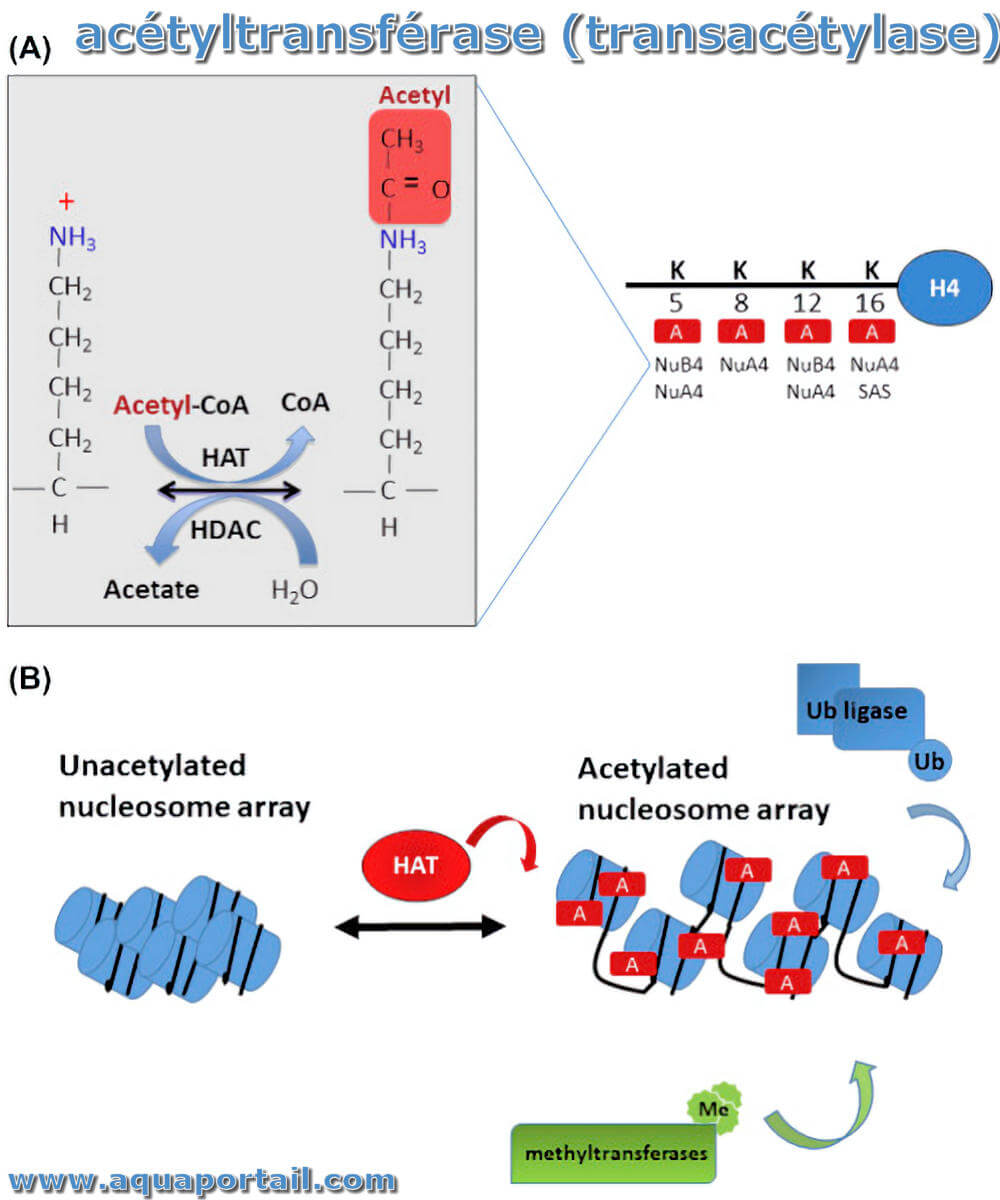
An acetyltransferase is an enzyme that transfers an acetyl group from acetyl-CoA to lysine amino acids.
