Slug
noun (n.)
Definition
Slug is the common name for various terrestrial or aquatic pulmonate gastropod mollusks that appear shell-less. Slugs represent a polyphyletic group of snails whose shell has nearly disappeared, becoming greatly reduced and virtually invisible. A juvenile slug is sometimes called a sluglet, and all slugs require moist environments to survive.A large red slug:

The large red slug Arion rufus has a long, soft, glossy orange-red body.
Explanations
Slugs play an important ecological role by feeding on decaying plant matter. Because they also consume living plants, they are frequently regarded as agricultural and garden pests.
Morphological description
The head bears two pairs of sensory tentacles: the upper pair carries eyespots for light detection, while the shorter lower pair provides the sense of smell. Both pairs serve for touch (thigmotaxis) and are retractable.
On top of the slug behind the head, a saddle-shaped structure forms the mantle (or shield), beneath which lie the genital opening for reproduction and the anus. On one side (almost always the right side) of the mantle is a respiratory opening—easy to spot when open, though hard to see when closed—known as the pneumostome.
The portion behind the mantle is called the "tail." Certain slug species bear a prominent dorsal ridge running along the middle of the tail (sometimes along its entire length, sometimes only posteriorly), known as a "keel."
The flat underside of a slug is called the "foot." Like nearly all gastropods, a slug moves by rhythmic waves of muscular contraction along the sole of its foot, which simultaneously secretes a layer of mucus over which it glides, protecting foot tissues from abrasion. Around the edge of the foot in some taxa runs a border called the "foot fringe."
Most slugs retain a vestigial shell, usually internalized beneath the mantle, which typically serves as a storage site for calcium salts in conjunction with the digestive glands.
Certain gastropods, notably shelled slugs (Testacellidae), still retain a small external relict shell visible at the rear of their body. These animals are termed semislugs (limaciform gastropods), combining a typical slug-like body with a tiny shell visible to the naked eye—generally flat rather than coiled as in true snails.
A semislug with its relict shell:

Testacella haliotidea, a shelled slug, still bears a relict shell. The shell of semislugs covers only a tiny portion of the mollusk and no longer serves a protective role.
Sea slug
In general, the term slug applies primarily to terrestrial gastropods, though certain groups of marine gastropods—notably nudibranchs and sacoglossans—are commonly called sea slugs. Other marine gastropods with reduced shells are known as sea hares.
A sea slug:

The sea slug Elysia crispata, a sacoglossan, shares a similar body plan with a land slug, yet bears prominent ruffled dorsal parapodia.
Evolutionarily, all slugs originated in marine aquatic habitats, with gills later replaced by a vascularized pallial cavity acting as a lung in terrestrial lineages. Respiration in a sea slug—via gills or across the body surface—thus differs from that of a land slug breathing through a lung.
Diet
Most slug species are omnivorous, feeding on a broad range of organic matter including living plant leaves, lichens, fungi, and even carrion. Some slugs are carnivorous predators feeding on other slugs, snails, or earthworms, while others are strictly fungivorous.
Slugs can feed on a wide variety of vegetables and herbaceous plants, including flowers such as petunias, chrysanthemums, daisies, lilies, daffodils, narcissi, gentians, primroses, tuberous begonias, roses, hollyhocks, and irises, as well as fruits like strawberries. They also feed on carrots, peas, apples, and cabbages when offered as a primary food source.
Reproduction
All slugs are hermaphroditic, possessing both male and female reproductive organs simultaneously, and reproduce through reciprocal mating.
Mating of two slugs for reproduction:

Two large red slugs Arion rufus reproduce by mutual copulation, each acting simultaneously as male and female. The reproductive organs are clearly visible during mating.
When a slug finds a mate, they encircle one another and exchange sperm via their everted genital organs. A few days later, the slugs lay roughly thirty eggs in a cavity in the soil or beneath a sheltered object away from light.
Synonyms, antonyms
Spanish translation: babosa
3 synonyms (similar meaning) for "slug":
- nudibranch
- sea slug
- sluglet
0 antonyms (opposite meaning).
Related words and expressions to SLUG are directly connected by general or specific meaning.
The word SLUG is listed on page 1 of words starting with S in the dictionary glossary.
Related to "slug"
saccharide
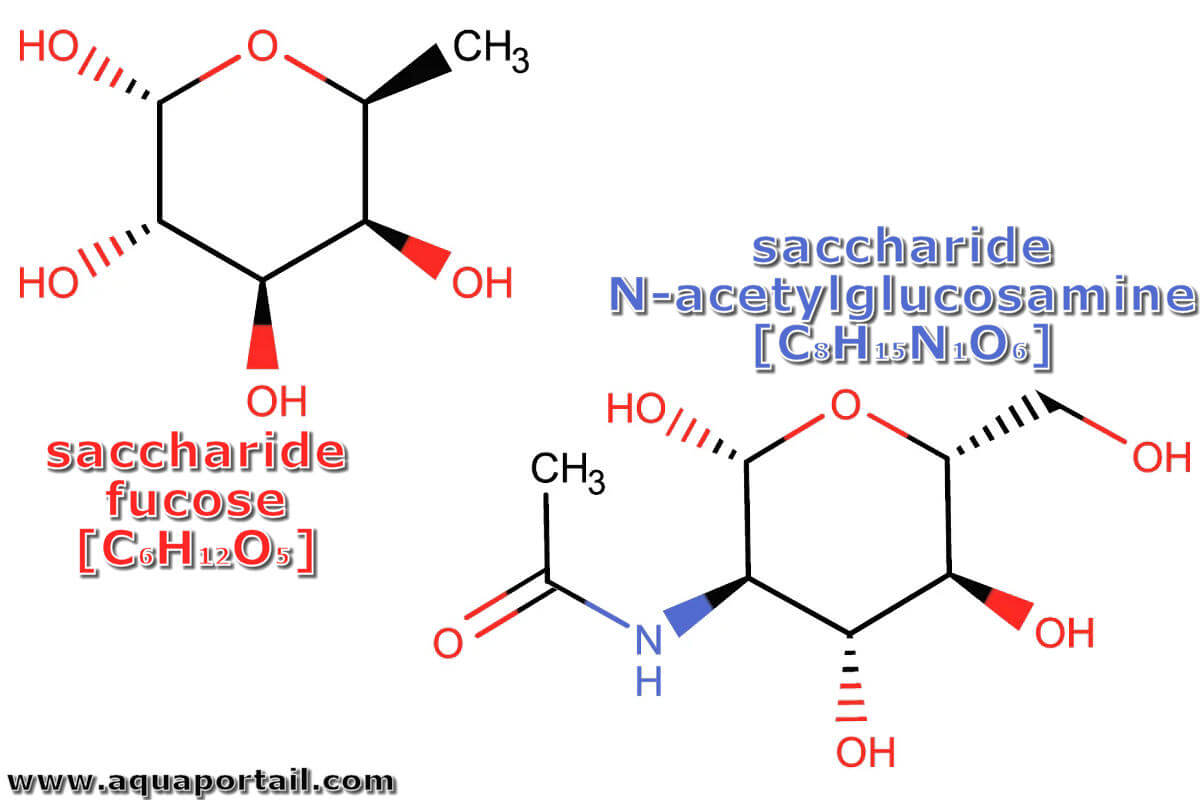
A saccharide is a carbohydrate, a biomolecule composed of carbon, hydrogen, and oxygen atoms, usually with a hydrogen-to-oxygen atomic ratio of 2 :1.
sagittocyst

A sagittocyst is a capsule containing a spindle-shaped needle produced by epidermal cells of certain flatworms (acoels).
saltwater treatment
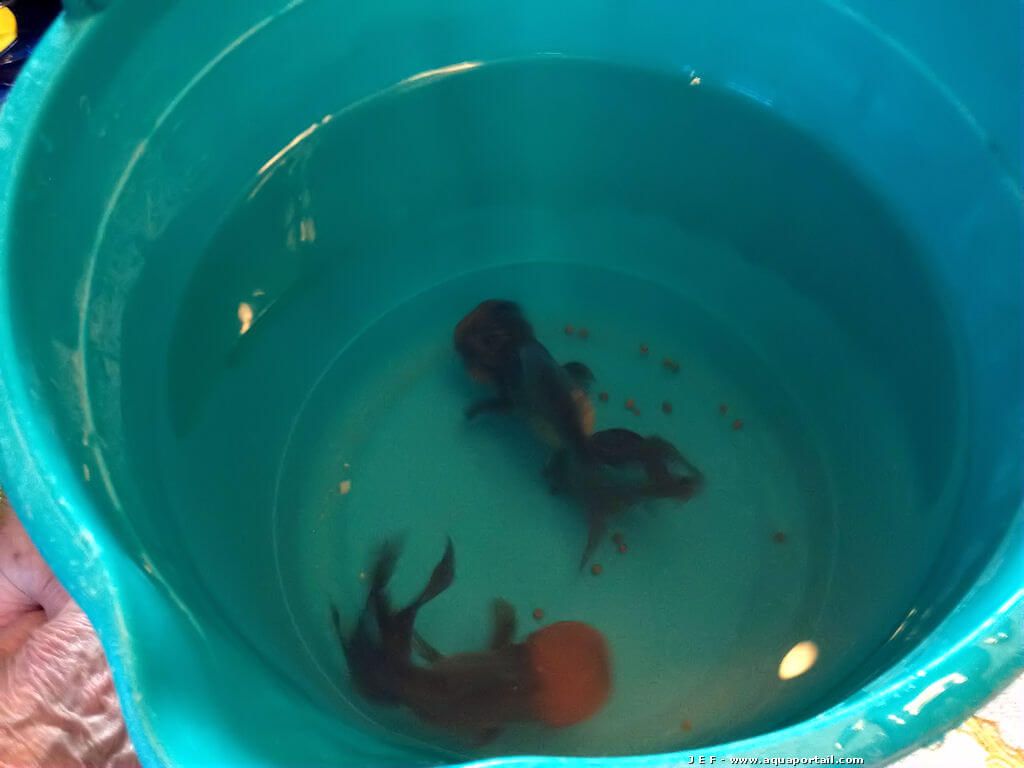
The saltwater bath method, or aquarium salt treatment, helps halt potential external infections via osmotic shock.
scale

A scale is a small, thin, horny or bony plate protecting the skin of fish and reptiles. Sets of scales generally overlap, partially covering one another...
