Contraction
noun (n.)
Definition
A contraction is the process of becoming smaller. A contraction is the process by which a contractile muscle becomes or is shortened and tightened. For example, neurons control muscle contraction.
Types of muscle contractions:

Three types of contractions are distinguished for muscles: isometric, isotonic (concentric), and anisotonic (eccentric) contraction.
Explanations
The term contraction has many definitions, yet all of them (muscle contraction, uterine contractions, grammatical contraction, etc.) consist of a reduction of something. For example, peristalsis is a contraction producing movement.
Muscle contraction
Muscle contraction is the tightening, shortening, or lengthening of muscles when muscular activity is required. This can happen when holding or picking up something, or while exercising with weights. Muscle contraction is often followed by muscle relaxation, when contracted muscles return to their normal state.
The process of muscle contraction takes place in several key steps, notably:
- depolarization and release of calcium ions;
- formation of actin and myosin cross-bridges;
- sliding filament mechanism of actin and myosin;
- shortening of the sarcomere (muscle contraction).
A muscle contraction is triggered when an action potential travels along nerves to the muscles. Muscle contraction begins when the nervous system generates a signal. The signal, an impulse called an action potential, travels through a type of nerve cell called a motor neuron.
Concentric muscle contractions (shortening contractions) are generally used to generate movement, whereas eccentric muscle contractions (lengthening contractions) are used to resist or slow down movement, and isometric contractions are used to provide shock absorption and maintain stability.
A concentric contraction is a type of muscle contraction in which muscles shorten while generating force, overcoming resistance. For example, when lifting a heavy weight, a concentric contraction of the biceps would cause flexion of the arm at the elbow, lifting the weight toward the shoulder.
There are 2 types of isotonic contractions: concentric and eccentric. In a concentric contraction, muscle tension increases to meet resistance and then remains steady as the muscle shortens. During an eccentric contraction, the muscle lengthens as the resistance becomes greater than the force produced by the muscle.
Uterine contractions
Uterine contractions are a shortening of the uterine muscles occurring at regular intervals before and during childbirth.
A uterine contraction is the movement of muscles so that, during pregnancy, the baby can exit the mother's womb. The muscles move involuntarily, causing pain and discomfort, yet this is what "pushes" the baby out of the mother's body.
Grammatical contraction
Contractions, also called "short forms," are words shortened by elision. More specifically, a contraction occurs when two words are shortened and combined to form a new word.
When two words are combined, certain letters disappear. There is a reduction or merging of two vowels or two syllables into one. Grammatical contraction simplifies pronunciation by reducing (dropping or shortening) the sounds attached to a group of words.
Contractions sometimes give rise to neologisms. For example, a nonversation (non + conversation) is a conversation devoid of meaning and depth.
Most contractions used in French result from the alteration of a Latin word.
Text condensation ("contraction de texte") is an academic exercise consisting of summarizing a text, involving a reformulation of words.
Example with the word "inforkéologie"
Inforkéologie ("inforkhaeology"), a contraction of the two terms informatique (computing) and archéologie (archaeology), is a neologism referring to the use of old computer technologies, particularly outdated, obsolete programming languages or ones that never truly caught on.
The spelling "inforchéologie" evolved into "inforkéologie" for internationalization reasons.
Any use of computer technologies several decades old—like a form of computer prehistory—that is no longer maintained falls under inforkhaeology.
Synonyms, antonyms
Spanish translation: contracción
10 synonyms (similar meaning) for "contraction":
- convulsion
- decline
- decrease
- diminution
- myoclonus
- narrowing
- reduction
- sagging
- spasm
- tension
7 antonyms (opposite meaning):
- expansion
- growth
- loosening
- relaxation
- release
- slackening
- unwinding
Related words and expressions to CONTRACTION are directly connected by general or specific meaning.
The word CONTRACTION is listed on page 1 of words starting with C in the dictionary glossary.
Related to "contraction"
flexion

Flexion is the act of bending or the condition of being bent, particularly the bending of a limb or joint.
apical growth
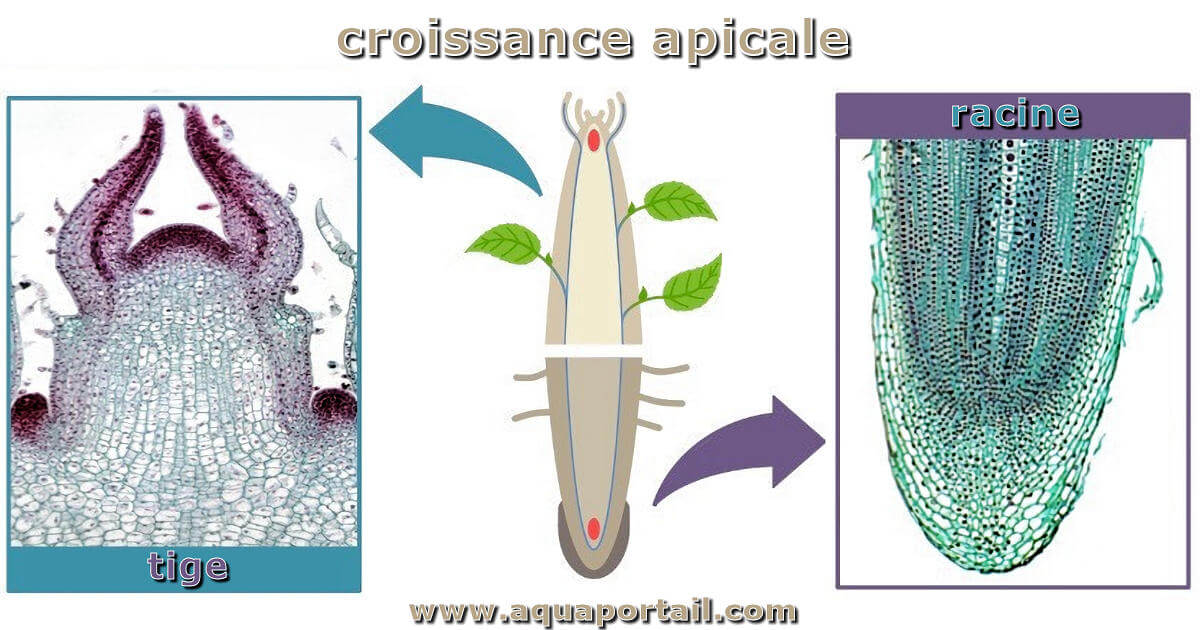
Apical growth is a mode of growth localized at the apex of an organism or organ, resulting from successive divisions of one or more apical initials or from...
growth zone
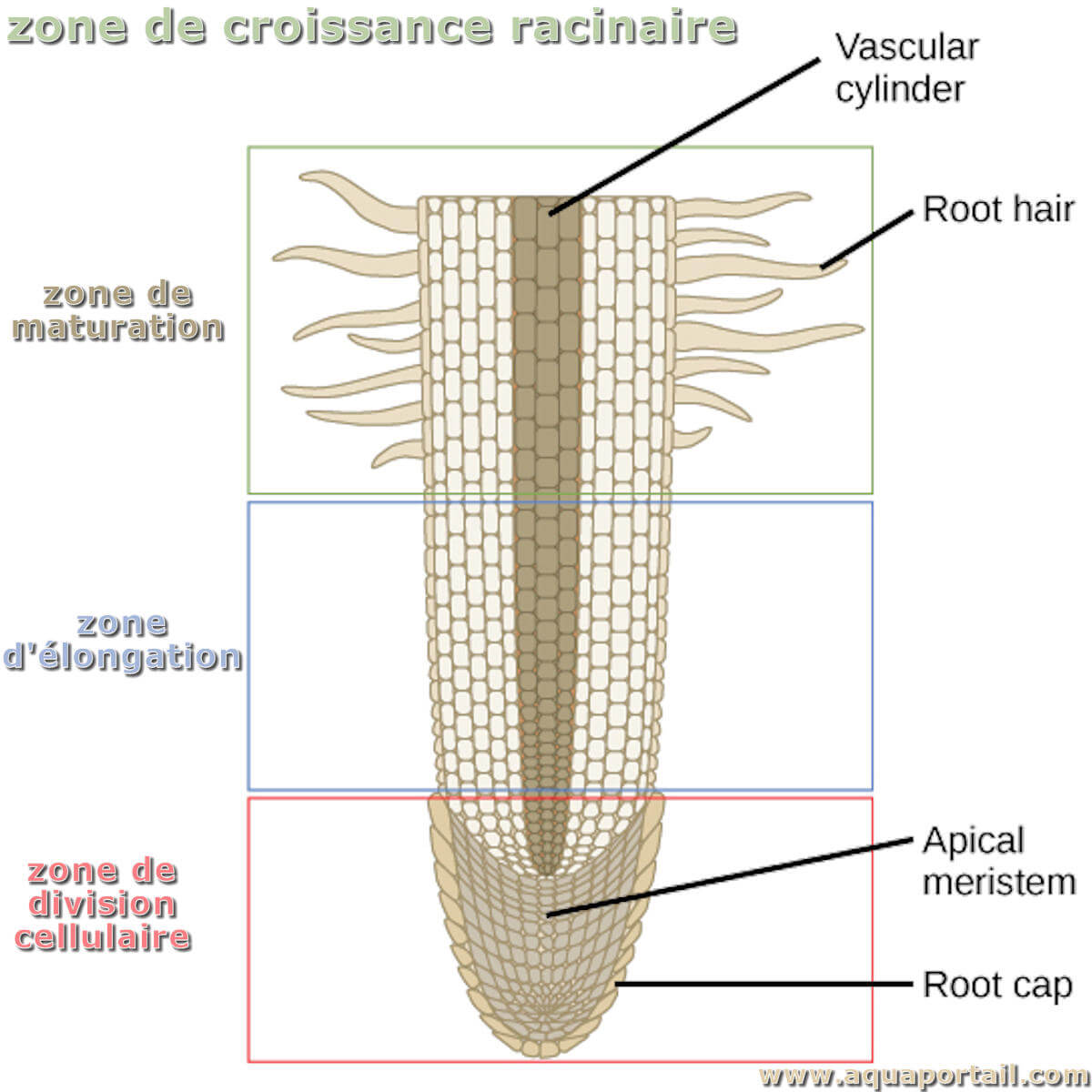
A growth zone, in biology, is a region where tissues grow through cell division and/or an increase in the size of these cells.
selection

Selection, in breeding or cultivation, is a selective breeding (or planting) program in which only individuals or families meeting predetermined phenotypic...
