Mucus
noun (n.)
Definition
Mucus is a viscous, aqueous organic secretion produced by mucous glands throughout the body, contributing to lubrication and protection. It is often observed as a slimy layer.Mucus (in pinkish) :
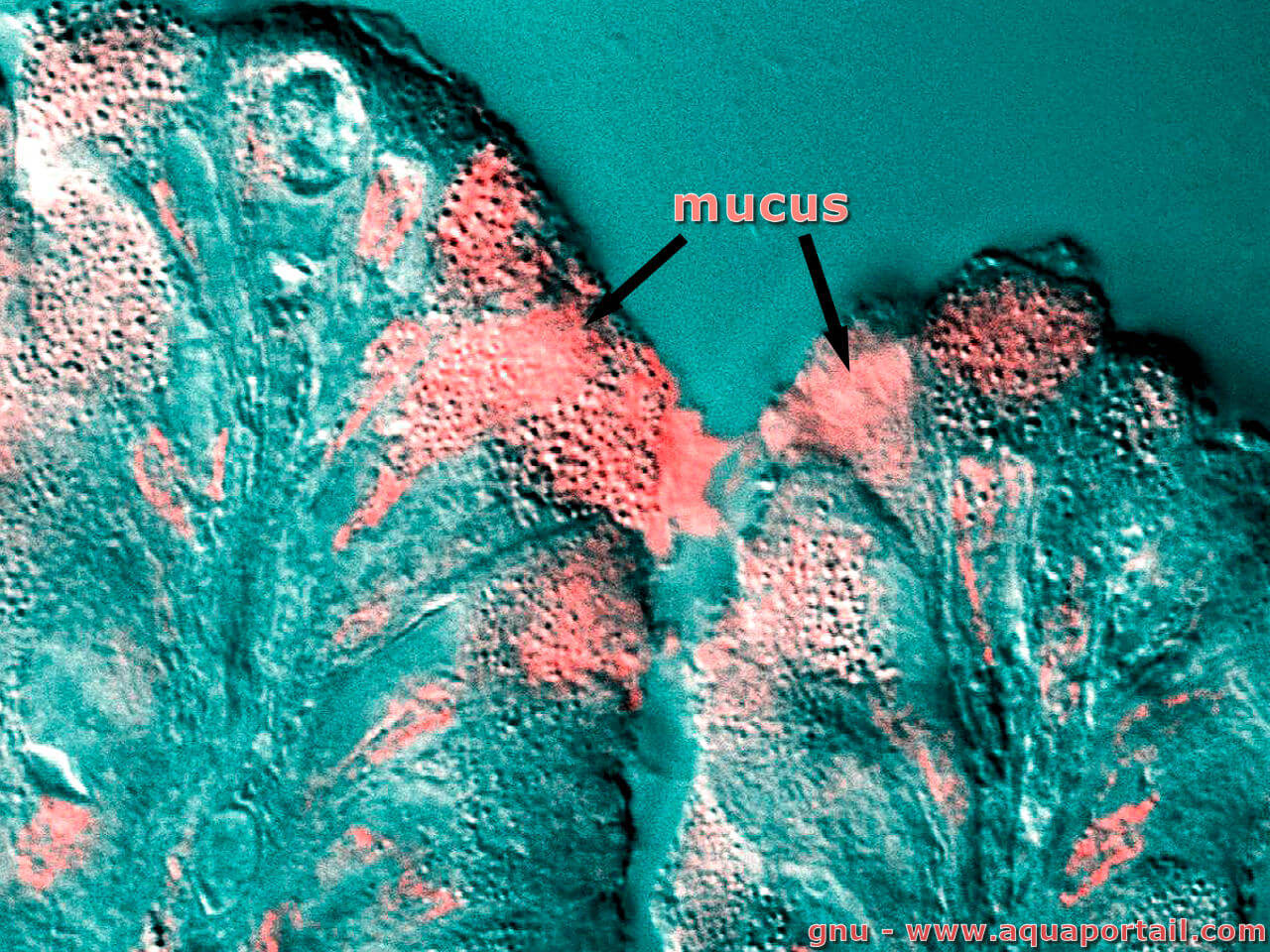
Mucous cells of the stomach secrete mucus (pinkish). They form a viscous layer. Most of the mucus in an animal's body is produced within the gastrointestinal tract.
Explanations
Mucus is a slippery fluid produced by animals to lubricate or protect delicate surfaces of the body. It is also a viscous substance secreted by skin glands. It may likewise be used to envelop and encapsulate unwanted foreign objects. The primary structural components of mucus are mucins.
Mucus originating from epithelial mucous glands is generally used to protect the organ surface from desiccation, foreign particles, or abrasion.
Mucus, a substance secreted by mucous membranes, contains a mixture of mucopolysaccharides and glycoproteins, along with other carbohydrate and non-carbohydrate substances.
Mucus plays a major role in defending organisms against bacterial infections and fungal or mold attacks. The hypothesis that skin viscosity facilitates movement through a liquid medium is inaccurate: rather, mucus eases the sliding of scales over one another as the fish undulates its body while swimming.
In fluid physics, particularly rheology, mucus behaves as a typical non-Newtonian fluid (like a slurry) with gel-like properties that can be "liquefied" by vigorous agitation.
✅ Bacterial biofilms sometimes appear in the form of mucus.
⭐ Plants produce a mucus-like substance called mucilage. Mucilage is also produced by certain microorganisms.
In humans
Mucus, as a sticky substance, coats the epithelium as an organ-specific protective lining. The thickness of mucus in healthy individuals varies by organ, excluding the eye, between 200 and 500 µm.
Mucus performs distinct protective functions across different mucous membranes:
- The nasal mucosa produces nasal secretions used to trap airborne dust, humidify inhaled air, and recover moisture from exhaled air.
- Oral mucosa / saliva: binding site for bacteria, enzymatic cleavage of polysaccharides, moistening of chyme.
- The gastric mucosa protects against stomach acid.
- The intestinal mucosa of the large intestine is in close contact with gut flora. Mucus is a vital component of the intestinal barrier function, preventing strong immune reactions against gut flora and lubricating intestinal contents during transport and excretion.
- The vaginal endometrium.
- The eyes: lubricating eye movement, coating, transporting, trapping, and clearing dust and foreign bodies.
In animals
In fish, scales are coated with mucus by mucous glands, limiting the entry of disease-causing microorganisms. Mucus is also produced in fish to line their gills.
The mucous secretion (slime) of nudibranchs, hagfishes, slugs, and land snails serves to protect them and help them adhere to smooth surfaces.
✅ Tapirage consists of harvesting the skin mucus of poison dart frogs (most commonly) and rubbing it onto the skin of young parrots where tail feathers have been plucked. The resulting toxin-induced epidermal reaction triggers the regrowth of abnormally brightly colored feathers (far more vivid than natural plumage), prized for making ornaments. Tapirage denotes the practice and outcome of treating a parrot with toxic frog mucus such as that of Dendrobates to induce brightly colored feather regrowth.
One frog is known as the "dyeing dart frog": Dendrobates tinctorius.
Synonyms, antonyms
French translation:
mucusSpanish translation: moco
5 synonyms (similar meaning) for "mucus":
- mucilage
- mucosity
- mucous secretion
- phlegm
- slimy layer
0 antonyms (opposite meaning).
Related words and expressions to MUCUS are directly connected by general or specific meaning.
The word MUCUS is listed on page 1 of words starting with M in the dictionary glossary.
Related to "mucus"
madrepore

A madrepore (Madrepora) is a marine animal of the group of scleractinian corals possessing an external skeleton, typically an acropora and encompassing...
mangrove

A mangrove is a coastal salt-marsh biotic zone comprising specific plants, mangrove trees, and plant associations that grow in the intertidal zone...
manure
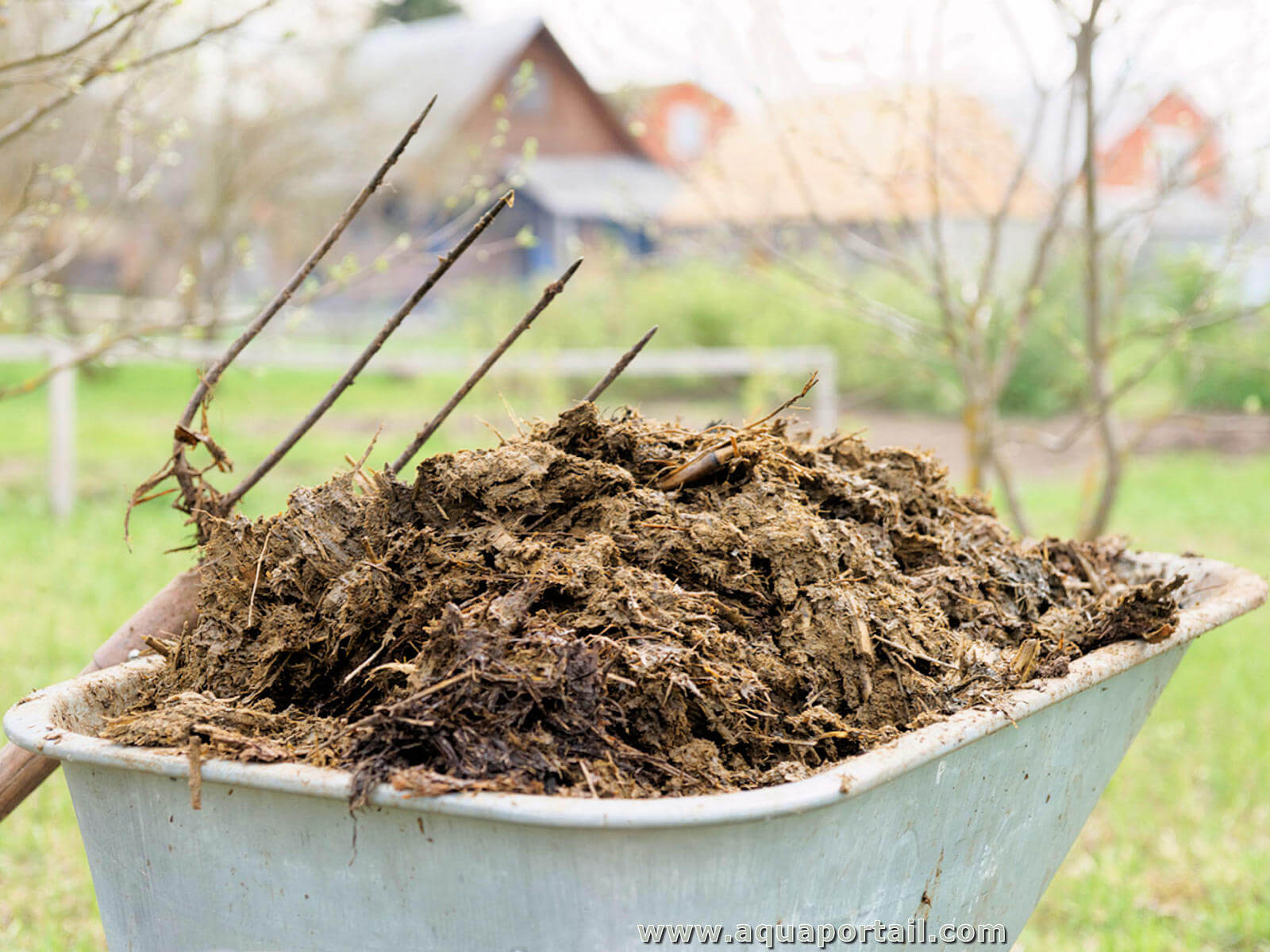
Manure is a mixture of animal droppings and plant bedding used to fertilize land. Manuring consists of applying manure to cultivated soil by spreading.
maxilliped
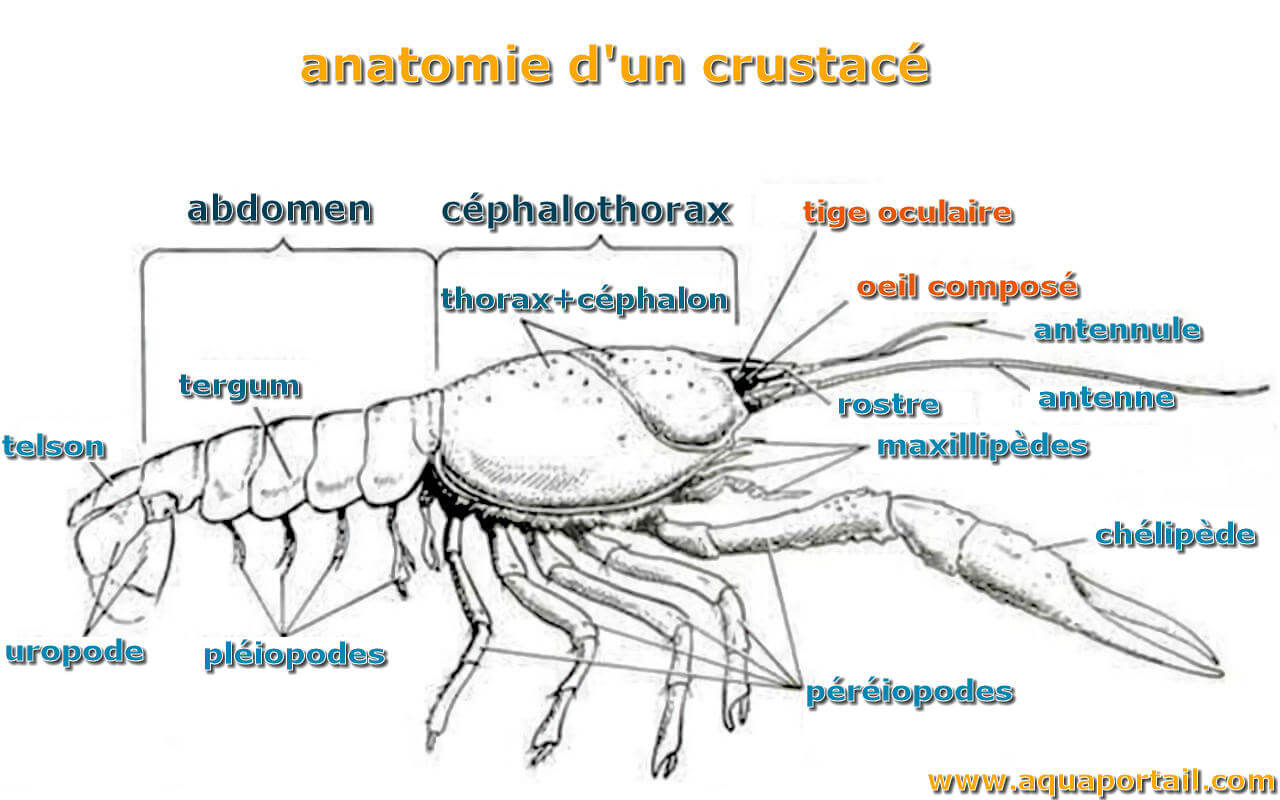
A maxilliped (or jaw-foot) is one of the thoracic feeding appendages of certain crustaceans located behind the maxillae, used in feeding.
