Monkey
noun (n.)
Definition
A monkey is a non-human simian primate of the infraorder Simiiformes. A simian is a mammal of the suborder Anthropoidea that includes monkeys, apes, and humans. Most are arboreal quadrupeds-quadrumanes, and a few are bipeds.
A monkey (Macaca nigra):
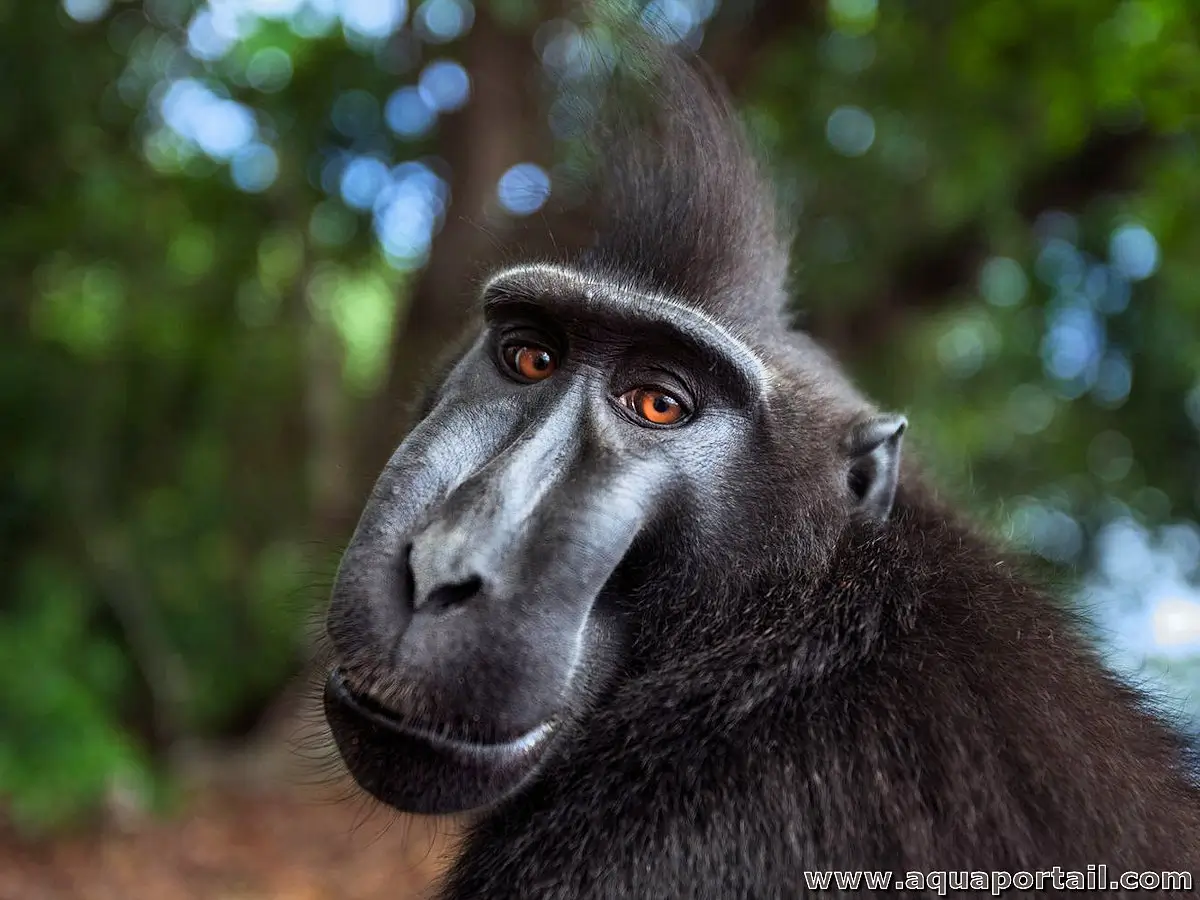
Macaca nigra is a monkey commonly called the Celebes crested macaque.
Explanations
Monkeys are small to medium-sized primates that generally have a long tail, with most species living in the trees of tropical countries. Nearly 300 (295) living species are included in the group of animals called simians.
Simiiformes comprises two groups: Platyrrhines (Platyrrhini: New World monkeys of Central and South America) and Catarrhines (Catarrhini: Old World monkeys and apes of tropical Africa and Asia). Hominoidea (Catarrhines) are called "apes," including the species Homo sapiens.
Some well-known simian names include: chimpanzees, bonobos, gorillas, orangutans, baboons, colobus monkeys, capuchins, marmosets, macaques, proboscis monkeys, gibbons, guenons, etc.
The female of certain simians (chimpanzees, bonobos, guenons) is called a she-monkey (in French, guenon), and their young are called infants or juveniles. A baby gorilla is an infant gorilla. More generally, baby monkeys are called "young" or sometimes "infants," just as in humans.
Proboscis monkey (Nasalis larvatus):

The proboscis monkey Nasalis larvatus is a monkey identified by its prominent nose (proboscis).
The emergence of simians (also called anthropoids) from the prosimian stock occurred at the beginning of the Cenozoic era. The earliest simian fossils date back about 30 million years and include New World and Old World monkeys and apes.
Monkeys (and humans) spend a large part of the day interacting with their conspecifics. The brain of these species devotes a proportionally large share of its territory to social communication. Social communication in monkeys (and primates more generally) is multisensory, meaning they receive information about the internal state of others from multiple sensory modalities. Two major social cues are visual information from the interaction partner's face and auditory information from its voice.
Closeness to humans
Apes and monkeys are humans' closest living relatives. In fact, humans are biologically simian primates; humans share about 98% of their DNA with chimpanzees. Non-human hominoids are divided into two groups: the great apes (gorillas, bonobos, chimpanzees, and orangutans) and gibbons, known as "lesser apes."
Characteristics
Most species of monkeys and apes have opposable thumbs, and all have opposable big toes. Many monkey species are arboreal and spend most of their time in trees, while some live mainly on the ground. Certain monkey species native to South America have prehensile tails with which they can grasp objects.
Almost all monkey species (excluding humans) are tropical or subtropical, and nearly all are diurnal. Most species are arboreal, using all four limbs to leap from tree to tree. They can sit and stand upright. Most species run along branches rather than swinging hand-over-hand.
Monkeys are highly social omnivores (some are herbivorous), organized into troops that can number several hundred individuals LED by an older male. Sexually mature males of all species are continuously vigorous, and all non-pregnant females have a monthly menstrual cycle. Most species have a single offspring, which is raised by the mother for years.
Diet
Monkeys are famous for eating bananas, yet their diet varies considerably by species, depending on where they live and what foods are available. For example, saki monkeys can eat up to 50 species of fruit in a single day. Most monkeys are omnivorous; they eat plant-based foods, such as fruits and nuts, as well as meat, such as lizards and bird eggs.
Monkey diets can shift with the seasons. For instance, proboscis monkeys eat mainly fruits when ripe, from January to May, and more leaves from June to December. Some species have a more specialized diet. Colobus monkey species eat primarily leaves and possess a complex stomach that allows them to digest toxic foliage that other monkeys cannot.
Apes are largely herbivorous, though they may also eat small animals or insects to supplement their diet. Gibbons, for example, feed mainly on fruit, while also nibbling on leaves, flowers, and insects. Orangutans have a fruit-based diet supplemented by vegetation, invertebrates, mineral-rich soil, and small vertebrates. The chimpanzee diet consists mainly of fruit supplemented by insects, birds, and small mammals.
Differences between apes and monkeys
Apes and monkeys belong to different branches of the infraorder Simiiformes, and there are several physical differences. Apes do not have tails, whereas most monkeys do, and apes are generally larger. The nose of apes is short and broad, while that of monkeys more closely resembles a muzzle. Apes also have larger brains than monkeys, and they are capable of using tools and learning language.
✅ The smallest monkeys in the world are pygmy marmosets (Cebuella pygmaea). These tiny monkeys weigh an average of 119 grams (4.2 oz) and measure only 13.6 cm (5.4 in) long. As babies, pygmy marmosets are smaller than human fingers. They are native to the Amazon region.
Great apes
As their classification suggests, great apes are large in size, whereas monkeys are smaller. Gorillas, the largest of the primates, generally measure between 1.35 and 1.80 meters (4.4 and 5.9 ft) tall when standing upright and weigh between 90 and 220 kilograms (198 and 485 lb). Mountain gorillas are the largest and can reach 1.80 meters (5.9 ft) in height and weigh between 135 and 220 kg (298 and 485 lb).
Reproduction
Monkeys reproduce under different patterns depending on their social structure. Many monkeys breed seasonally. For example, Guianan squirrel monkeys (Saimiri sciureus), native to South America, mate between September and November and give birth between February and April, with a gestation period of 160 to 170 days. In contrast, baboons breed continuously throughout the year and give birth after a 178-day gestation.
The number of offspring a monkey has also varies. Baboons give birth to a single infant, and twins are rare. However, pygmy marmosets typically give birth to twins and can give birth to triplets.
Baby monkeys are often cared for primarily by their mothers and ride on their backs or cling to their bellies. In pair-bonded social systems, males usually help raise their offspring. Many marmosets are polyandrous, meaning one female mates with multiple males, and then some or all group members help care for the offspring.
Great apes raise offspring much like humans do. They have live births after a gestation period of about eight and a half to nine months and usually give birth to only one or two babies at a time. They also nurse their young for an extended period, like humans. Some great apes can take up to 12 to 18 years to reach full adulthood.
The lifespan of apes and monkeys varies tremendously. A baboon can live 20 to 40 years, while a pygmy marmoset lives 10 to 12 years. Individual monkeys can also defy their species' age expectations. For example, rhesus macaques typically live up to 30 years, yet the oldest rhesus macaque in captivity was 43 years old when it died at a zoo in Japan in 2021.
Number of species
The number of animals classified within the infraorder of simians (Simiiformes divided into families) is 295, distributed as follows:
- clade Platyrrhini (New World monkeys):
- Callitrichidae: marmosets and tamarins (42 species)
- Cebidae: capuchins and squirrel monkeys (14 species)
- Aotidae: night monkeys (11 species)
- Pitheciidae: titis, sakis, and uakaris (41 species)
- Atelidae: howler monkeys, spider monkeys, and woolly monkeys (24 species)
- clade Catarrhini:
- Cercopithecidae: Old World monkeys (135 species)
- Hylobatidae: gibbons ("lesser apes") (20 species)
- Hominidae: great apes (including humans, gorillas, chimpanzees, and orangutans) (8 species)
Only living, non-fossil (or extant) species are listed.
Synonyms, antonyms
French translation:
singeSpanish translation: mono
3 synonyms (similar meaning) for "monkey":
- anthropoid
- simian
- simiiform
0 antonyms (opposite meaning).
Related words and expressions to MONKEY are directly connected by general or specific meaning.
The word MONKEY is listed on page 1 of words starting with M in the dictionary glossary.
Related to "monkey"
madrepore

A madrepore (Madrepora) is a marine animal of the group of scleractinian corals possessing an external skeleton, typically an acropora and encompassing...
mangrove

A mangrove is a coastal salt-marsh biotic zone comprising specific plants, mangrove trees, and plant associations that grow in the intertidal zone...
manure

Manure is a mixture of animal droppings and plant bedding used to fertilize land. Manuring consists of applying manure to cultivated soil by spreading.
maxilliped
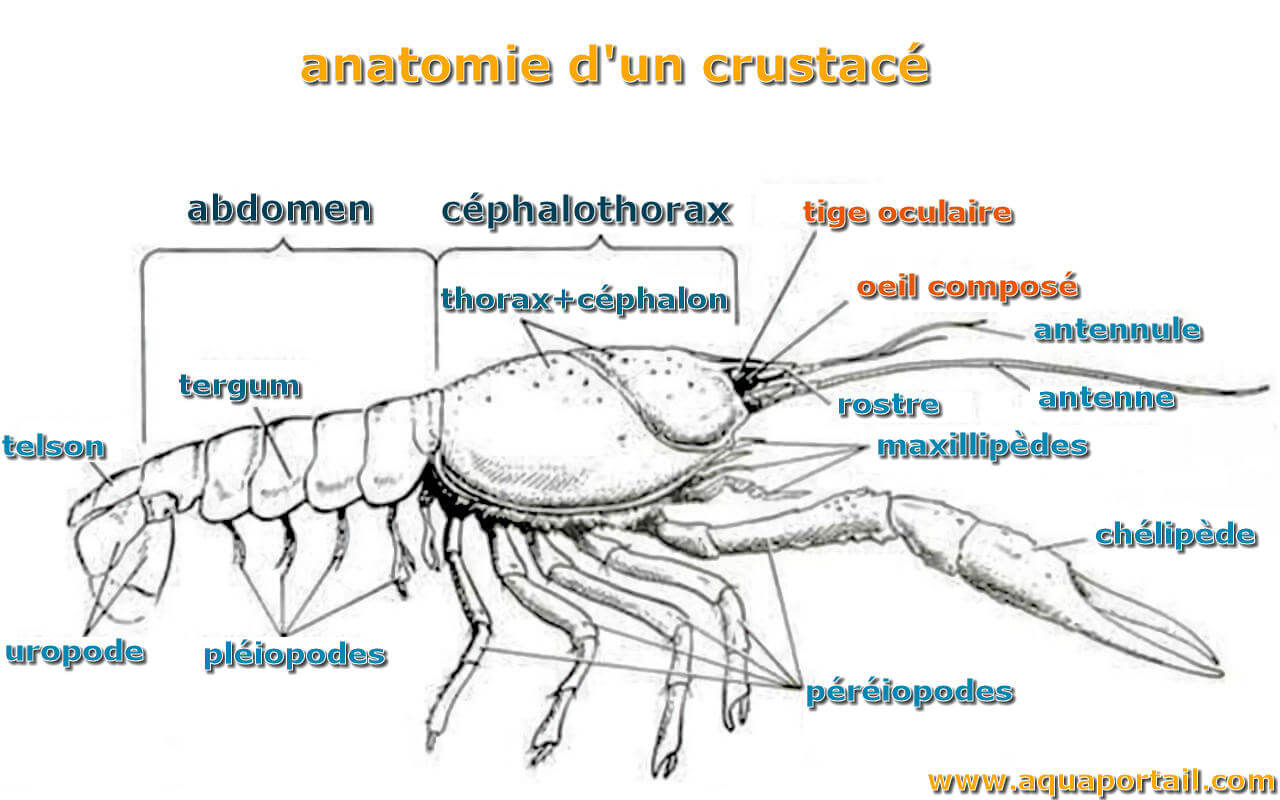
A maxilliped (or jaw-foot) is one of the thoracic feeding appendages of certain crustaceans located behind the maxillae, used in feeding.
