Nose
noun (n.)
Definition
The nose is the nasal appendage of an animal's respiratory system, as well as the external organ of smell. To inhale, the nose draws in outside air, filtering particles while warming and humidifying the inspired air. It also allows exhalation of expired air (laden with CO2). Working in conjunction with the throat, it participates in phonation.
A woman's nose:

The nose consists of two nasal cavities opening to the exterior. Each cavity has three regions: the nasal vestibule, the respiratory region, and the olfactory region.
Explanations
The nose is a protrusion on the face of mammals housing the nostrils, which serve for breathing or smelling. In many mammals as well as strepsirrhine primates, the nose is called a rhinarium. The rhinarium is the moist, hairless cutaneous surface surrounding the external openings of the nostrils. Haplorhine primates lack a rhinarium.
In humans (and primates), every nose has a different shape. Shapes relate to the length and angles of the bridge (dorsum) or columella, the size of the alae (wings), and more:
- straight nose, Greek nose;
- broad nose, snub nose, bulbous nose;
- drooping nose;
- flat nose, pug nose;
- hooked nose, aquiline nose, Roman nose;
- upturned nose, button nose, pert nose;
- Bourbon nose (associated with the House of Bourbon).
The list is far from exhaustive...
The nasolabial angle is the angle between the columella and the upper lip. The nasofrontal angle is the angle between the radix and the forehead.
Idioms: to lead someone by the nose; to have a nose for something; at a rough guess; hands down; to pick one's nose...
External surface anatomy
Surface anatomy refers to the visible external parts of the nose excluding the structures forming its interior. The visible anatomy of the nose includes:
- radix (root): the highest point of the nose, directly between the eyes;
- dorsum (bridge): the part of the nose running from the root to the tip of your nose;
- sidewalls: the sides of the nose flanking the bridge;
- lobule (tip): the tip (apex) of the nose;
- alae (wings): the lateral borders of the nostrils; each side is called an "alar wing," housing each nostril opening;
- columella: the vertical column separating the two nostrils.
External anatomy of the nose:

The six main regions of the human nose: radix, dorsum, sidewalls, lobule, alae, and columella.
Internal anatomy
Beneath the surface anatomy lie bone and cartilage, which give the nose its shape. The nose can be divided vertically into 3 parts: the upper third is formed by the nasal bones, the middle third by the upper lateral cartilages, and the lower third by the alar cartilages.
The internal structure of the nose comprises:
- nasal bones: these bones are relatively thin and are commonly rasped during rhinoplasty to achieve the desired appearance. The nasal bones give the bridge of the nose its shape and projection.
- upper lateral cartilages: cartilage is a firm tissue type much softer than bone. It begins just below the nasal bone in the middle third of the nose. You can feel it yourself (it is the soft, compressible part). These cartilages keep the nostrils wide open, and if weak, the nose may take on a "pinched" appearance.
- alar cartilages: these are crucial because they give the nasal tip its shape and are typically reshaped during rhinoplasty. These cartilages support the tip of the nose, columella, and alae.
- nasal septum: the wall running down the middle that separates the right and left nasal cavities from each other. You have likely heard the term "deviated septum," which refers to an issue involving the nasal septum.
The bony vault is the bony portion of the nose; it also includes the nasal bones and the bony septum.
The nasal concha (turbinate) consists of prominent bony ridges within a nasal cavity covered by mucous membrane that perform various physiological functions. Hypertrophy of the turbinates can cause breathing difficulties.
Synonyms, antonyms
Spanish translation: nariz
5 synonyms (similar meaning) for "nose":
- nasal appendage
- olfactory organ
- proboscis
- rhinarium
- snout
0 antonyms (opposite meaning).
Related words and expressions to NOSE are directly connected by general or specific meaning.
The word NOSE is listed on page 1 of words starting with N in the dictionary glossary.
Related to "nose"
nanobacterium
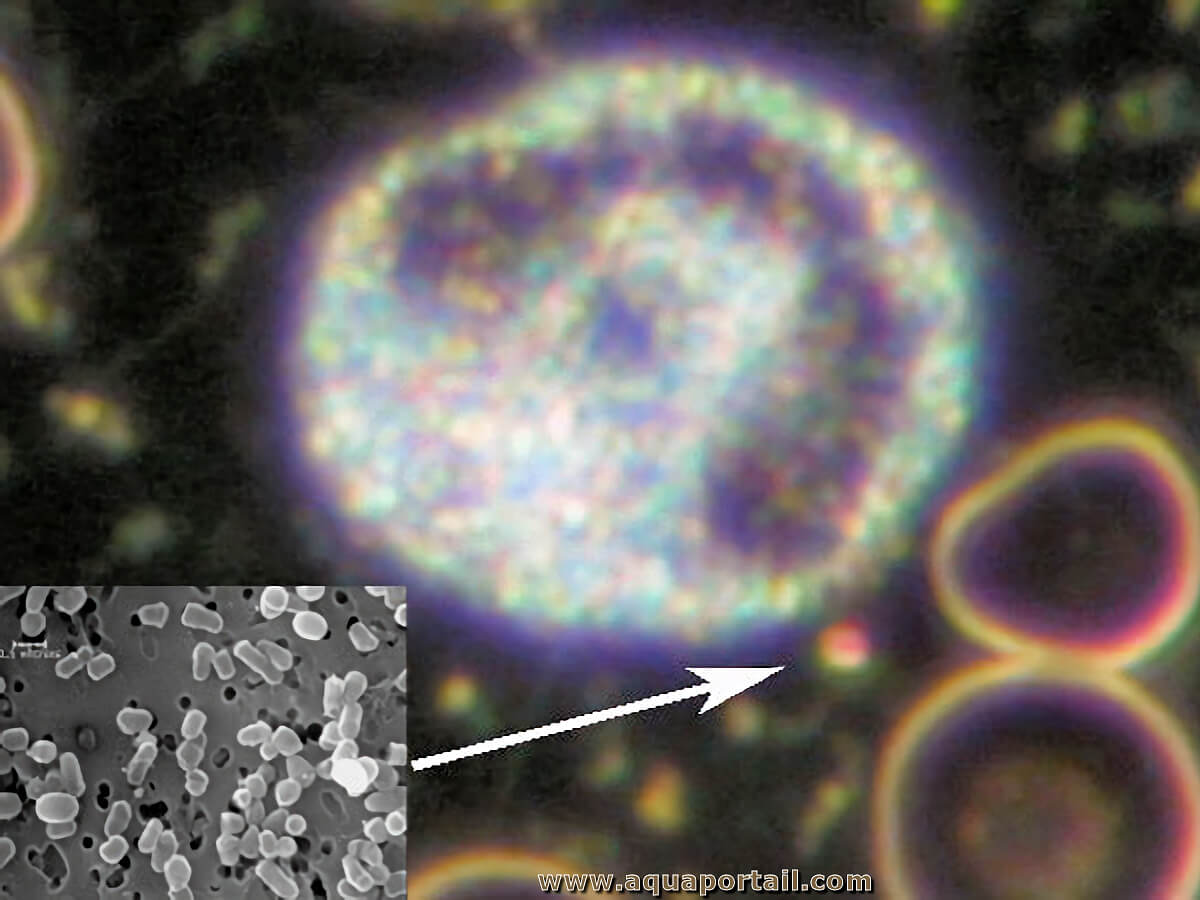
A nanobacterium is a submicron particle initially described as a hypothetical bacterial microorganism the size of a nanobe.
nanobe
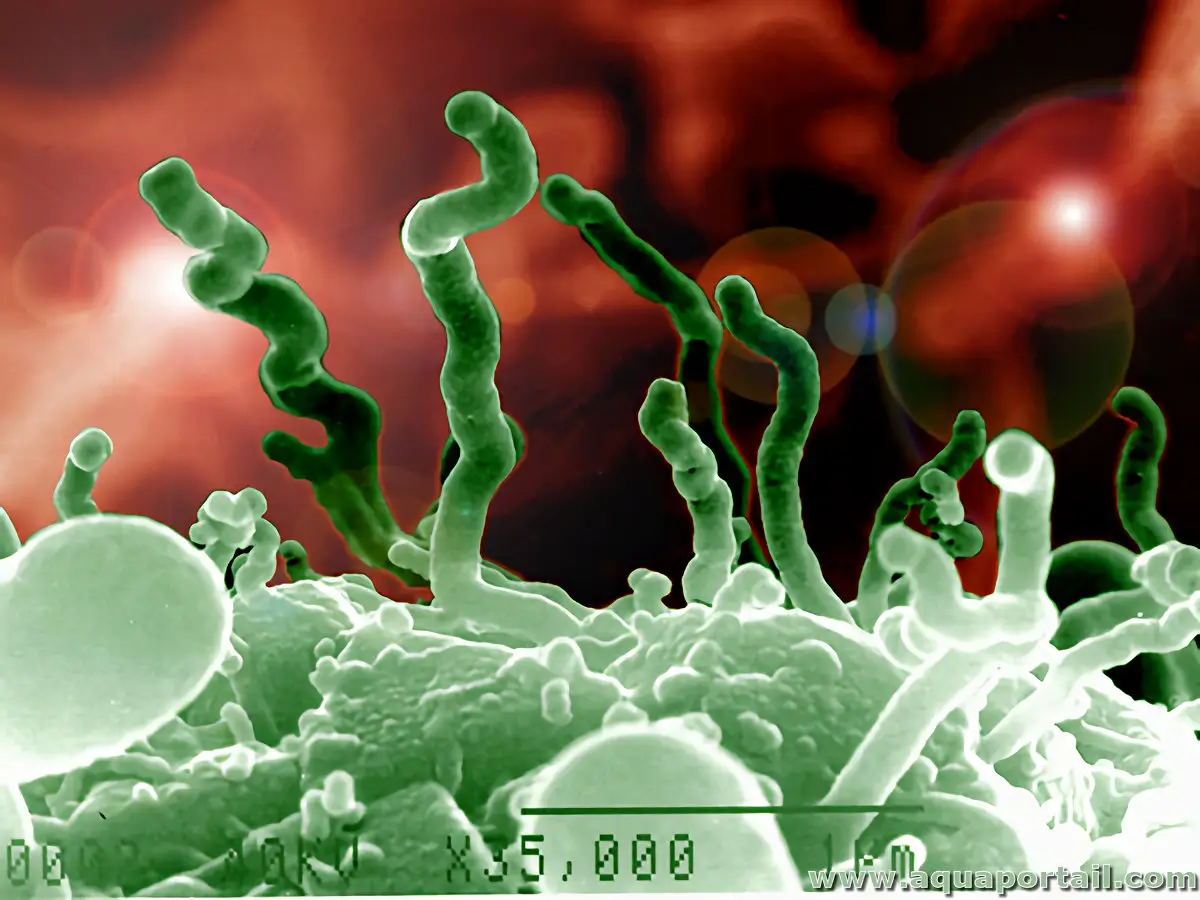
A nanobe is a tiny filamentous structure initially proposed as a hypothetical nanometer-scale microbe discovered in certain rocks and sediments, closely...
natural environment

The natural environment is the environment of nature that characterizes a habitat area with an artificially unmodified biotope, integrating an ecosystem where...
natural swimming pool

The principle of an ecological swimming pool, or natural swimming pool, is relatively simple : private swimming pools are becoming increasingly numerous...
