Nutrient reserves
noun phrase (n. phr.)
Definition
Physiological nutrient reserves are nutrients stored within organisms (animals, plants) and cells that support their growth. These reserves are stored in a form that does not immediately contribute to active growth, enabling their subsequent mobilization for physiological processes.
Reserves of a tomato plant:

Nutrient reserves in plants refer to stored nutrients that indirectly support growth, as they are held in a form not immediately available for growth. Growth of the tomato plant is supported using aqueous effluent containing nutrients.
Explanations
A vital physiological process in plants is nutrient storage, which can be divided into three components: nutrient accumulation, reserve formation, and nutrient recycling. Nutrients not immediately required for active growth are initially accumulated, since excess free nutrients could increase the plant's metabolic demands.
Reserve formation consists of storing nutrients essential for plant growth in metabolically controlled forms that do not directly drive growth at the time of storage, yet remain crucial for future development and physiological functions.
These reserves, stored as metabolically inactive compounds, influence growth and other plant functions that rely on remobilizing those substrates back into their active forms. Furthermore, recycling ensures that compounds initially bound in growth or physiological structures—which would otherwise be lost—are broken down and reused for future plant activities. The importance of adequate nutrient storage and remobilization for optimal nutrient-use efficiency depends strongly on external nutrient availability.
In most species, individuals accumulate reserves for reproduction or overwintering alongside residual body reserves not fully depleted during the preceding period.
Cellular physiological reserve
The physiological reserve of a cell is its cytoplasmic reserve, while that of an organ is termed its functional reserve.
Terms such as "physiological reserve" or "functional reserve" are commonly used to describe situations in which an outcome (positive or negative) is evaluated in response to a stressor (e.g., disease, trauma, starvation).
Synonyms, antonyms
3 synonyms (similar meaning) for "nutrient reserves":
- body reserves
- functional reserves
- physiological reserves
0 antonyms (opposite meaning).
Related words and expressions to NUTRIENT RESERVES are directly connected by general or specific meaning.
The expression NUTRIENT RESERVES is listed on page 1 of words starting with N in the dictionary glossary.
Related to "nutrient reserves"
nanobacterium
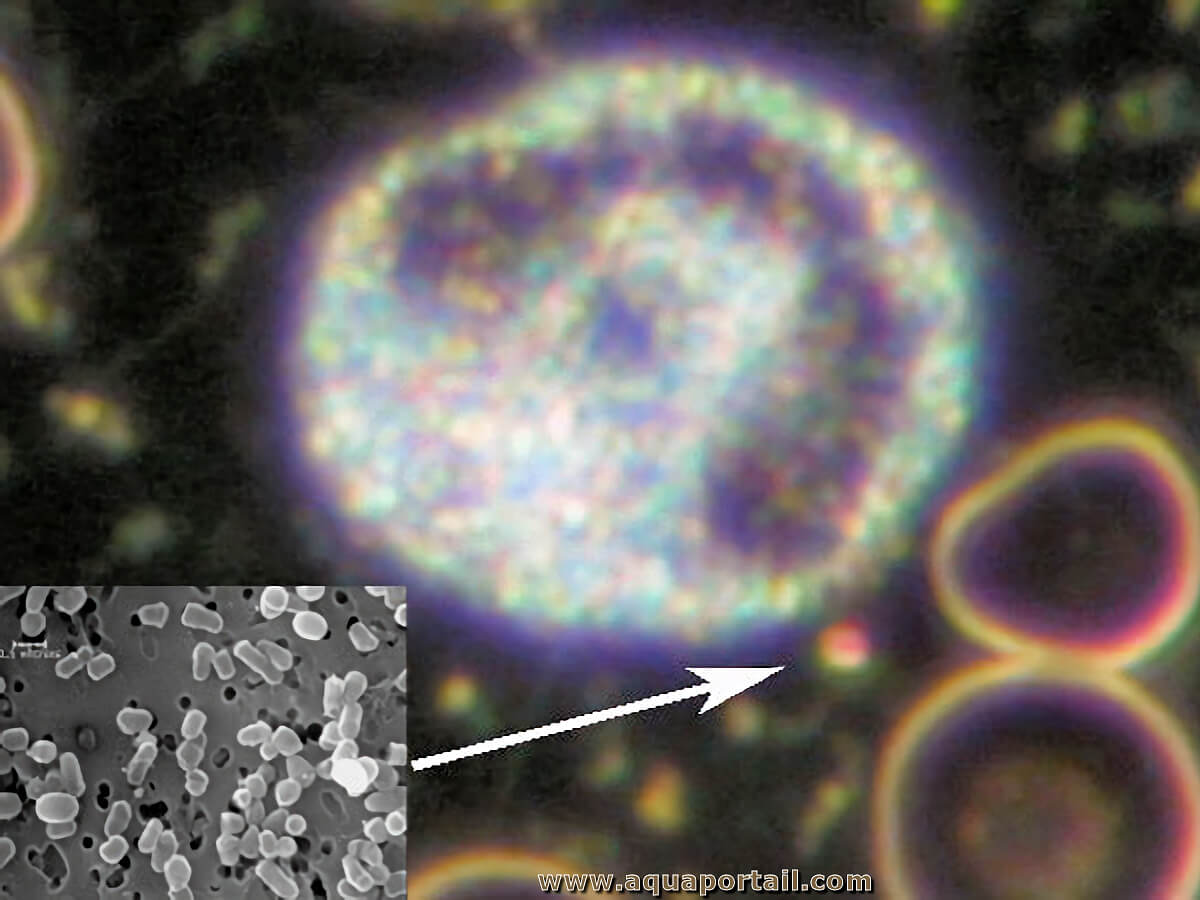
A nanobacterium is a submicron particle initially described as a hypothetical bacterial microorganism the size of a nanobe.
nanobe
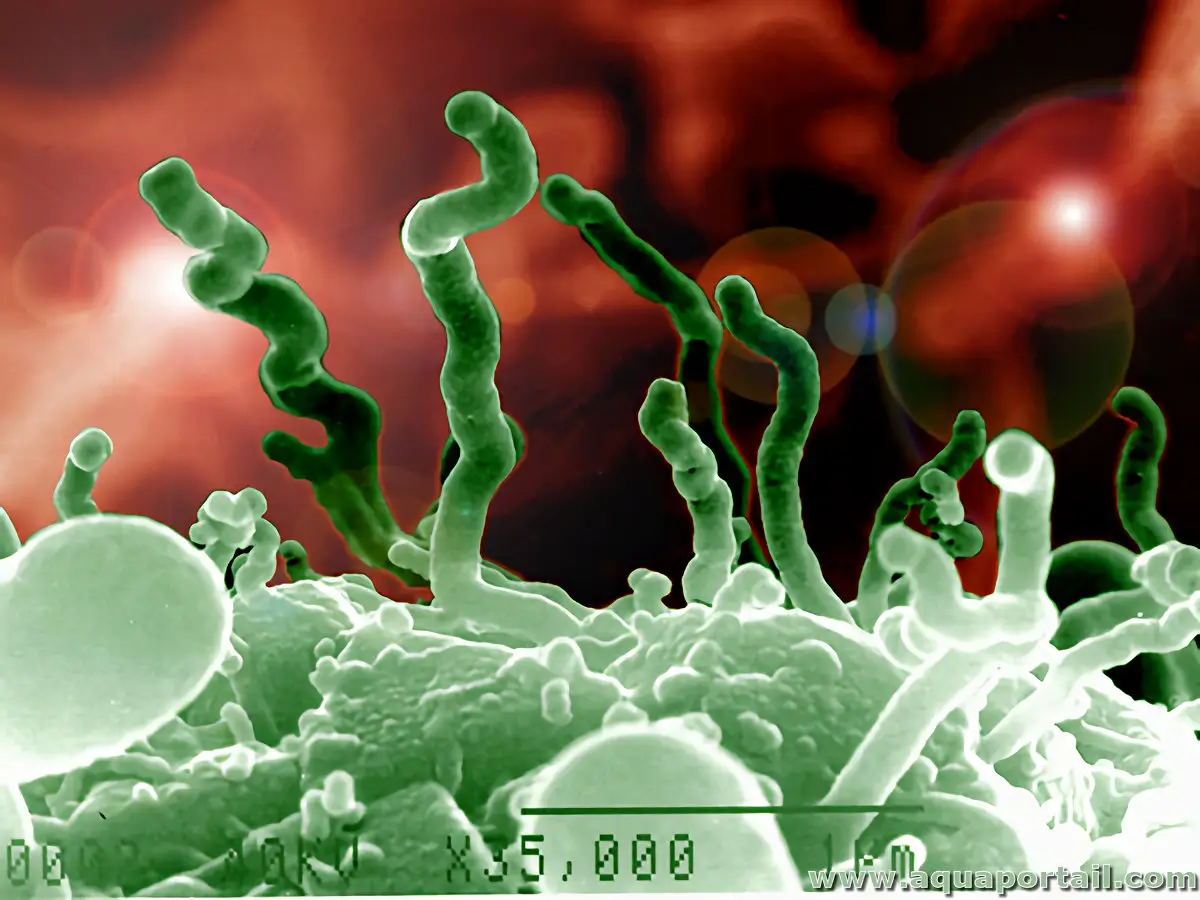
A nanobe is a tiny filamentous structure initially proposed as a hypothetical nanometer-scale microbe discovered in certain rocks and sediments, closely...
natural environment

The natural environment is the environment of nature that characterizes a habitat area with an artificially unmodified biotope, integrating an ecosystem where...
natural swimming pool

The principle of an ecological swimming pool, or natural swimming pool, is relatively simple : private swimming pools are becoming increasingly numerous...
Simple summary
Nutritional (nutrient) reserves refer to the vitamins, minerals, and other essential nutrients that the body retains for proper functioning. These reserves serve as a backup system, ensuring the organism has sufficient resources during periods of high demand, such as stress, illness, or dietary deficiencies.
