Archegonium
noun (n.)
Definition
An archegonium is the bottle-shaped female reproductive apparatus, comprising an egg cell (oosphere) enclosed in a sheath and communicating with the outside via a narrow tube, the neck. This female gametangium of archegoniates, in bryophytes and pteridophytes, is well differentiated and possesses a venter housing the oosphere, topped by a more or less elongated canal called the neck.
The archegonia of a bryophyte:
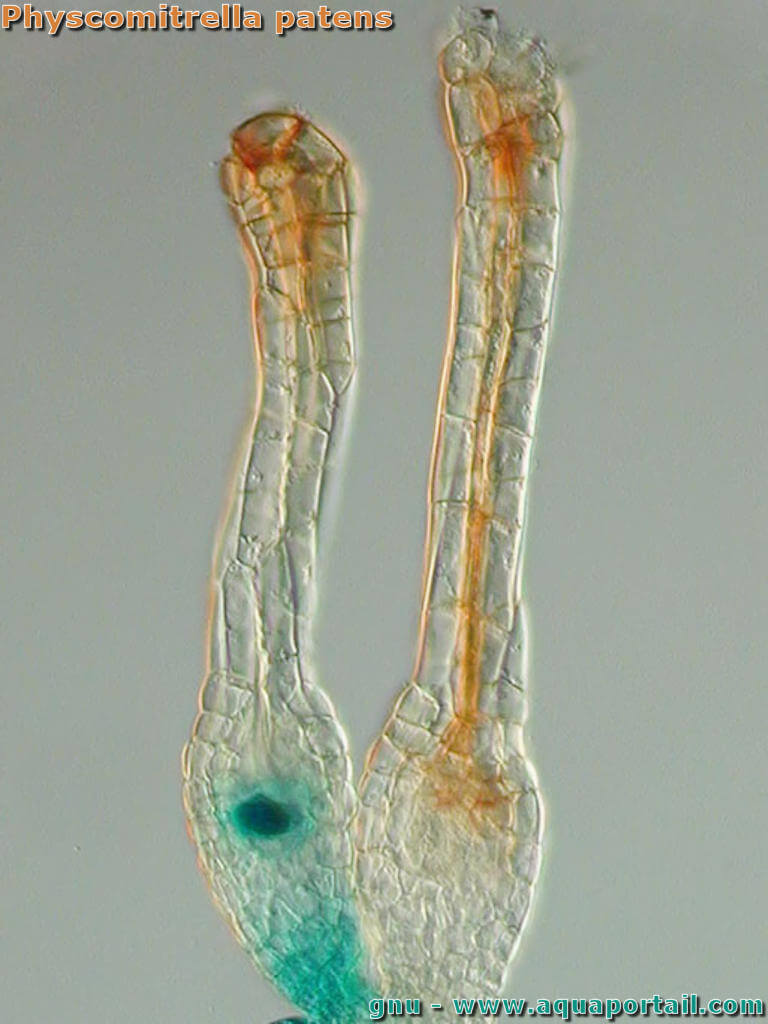
Archegonia are highlighted in this gene expression pattern determined by histochemical analyses in Physcomitrella patens (a bryophyte moss used as a model organism for studies on plant evolution, development, and physiology).
Explanations
In gymnosperms, the archegonium is reduced to a few cells; in angiosperms, it is represented only by the two synergids of the embryo sac (a debated interpretation).
Archegonia, as opposed to male antheridia, are found in algae, bryophytes, pteridophytes, clubmosses, fungi... the embryophytes.
The archegonium is the female reproductive organ (gametangium) of land plants (mosses, vascular spore plants, and seed plants) in which the egg cell is formed. The male counterpart is the antheridium. The archegonium is multicellular, composed of a neck formed of one or more rows of cells and a swollen base containing the egg.
Structure of a clubmoss gametophyte:

The structure of the clubmoss gametophyte (Lycopodium clavatum) shows the female archegonium, the male antheridium, the zygote, and fertilization with antherozoids. In addition, the contact zone indicates the symbiotic fungi, the mycorrhizal zone, and the rhizoids.
Archegonia are located on the surface of the gametophyte or embedded within it. In its typical form, found in mosses and vascular spore plants (collectively termed archegoniates), the archegonium consists of a thickened venter in which the egg sits and a slender neck. The wall of the venter and neck is generally composed of a single layer of cells.
A large cell located inside the ventral part divides to form the egg cell beneath one or more neck canal cells. The ventral and neck canal cells gelatinize, thereby allowing the penetration of male gametes.
✅ Sometimes female gametophytes are so reduced that no archegonium is visible. It is possible that synergids are homologous to the neck wall cells of the archegonium.
Acrogynous
An acrogynous plant bears archegonia at the apex of the stem, implying that the apical cell involved in their formation results in determinate growth of the gametophyte. The qualifier is mainly used for certain liverworts.
Comparison between acrogynous and anacrogynous:
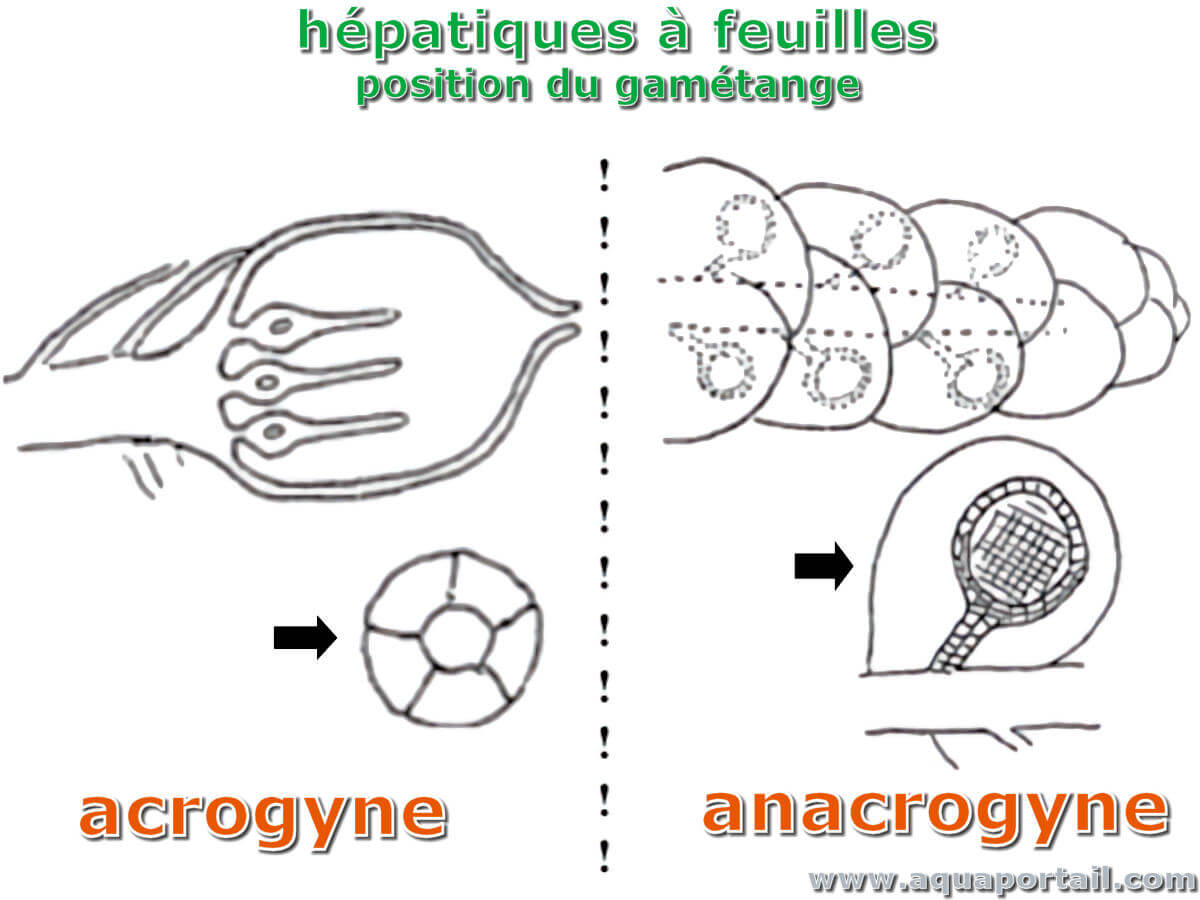
Comparison of the gametangium of an acrogynous liverwort and an anacrogynous one. An acrogynous liverwort has archegonia at the top of the stem; they involve the apical cell in their formation, leading to determinate growth of the gametophyte. In anacrogynous liverworts, growth is indeterminate.
An acrogynous organ is a female organ that arises at the extremity of the structure supporting it and thus puts an end to its lengthwise growth. An acrogynous liverwort has its archegonia situated on the main branches.
An acrogynous plant has its gynoecium located at the tip of the supporting structure. This prevents it from continuing to grow, unlike an anacrogynous plant which exhibits indeterminate growth.
In many liverworts such as Lophocolea heterophylla, the archegonia, which are female gametangia, arise at the apex of the leafy shoot. Such liverworts are then said to be acrogynous. Acrogynous thus refers to liverworts whose archegonia arise at the tip of the gametophyte. For example, the genus Caldoryum is acrogynous.
Anacrogynous
An anacrogynous plant is a leafy liverwort whose archegonia arise laterally rather than at the tip of the leafy stem. This corresponds to indeterminate growth of the gametophyte. Unlike an acrogynous plant, the archegonium emerges below the stem apex and does not involve the apical cell.
An anacrogynous plant has an archegonium arising below the stem apex without involving the apical cell. Moreover, it exhibits indeterminate gametophyte growth. For example, Haplomitrium.
The anacrogynous plant has female sexual organs arising from any cell below the stem apex, thus not terminating its growth, as in certain liverworts. Archegonia are produced from cells other than the apical cell of a reproductive branch.
In the development of mosses and ferns, the apical cell divides by a transverse wall, and the outer cell thus formed develops into an archegonium. In a number of observed cases, young archegonia have been noted among older ones, apparently formed secondarily from superficial cells between them rather than from younger segments of the apical cells. A perianth is formed around the cluster of archegonia, somewhat as in anacrogynous forms.
Synonyms, antonyms
Spanish translation: arquegonio
0 synonyms (similar meaning) for "archegonium".
1 antonym (opposite meaning):
Related words and expressions to ARCHEGONIUM are directly connected by general or specific meaning.
The word ARCHEGONIUM is listed on page 1 of words starting with A in the dictionary glossary.
Related to "archegonium"
antheridium
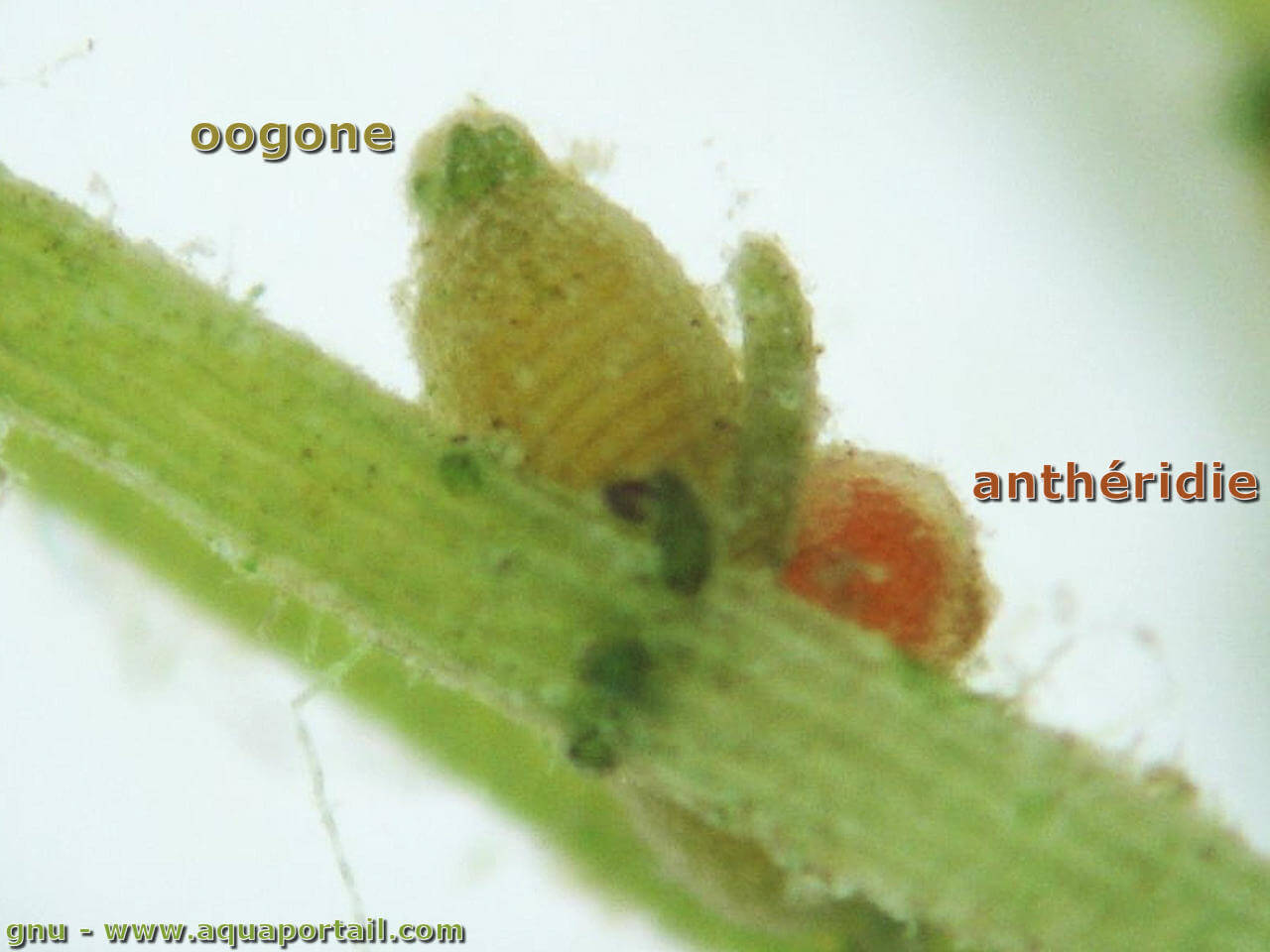
In botany, an antheridium is a male gametangium producing male gametes (antherozoids). It is the sexual organ of cryptogamic plants such as mosses, ferns...
Archean

The Archean is the part of the Precambrian period, prior to the Cambrian, spanning from 2. 5 to 4. 0 Ga (following the Hadean, which began at 4. 56 Ga).
oogonium
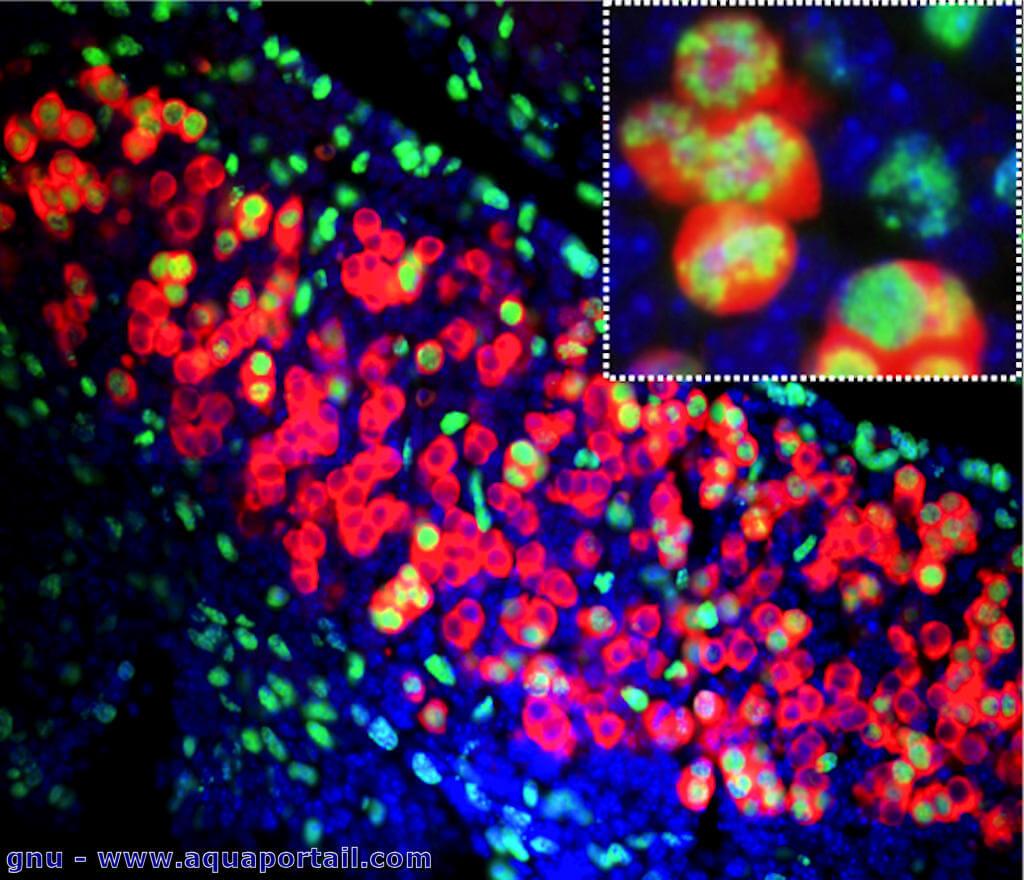
An oogonium is a diploid female germ cell, derived from primordial germ cells, representing the initial developmental stage of female sex cells that gives...
abiotic

In biology and ecology, abiotic refers to what is not biotic, that is, not part of living beings.
