Dimethylsulfoniopropionate
noun (n.)
Definition
Dimethylsulfoniopropionate (DMSP) is a precursor of dimethyl sulfide. DMSP is the abbreviation for dimethylsulfoniopropionate. Dimethylsulfoniopropionate (DMSP) is an organosulfur compound with the chemical formula (CH3)2S+CH2CH2COO-.This zwitterionic metabolite is found in marine phytoplankton, seaweeds, and some species of terrestrial and aquatic vascular plants. It functions as an osmolyte and has also been identified as playing several other physiological and environmental roles. DMSP was first identified in the marine red alga Polysiphonia fastigiata.
In higher plants, DMSP is biosynthesized from S-methylmethionine. Two intermediates in this conversion are dimethylsulfoniumpropylamine and dimethylsulfoniumpropionaldehyde. In algae, however, biosynthesis begins with the removal of the amino group from methionine rather than from S-methylmethionine.
DMSP is broken down by marine microbes to form two major volatile sulfur products, each with distinct effects on the environment. One of these products is methanethiol (CH3SH), which is assimilated by bacteria into protein sulfur. Another volatile breakdown product is dimethyl sulfide (CH3SCH3, DMS). There is evidence that DMS in seawater can be produced by cleavage of dissolved (extracellular) DMSP by the enzyme DMSP-lyase, although many species of non-marine bacteria convert methanethiol into DMS.
DMS is also taken up by marine bacteria, though not as rapidly as methanethiol. Although DMS typically accounts for less than 25% of the volatile breakdown products of DMSP, the high reactivity of methanethiol makes steady-state concentrations of DMS in seawater roughly 10 times those of methanethiol (~3 nM vs. ~0.3 nM). Intriguingly, no published correlations have been found between DMS and methanethiol concentrations, likely due to non-linear abiotic and microbial uptake of methanethiol in seawater and the relatively low reactivity of DMS. Nevertheless, a significant portion of DMS in seawater is oxidized to dimethyl sulfoxide (DMSO).
Regarding global climate, DMS is thought to play a role in cooling Earth by reducing the amount of solar radiation reaching Earth's surface. This occurs through the oxidation of DMS in the atmosphere into hygroscopic compounds that condense water vapor, leading to cloud formation.
DMSP has also been implicated in influencing the taste and odor characteristics of various products. For instance, although DMSP is odorless and tasteless, it accumulates to high levels in certain marine herbivores and notably in filter feeders (bivalves). Increased growth rates, vigor, and stress resistance in animals reared on such diets have been reported. DMS is responsible for the characteristic aroma, flavors, and odors that develop in certain seafoods due to bacterial DMSP-lyase activity, which co-generates acrylate.
Related to "dimethylsulfoniopropionate"
dimethyl sulfide
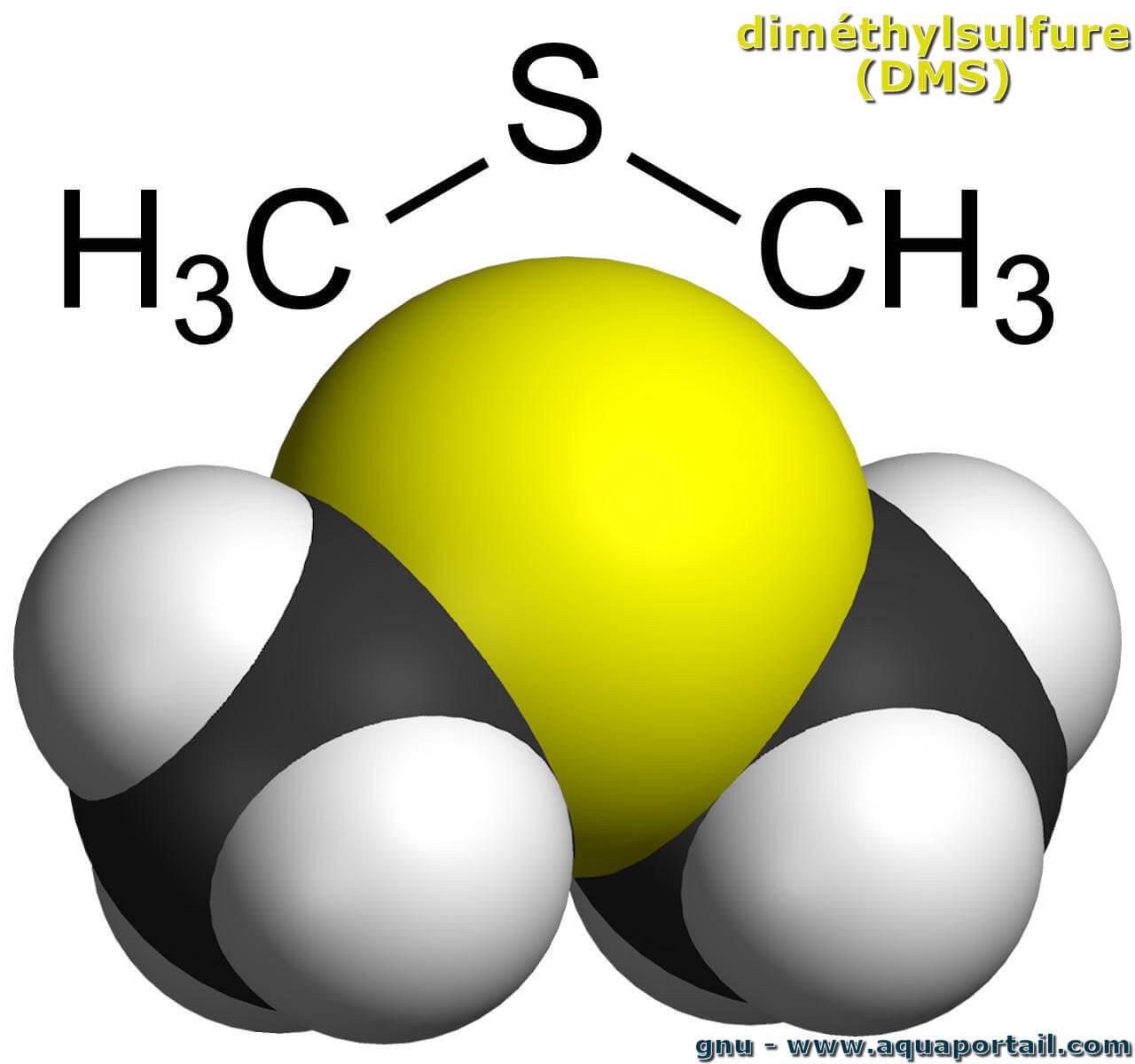
Dimethyl sulfide (DMS) is a volatile chemical compound, a thioether, with the molecular formula (CH₃)₂S.
dimethyl sulfoxide

Dimethyl sulfoxide (DMSO) is an oxidation product of dimethyl sulfide. DMSO is a colorless organic liquid with the chemical formula CH₃SOCH₃ containing...
methyl
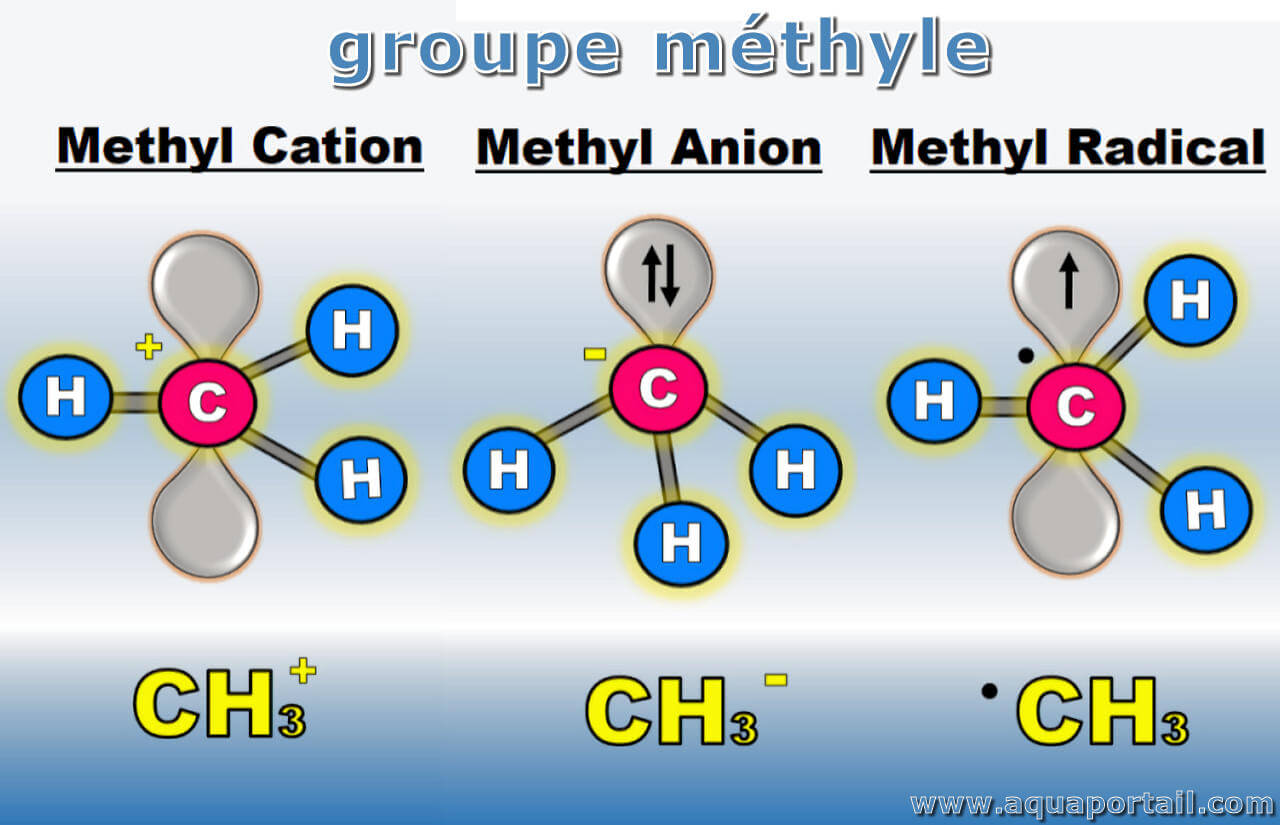
A methyl (or methyl group) is an alkyl functional group composed of one carbon atom and three hydrogen atoms (-CH₃).
dale

A dale is a small valley or glen that does not (or no longer) contains a watercourse. The concave hollowed space of a dale is not large enough to build...
