Diluvium
noun (n.)
Definition
In geology, diluvium is a superficial deposit formed by floods and heavy precipitation, contrasting with alluvium or alluvial deposits formed by slow, steady fluvial sedimentation. A diluvium refers to any geological deposit produced by a flood of exceptional power.
A diluvial terrace:
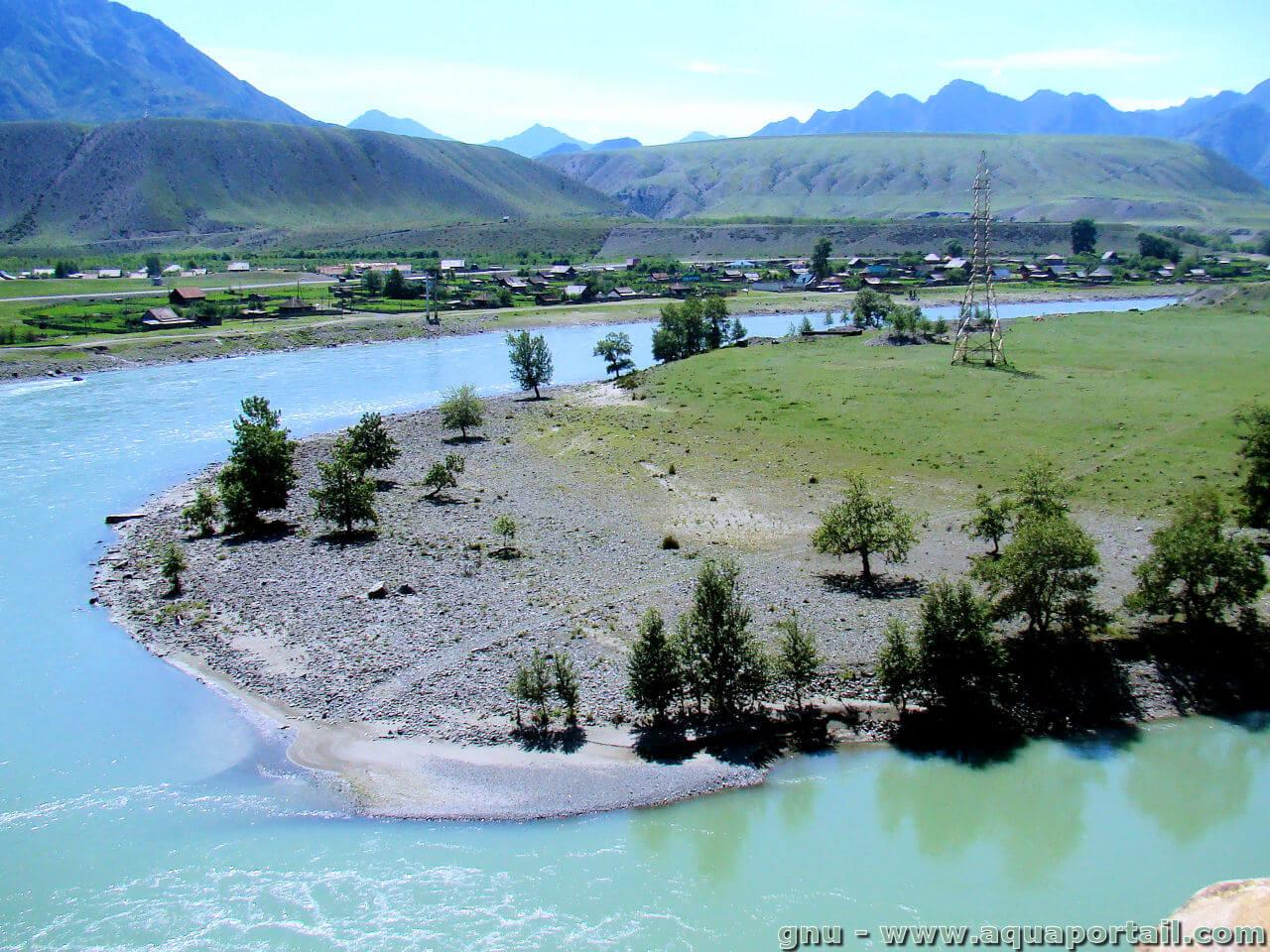
Diluvium, distinct from illuvium, eluvium, and colluvium, forms diluvial terraces through accumulation. Diluviation is the process of diluvial deposition.
Explanations
A diluvial terrace is difficult to distinguish with the naked eye from an alluvial terrace. This type of terrain consists of rock fragments of varying sizes and origins, sands, marls, and clays.
An alluvial-diluvial deposit is a distinct soil-rock mixture composed of gravel, boulders, cobbles, and fine-grained soils transported by rivers or flash floods, whose mechanical properties differ markedly from those of ordinary soils and rocks.
Archaically, the term was formerly applied to widespread clay and boulder deposits once attributed to the biblical Flood.
Synonyms, antonyms
Spanish translation: diluvión, depósito diluvial
2 synonyms (similar meaning) for "diluvium":
- diluvial deposit
- diluvial terrace
0 antonyms (opposite meaning).
Related words and expressions to DILUVIUM are directly connected by general or specific meaning.
The word DILUVIUM is listed on page 1 of words starting with D in the dictionary glossary.
Related to "diluvium"
illuvium
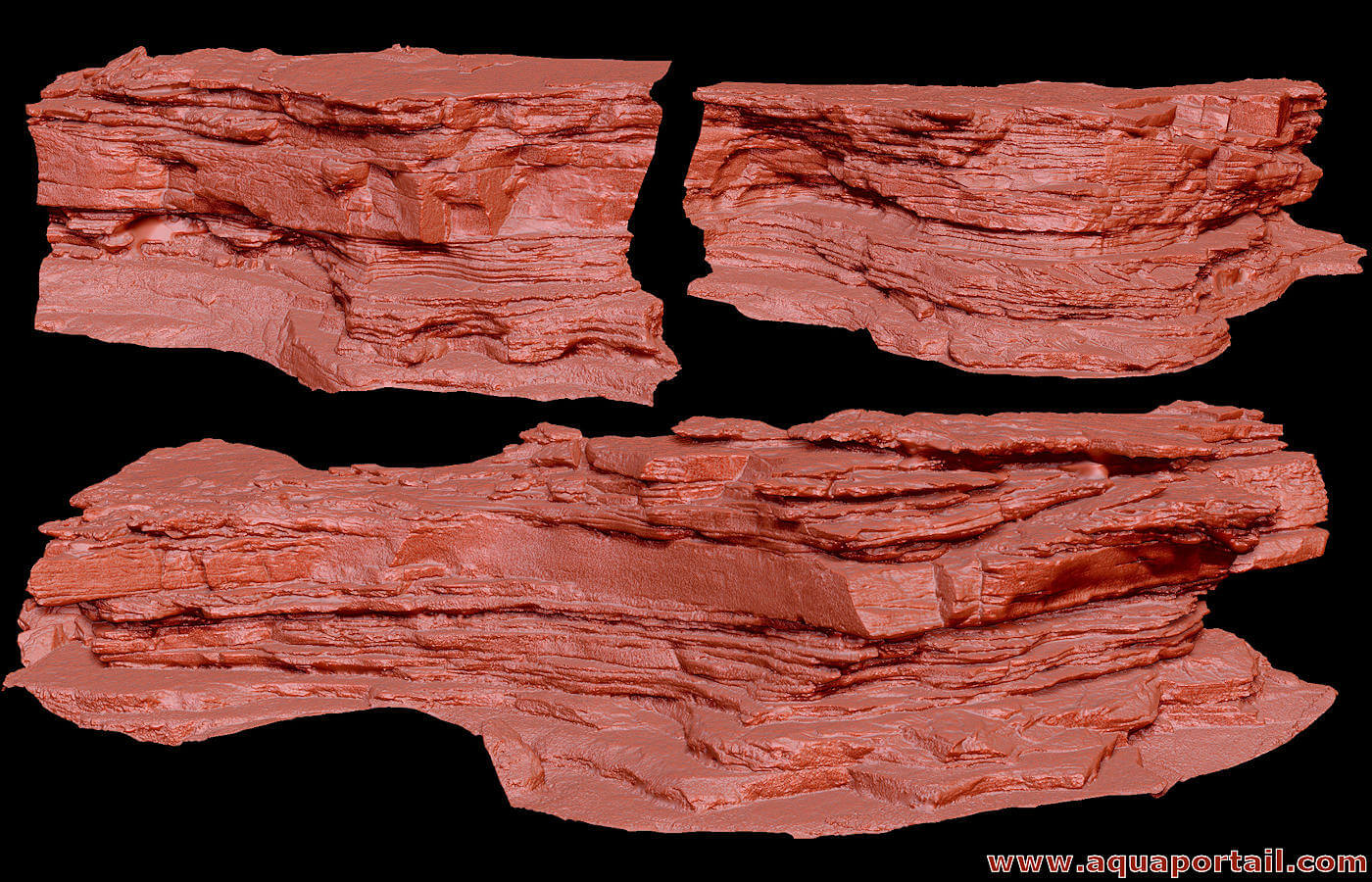
An illuvium is material displaced through a soil profile, from one layer to another, by the action of rainwater.
dale

A dale is a small valley or glen that does not (or no longer) contains a watercourse. The concave hollowed space of a dale is not large enough to build...
daphnia

Daphnia is a planktonic branchiopod crustacean of the family Daphniidae, forming a dominant portion of freshwater plankton.
dawn

Dawn marks the transition between night and day, when the sky brightens and morning breaks in the East.
