Bivalve
noun and adjective (n. / adj.)
Definition
A bivalve is a type of shellfish among pelecypod (lamellibranch) mollusks and brachiopods, whose shell is formed of two valves connected by a hinge, a flexible horny ligament, and one or two muscles. Cockles, mussels, clams, venus clams, tellins, scallops, oysters, razor clams, giant clams, king scallops, and many other families of marine shells are bivalve mollusks.
A few families live in freshwater. The class Bivalvia includes various edible species, many of which are farmed in shellfish farming and mariculture: seafood.
The mussel is a bivalve mollusk:

In zoology, bivalves, in the plural, is the common name given to aquatic mollusks of the class Bivalvia, and they are also referred to, somewhat reductively, as lamellibranchs.
General explanations
Most bivalves burrow into sediments, where they are relatively safe from predation. Others lie on the sea floor or attach themselves to rocks or other hard surfaces. A few bore into wood, clay, or stone and live inside these substances. Some bivalves, such as scallops, can swim.
Conchology is the scientific study of mollusk shells, though the term conchologist is sometimes used to describe a shell collector.
Modern bivalves live in a variety of depositional environments in fresh, brackish, and marine waters. Fossil bivalves inhabited the same habitats as modern bivalves. The marine, brackish, and freshwater origins of fossil bivalves are generally determined by their associations with other fossils more diagnostic of marine, brackish, or freshwater. For example, fossil bivalves found in the same rock layer as fossil corals are likely marine bivalves because corals live only in marine conditions. The sedimentology of rock strata containing bivalve fossils is also used to interpret the type of environment (river, lake, estuary, marine shelf, etc.) in which the original sediment was deposited.
In zoology, bivalve mollusks
The shell of a bivalve mollusk, such as an oyster, including the pearl oyster, is composed of calcium carbonate. The majority of bivalves are filter-feeding organisms and have no head, no distinct tentacles, and lack a radula. The mouth has fleshy labial palps. They breathe through one or two pairs of gills, generally lamellar. The gills have evolved into ctenidia, specialized organs used for feeding and respiration.
Bivalve shells offer a wide variety of sizes, shapes, colors, and patterns engraved on the surface. Size ranges from tiny shells (2 mm / 0.08 in) to species that can reach 1.5 meters (4.9 ft) in length and weigh 250 kg (551 lb). The shell generally has bilateral symmetry, with the hinge lying in the sagittal plane.
The internal and external shape of the anterior, trifid edge of the mantle differs among species. The inner fold is muscular, the middle fold has a sensory function, and the outer fold is associated with shell secretion. The shell is divided into two valves attached to the dorsal side of the hinge, which is formed by an elastic conchiolin ligament secreted by the mantle; the ligament is not heavily calcified, so it remains flexible and elastic. The foot muscles of bivalve mollusks may be considerably reduced depending on whether the species is sessile or vagile.
Comparison between the two types of bivalves (brachiopods and pelecypods):

Two major groups of bivalves exist: brachiopods and pelecypods. The image above shows the morphological and anatomical differences between the two types of aquatic animals.
Modern bivalves may swim freely, live on or attached to another organism or substrate (epifauna), or live within the substrate (infauna, meiofauna, mesofauna). Certain bivalves (infauna or epifauna) attach to the substrate or other objects by strong thread-like structures called byssus. A small gap, called the byssal gape, may appear along the commissure of the two valves in bivalves with a byssus. Neither the foot nor the byssus is preserved as fossils, though holes in shells may be preserved as indicators of their position when the bivalve was alive.
In botany
In botany, a bivalve fruit refers to a fruit that opens into two valves, such as a silique, a pod (vanilla pod, for example), or a bivalve capsule.
See also what is equivalve.
Synonyms, antonyms
Spanish translation: bivalvo
3 synonyms (similar meaning) for "bivalve":
1 antonym (opposite meaning):
Related words and expressions to BIVALVE are directly connected by general or specific meaning.
The word BIVALVE is listed on page 1 of words starting with B in the dictionary glossary.
Related to "bivalve"
mollusk

A mollusk is a soft-bodied terrestrial or aquatic invertebrate animal belonging to the phylum Mollusca.
bacterial artificial chromosome
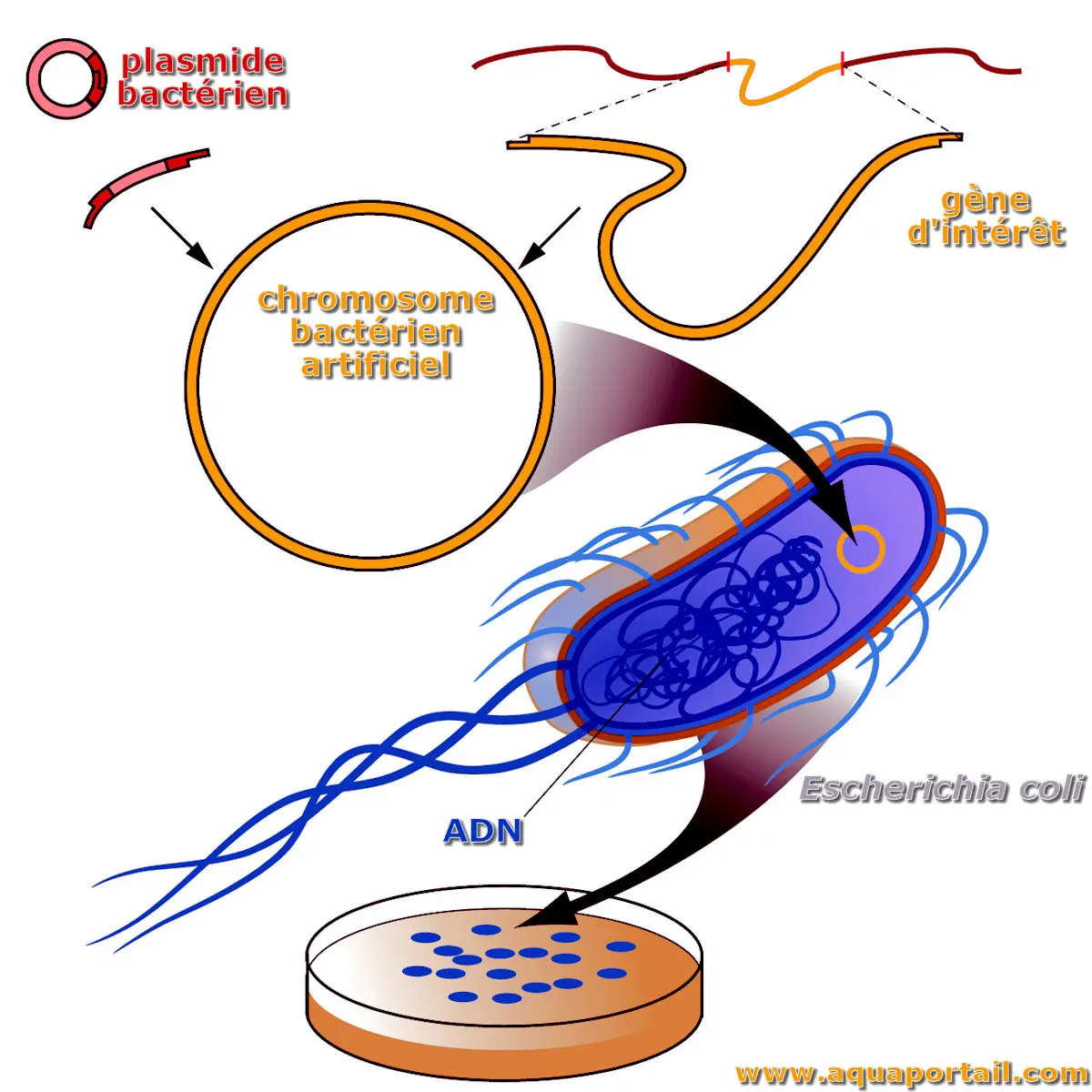
A bacterial artificial chromosome (BAC) is a DNA construct, based on a functional fertility plasmid or F-factor, used for transformation and bacterial cloning...
bacteriochlorophyll

A bacteriochlorophyll (BChl) is a pigment of photosynthetic eubacteria other than cyanobacteria, yet containing chlorophyll and able to carry...
bacteriorhodopsin
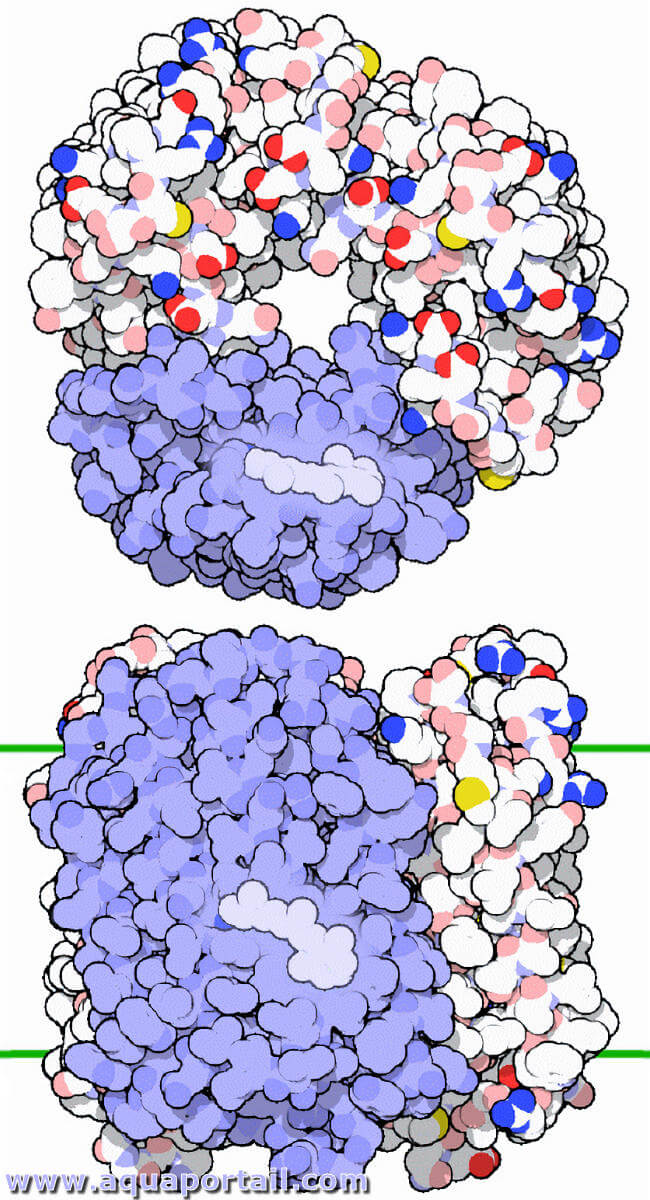
Bacteriorhodopsin (or proteorhodopsin) is a pigment of extreme halophilic photosynthetic archaebacteria.
