Bistratified ganglion cells are characterized by their two-layered structure in the retina. The blue-yellow pathway originates from a type of bistratified ganglion cell and associated interneurons that combine excitation from S cones and inhibition from L and M cones.
The primate visual system consists of parallel pathways initiated by distinct cell types in the retina that encode different features of the visual scene. Small bistratified cells, which form a major projection to the thalamus, exhibit blue-ON/yellow-OFF light responses considered important for high-acuity color vision. However, the spatial processing properties of individual bistratified cells and their spatial arrangement across the visual field are poorly understood.
bacterial artificial chromosome
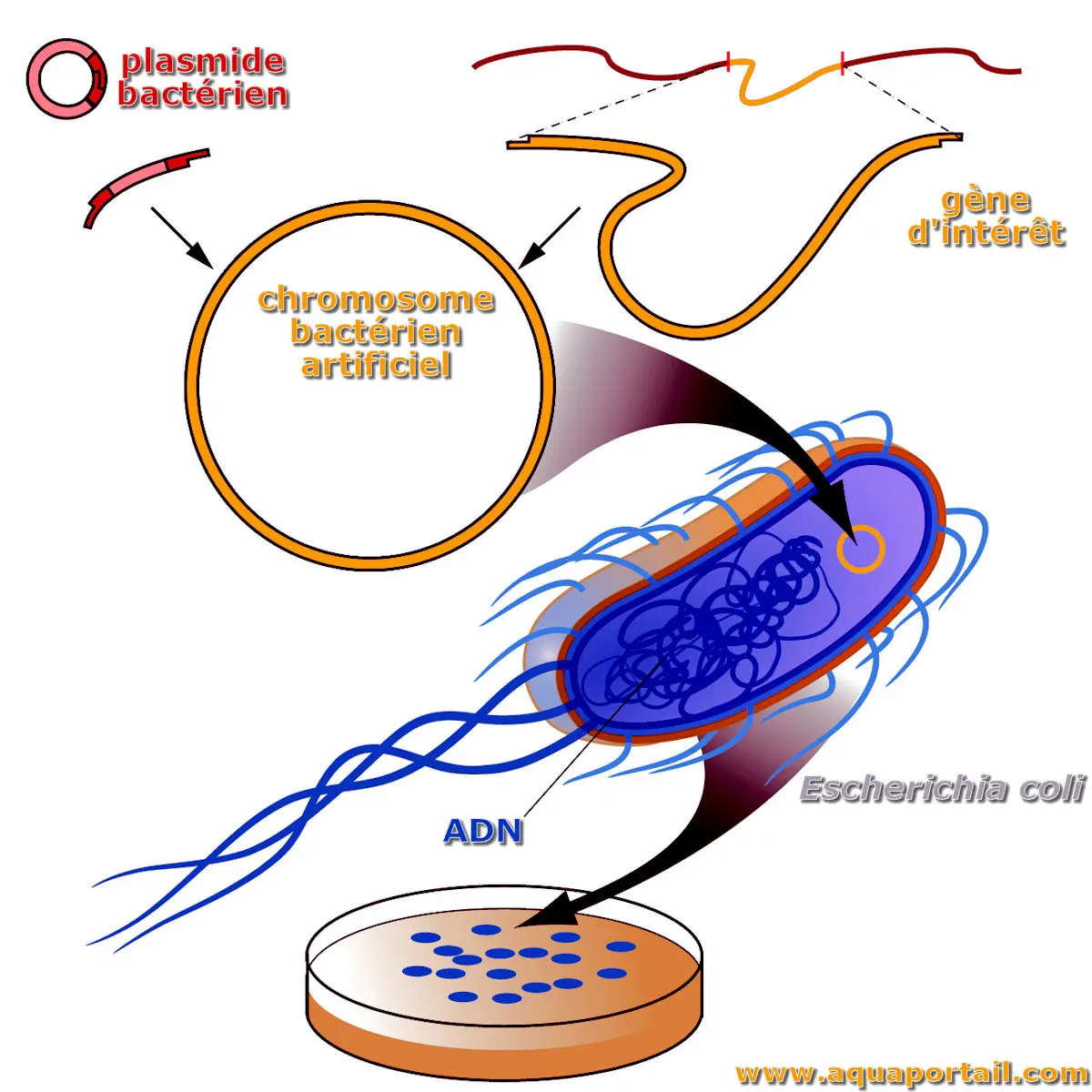
A bacterial artificial chromosome (BAC) is a DNA construct, based on a functional fertility plasmid or F-factor, used for transformation and bacterial cloning...
bacteriochlorophyll

A bacteriochlorophyll (BChl) is a pigment of photosynthetic eubacteria other than cyanobacteria, yet containing chlorophyll and able to carry...
bacteriorhodopsin
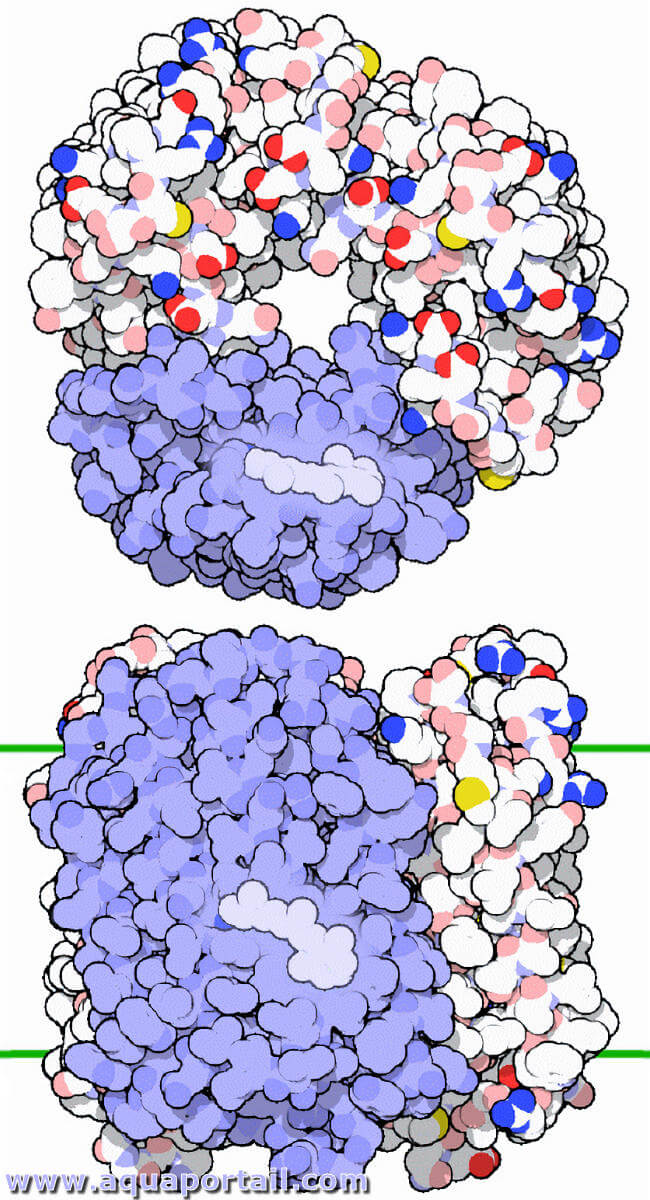
Bacteriorhodopsin (or proteorhodopsin) is a pigment of extreme halophilic photosynthetic archaebacteria.
bacterium

A bacterium is a unicellular prokaryotic microorganism, primarily round, spiral, or rod-shaped, that generally lives in soil, water, organic matter...
