Blob
noun (n.)
Definition
The blob, species Physarum polycephalum, is a slime mold, a multinucleate unicellular myxomycete without a brain. Yet it is recognized as an intelligent, decisive, and deliberate organism capable of solving complex problems. The entire organism is a gigantic single cell with numerous nuclei.
A blob in culture:

This image shows two blobs (unicellular organisms) "chatting." Despite their simple appearance, blobs solve complex mazes within a few hours. The blob's specific epithet polycephalum means "many-headed."
Explanations
The blob Physarum polycephalum is a unicellular organism that can transform into several forms and displays surprising behavioral complexity. In one of its forms, the single cell can grow very large: over 30 cm (12 in) in diameter in the laboratory.
In nature, the blob P. polycephalum is found in multiple environments; however, the organism occurs most frequently in cool, damp, dark places, such as leaf litter and other organic debris in forests.
A blob on wood:
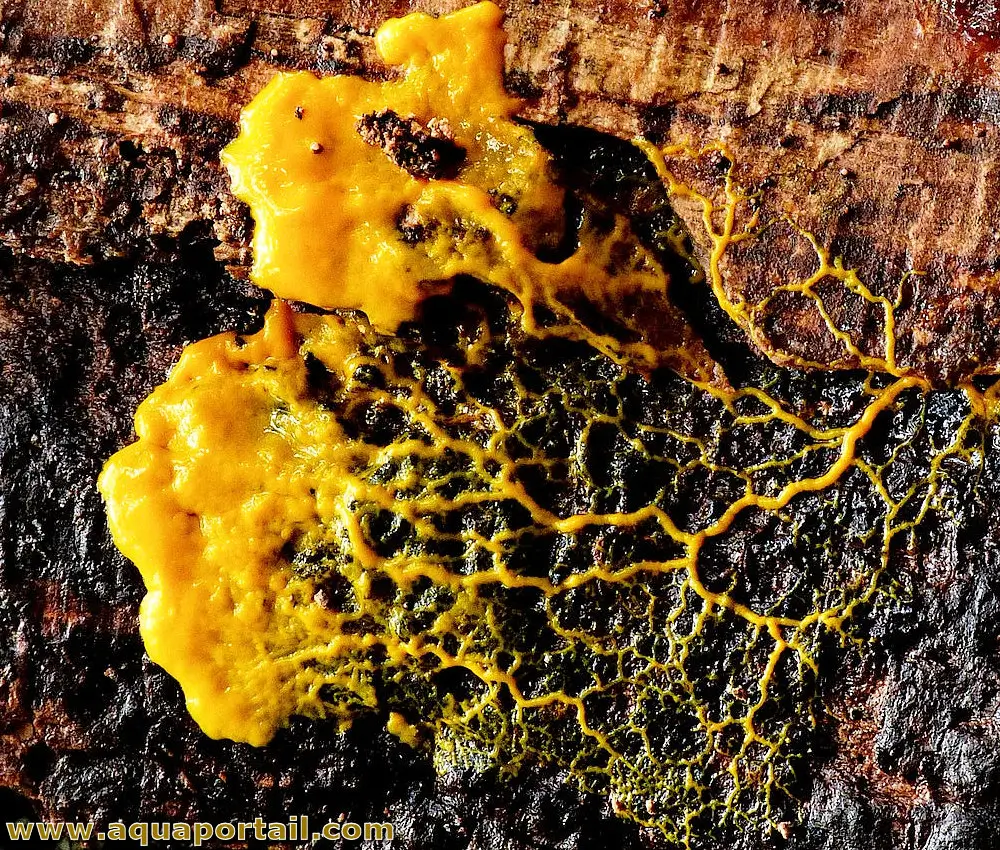
Despite its bright colors, the blob does not stand out much in nature. It has no eyes, no mouth, no nerve cells, and no brain.
Physarum polycephalum blobs, which in nature aggregate by the thousands to form a slime mold on dead wood, can share information about their environment via vein-like networks. While researchers have long known that collective slime molds can learn to avoid irritants, such as salt, they did not know how.
However, a recent study showed that a single blob actually absorbs a small amount of a potentially problematic substance and holds onto it as a memory. It then uses its vein-like networks to warn other cells to stay away. The organism can make relatively complex decisions regarding its feeding.
Formerly grouped with fungi, blobs of the genus Physarum are classified within the amoebozoans (Amoebozoa, class Myxomycetes, order Physarales).
A well-developed Physarum polycephalum blob:
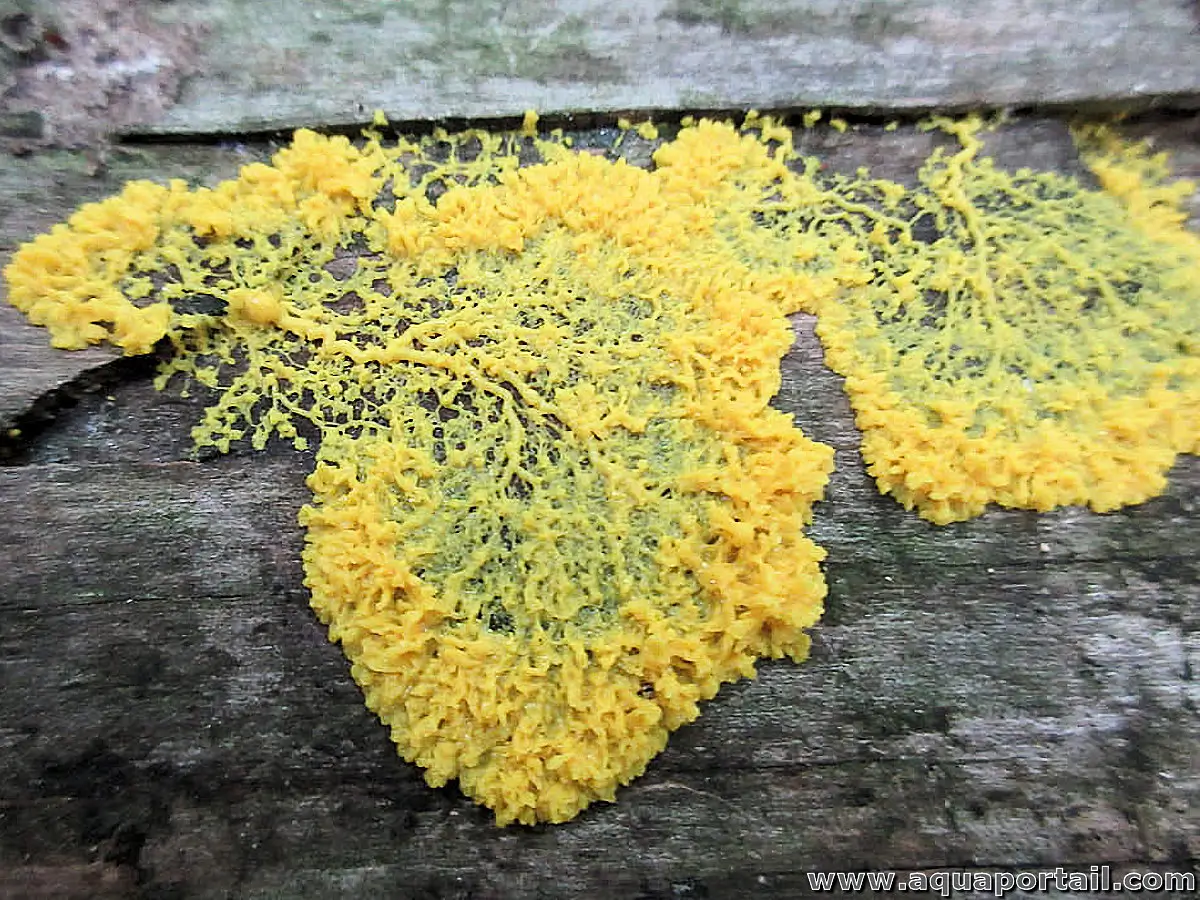
The blob Physarum polycephalum, even when appearing well developed, consists of just one single giant cell.
A blob leaves behind a trail when it leaves an area where it has fed.
Model organism in the laboratory
The blob Physarum polycephalum is used in the laboratory for various research areas, notably life cycles, mitosis, meiosis, sexual and asexual reproduction, cytoplasmic streaming, chemotaxis, locomotion, simple decision-making, survival mechanisms in stressful environments, cell structure, and developmental biology.
A culture of P. polycephalum (the blob):
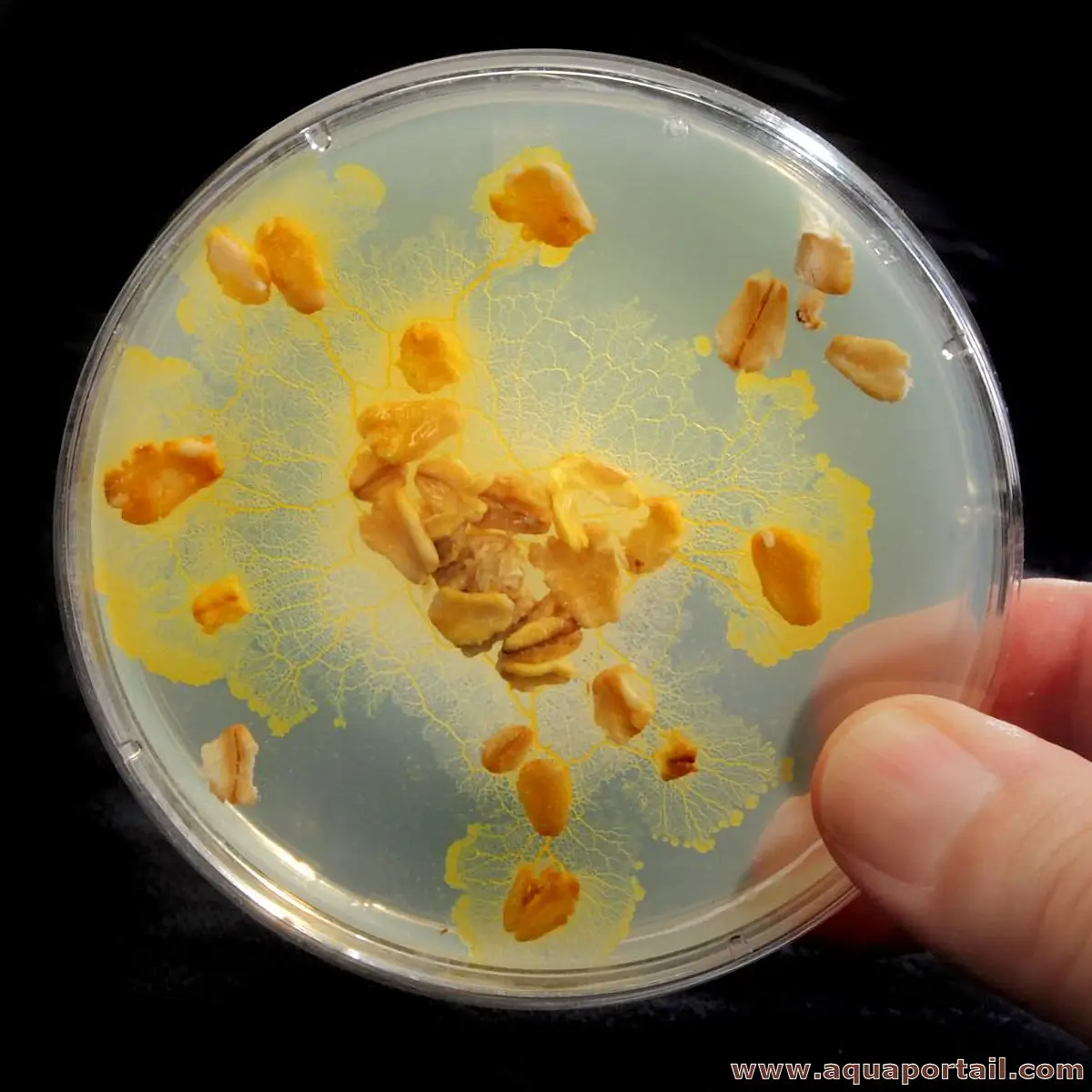
In the laboratory, the blob is grown in a Petri dish to study the unique features of this giant multinucleate cell. With a little care and attention, Physarum polycephalum is easy to culture.
In the plasmodial phase, the organism can grow very large and feed extensively. Building a maze makes it possible to test a Physarum plasmodium's ability to navigate through it or connect a food source at the start of the maze to a food source at the end using the shortest path. Depending on the materials making up the maze and ambient conditions, the plasmodium will sometimes cross over the maze walls.
Under stressful conditions, Physarum polycephalum enters a dormant form called a sclerotium. This makes it possible to test the effects of desiccation, solutions of various metals, cold and hot temperatures, pH changes, starvation in darkness, etc.
A blob's ability to navigate using relatively complex strategies to find food and form networks between different food sources has drawn the attention of researchers outside traditional fields of biological research, including those studying networks and artificial intelligence.
Life cycle of Physarum polycephalum
Over its life cycle, a Physarum polycephalum blob transitions through different forms, some haploid, others diploid, and some designed to protect the organism under harsh conditions. The organism's transition from one form to another is most often triggered by environmental conditions, notably the presence or absence of other Physarum blobs.
In the laboratory, a blob is most often observed in its diploid, plasmodial form. In its plasmodial form, Physarum polycephalum exists as a single large cell containing numerous diploid nuclei that replicate their DNA and divide synchronously. These single cells can become very large.
Life cycle diagram of a P. polycephalum blob:
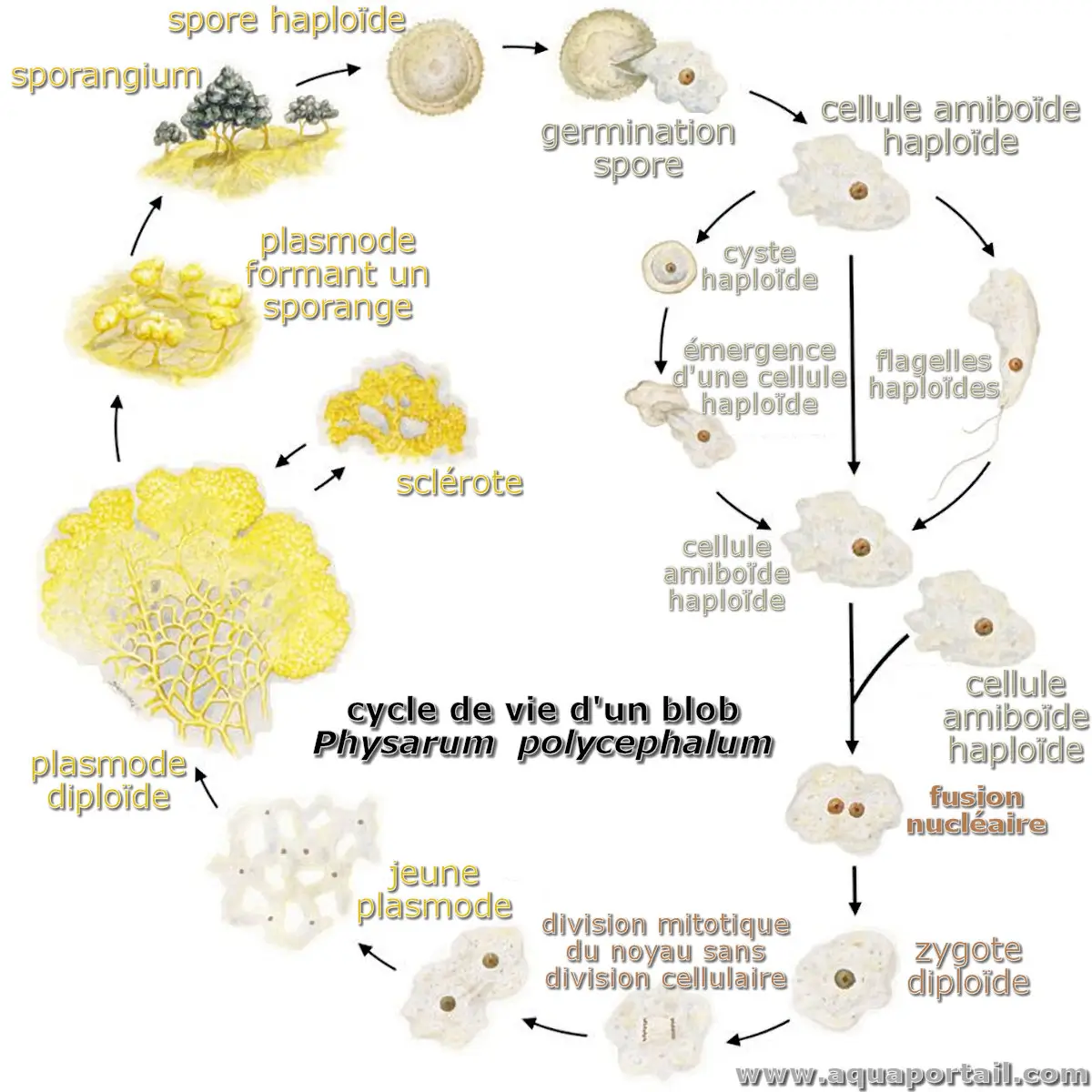
Diagram of the complete life cycle of a P. polycephalum blob.
When a blob plasmodium is starved and then exposed to light, it sporulates. In nature, the organism has been observed to sporulate after climbing out of leaf litter to a spot exposed to light. These tiny dark spores can survive for many years. Thus, spore formation is a way for the organism to ensure survival through harsh conditions until more favorable living conditions return. Sporulation is also the first step of sexual reproduction.
At the onset of sporulation, the organism forms fruiting bodies that initially appear as bumps emerging from the surface of the plasmodium. These bumps develop into stalk-like structures protruding from the plasmodium's surface. Viewed under a microscope, they are quite spectacular. A fully developed spore contains only a single haploid nucleus.
When sufficient moisture is present, single-nucleated haploid amoeboid cells emerge from the spores. Unlike in the plasmodial form, mitosis in the amoeboid form is accompanied by cell division. Repeated division of the amoeboid form of Physarum gives rise to a colony of genetically identical amoeboids.
The amoeboid can transform into 2 different forms: flagellates (cells with 2 flagella) or cysts. Transformations from amoeboid to flagellate and from amoeboid to cyst are both reversible. If an amoeboid lacks food or encounters other unfavorable conditions, such as drought, it forms a cyst with protective walls. When conditions become more favorable again, an amoeboid cell re-emerges from the cyst. Transformation into a flagellate occurs under wet conditions; flagellates will transform back into amoeboids under drier conditions. The amoeboid's ability to undergo these transformations enables the organism to survive a broader range of conditions than it otherwise could.
Genetic diversity is beneficial to the long-term survival of a species. As in most organisms, sexual reproduction is one of the mechanisms generating genetic diversity in Physarum polycephalum. Combining genetic material from 2 different organisms occurs when 2 haploid amoeboids fuse to form a single organism with one diploid nucleus. This single diploid cell then develops into a plasmodium. Mating between the 2 amoeboids is controlled by multiple multi-allelic mating loci.
Physarum polycephalum, when in amoeboid form, can respond to stress conditions by forming a cyst. In plasmodial form, Physarum responds to starvation and light by sporulating. However, if stress conditions occur in the absence of light, the plasmodium will form a sclerotium, a cluster of macrocysts (also called spherules) encased in a hard, dry protective layer. Sclerotia can form in response to a number of stimuli, including starvation, drought, cold, low pH, high osmotic pressure solutions, and exposure to certain heavy metals. Depending on conditions, a sclerotium can be revived back into the active form of the organism for months after its formation.
Feeding
Physarum in plasmodial form uses phagocytosis to ingest its food, consisting of small particles of organic matter, bacteria, and other microorganisms. It also secretes enzymes to break down materials, which are then absorbed via pinocytosis. While feeding, the plasmodial form of Physarum moves using slow locomotion.
The leading edge of the organism searching for food has a fan-shaped configuration. As the organism searches for and ingests food, cellular contents flow back and forth at intervals of about 60 seconds through a network of vein-like tubes. A single vein can measure up to 1 mm (0.04 in) in diameter, and the flow can be easily observed using a stereomicroscope. Absorbed material is distributed throughout the cell via this mechanism. The tube network reorganizes as the organism moves in search of food.
Periodic food flow is achieved by creating hydraulic pressure gradients. contraction of the actomyosin network within the plasmodium generates these pressure gradients. The actomyosin network is part of an extensive microfilament network present throughout the plasmodium. Several other proteins are associated with this network. As a group, these proteins are called actin-binding proteins (fimbrins, filamins, gelsolins, vinculins, tropomyosins, etc.) and play a role in carrying out the functions of the actomyosin network, including its reorganization.
The strategies used by the plasmodial form of Physarum to find food are remarkably complex. At a basic level, the organism detects food from a distance, senses when it is moving closer to or farther from it, and adjusts its movement based on the information it receives. This is a simple example of chemotaxis.
However, the organism possesses at least one additional strategy to optimize how it searches for food in an environment. When foraging, the plasmodium avoids areas it has already explored until it has covered all unexplored areas. This behavior is thought to increase foraging efficiency. This type of foraging strategy has long been observed and studied in more complex organisms equipped with an internal neurological memory that can be used to remember where the organism has been.
Yet Physarum polycephalum is a unicellular organism without a neural memory network. In the absence of neurological memory, the organism creates a form of external memory by leaving a slime trail in areas from which it retreats. The organism then strongly avoids areas with a slime trail until it has explored all areas free of slimy residue or until a new food source is placed in the mucus-covered area.
Furthermore, as part of its foraging behavior, Physarum can form networks connecting multiple food sources. These networks are comparable in efficiency to those created by humans. For example, a research group interested in network cost, efficiency, and resilience hypothesized that a biological organism such as P. polycephalum, whose network-forming strategies have been honed by years of natural selection, could serve as a valuable source of inspiration for designing networks that optimally balance these 3 characteristics.
Synonyms, antonyms
Spanish translation: moho mucilaginoso
2 synonyms (similar meaning) for "blob":
- Physarum polycephalum
- slime mold
0 antonyms (opposite meaning).
Related words and expressions to BLOB are directly connected by general or specific meaning.
The word BLOB is listed on page 1 of words starting with B in the dictionary glossary.
Related to "blob"
bacterial artificial chromosome
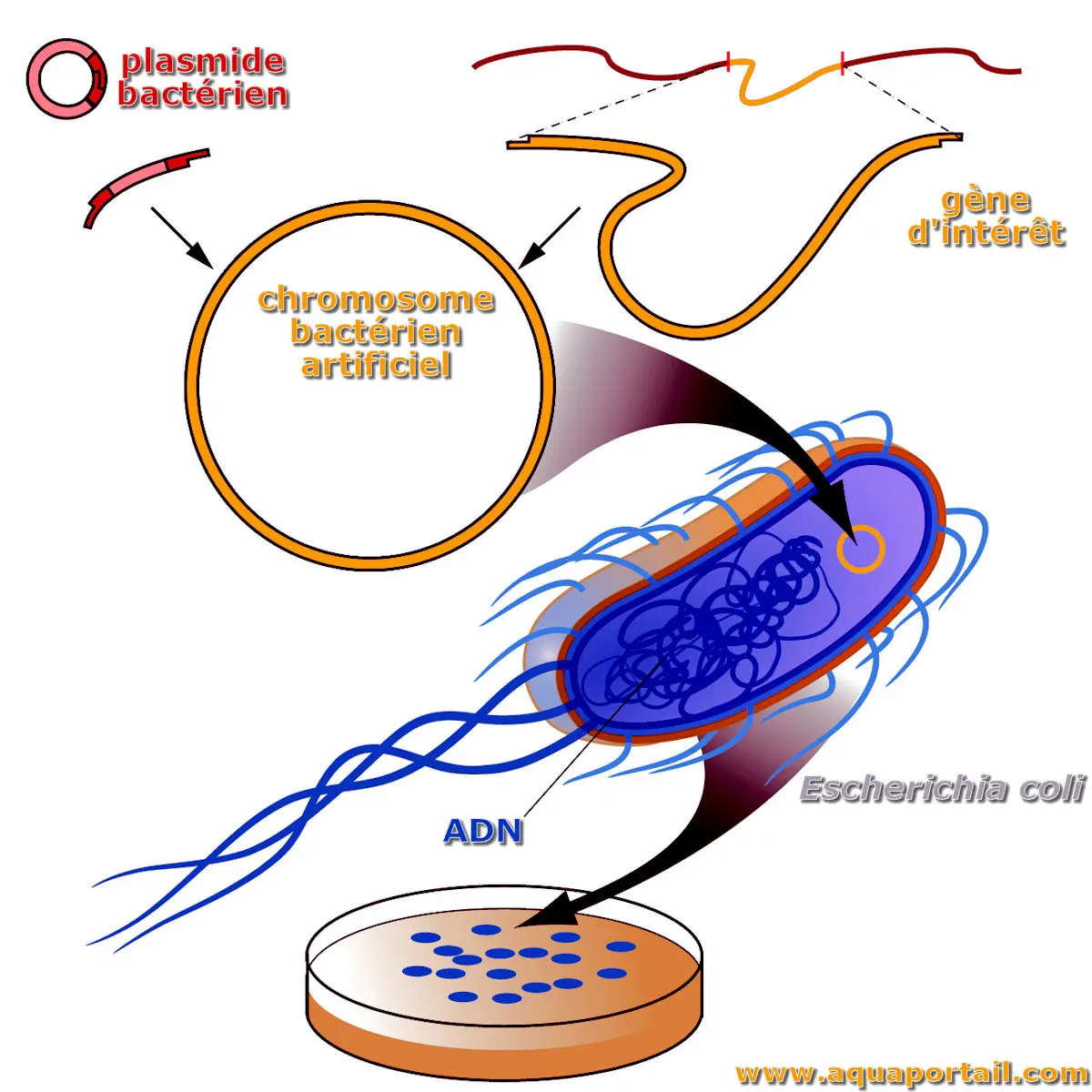
A bacterial artificial chromosome (BAC) is a DNA construct, based on a functional fertility plasmid or F-factor, used for transformation and bacterial cloning...
bacteriochlorophyll

A bacteriochlorophyll (BChl) is a pigment of photosynthetic eubacteria other than cyanobacteria, yet containing chlorophyll and able to carry...
bacteriorhodopsin
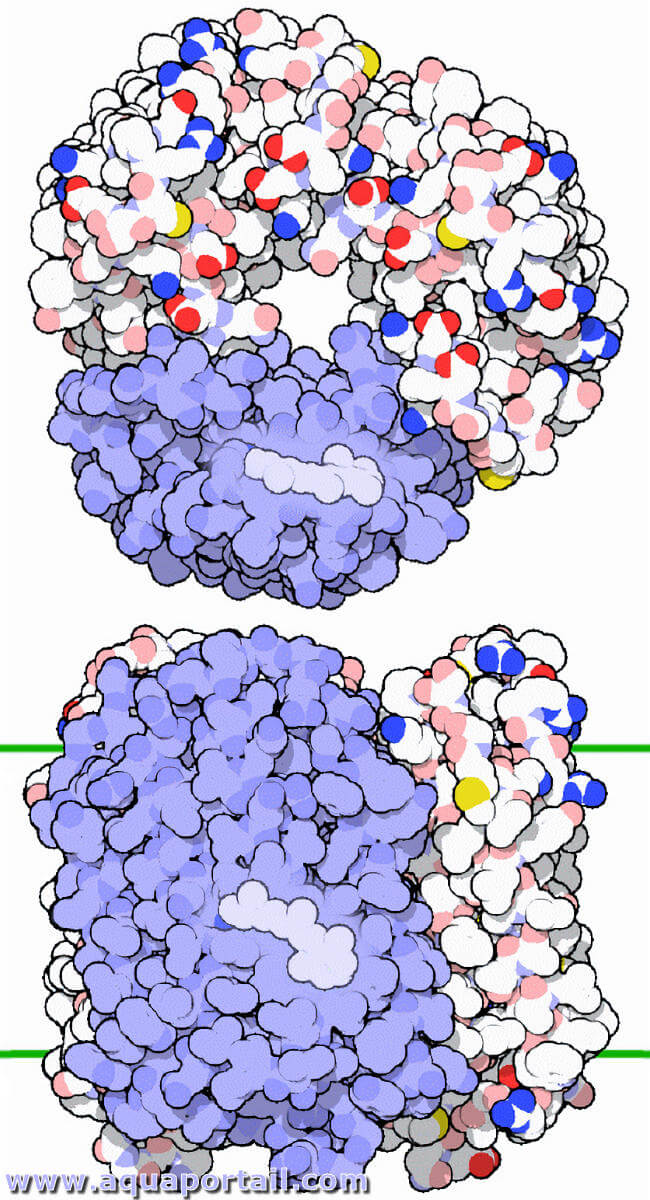
Bacteriorhodopsin (or proteorhodopsin) is a pigment of extreme halophilic photosynthetic archaebacteria.
bacterium

A bacterium is a unicellular prokaryotic microorganism, primarily round, spiral, or rod-shaped, that generally lives in soil, water, organic matter...
