Asexual
adjective (adj.)
Definition
In biology, in contrast to sexual, asexual describes a mode of reproduction that involves neither sexual organs nor gamete-type cells, such as ova and spermatozoa. Asexual reproduction is thus a reproductive mode that does not involve cell fertilization, fusion of gametes, or reproductive cells.
Asexual multiplication of a cnidarian :

Asexual development in a cnidarian can occur through various processes. Here, budding, strobilation, and spontaneous fission are compared.
Explanations
In human psychology, an asexual human being is an individual who experiences no sexual attraction.
In botany, in the case of plants, asexual reproduction is also called vegetative growth or vegetative propagation. In the case of budding in animals (such as tunicates, for example), modes of asexual multiplication are likened to divisions of the organism by fission.
An asexual species lacks a functional reproductive system or reproductive tract, possessing no sexual reproductive organs or gonads. It underpins the principles of asexuality (in the biological rather than psychological sense).
This term may be used to describe unusual cases of reproduction in certain sexual species, such as vegetative propagation and virgin reproduction. It may occur in parthenogenesis among certain microorganisms.
Synonyms, antonyms
Spanish translation: asexual
4 synonyms (similar meaning) for "asexual":
1 antonym (opposite meaning):
Related words and expressions to ASEXUAL are directly connected by general or specific meaning.
The word ASEXUAL is listed on page 1 of words starting with A in the dictionary glossary.
Related to "asexual"
abiotic

In biology and ecology, abiotic refers to what is not biotic, that is, not part of living beings.
aboral

Aboral refers to what is situated away from or opposite the mouth in zoology, and especially in marine biology.
absence

Absence refers to non-presence at an expected location, or the complete non-existence of something.
acetyltransferase
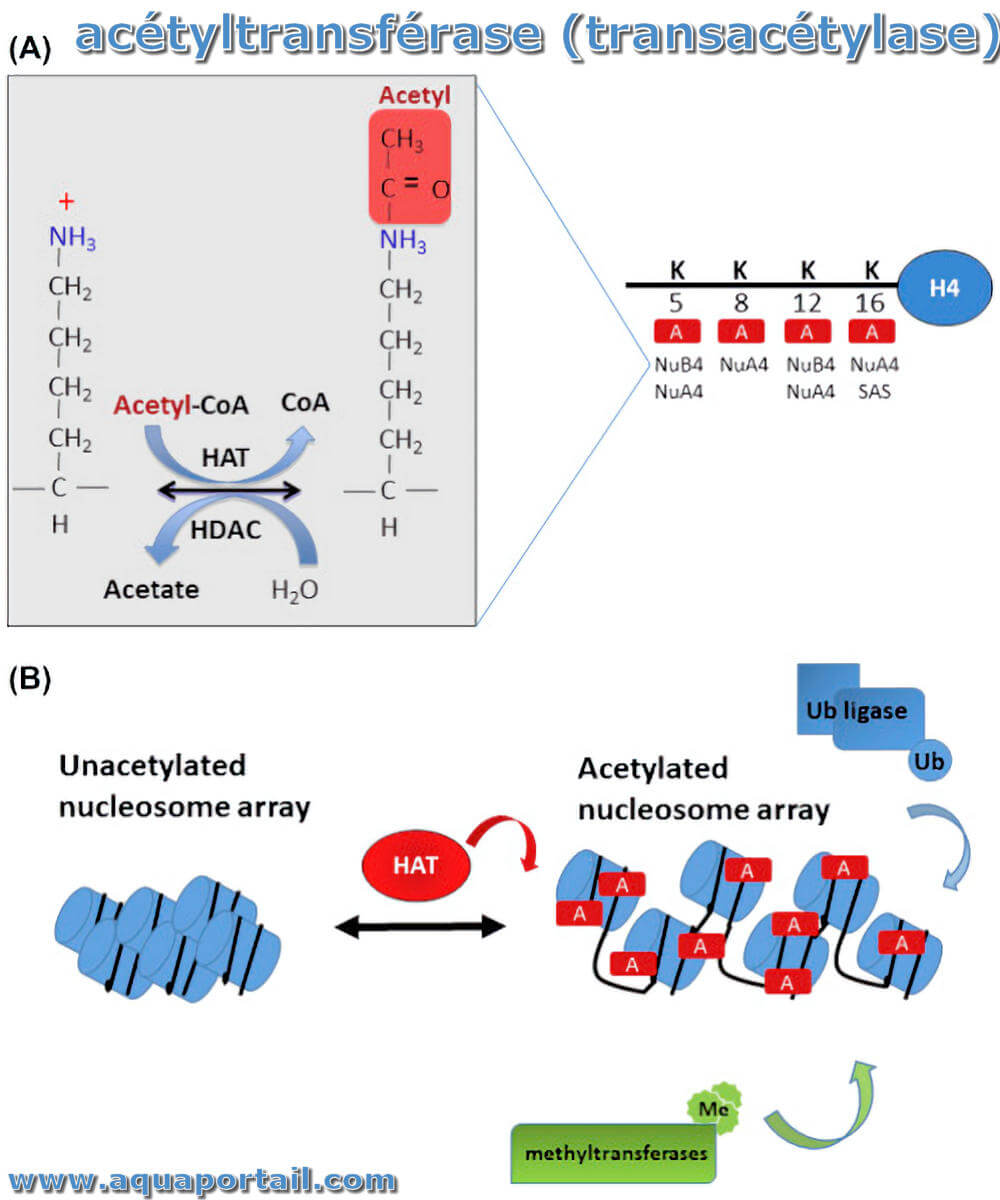
An acetyltransferase is an enzyme that transfers an acetyl group from acetyl-CoA to lysine amino acids.
