Budding
noun (n.)
Definition
Budding describes asexual reproduction through the formation of propagules, free buds, that is, starting from an outgrowth of the parent cell (mother cell), whose development gives rise to a daughter cell. Budding occurs in various organisms and can lead to growth, vegetative propagation, and generative propagation.A plant bud results from budding:

In trees, budding consists of the production of buds. Plants form terminal buds, lateral buds, leaf buds, and flower buds, which give rise to new shoots and flowers when they emerge.
In botany
In higher plants, botanical budding consists of the formation of buds on a plant. Certain plants produce turions for winter survival; these turions result from a form of budding.
More specifically in bryophytes, it denotes the formation of propagules.
Fungi belonging to the order Taphrinales of the ascomycetes form ascospores that multiply by budding.
In agriculture and horticulture, budding consists of grafting a bud from one plant onto another.
In biology
In unicellular organisms, it refers to the mode of asexual multiplication by individualization of an evagination that eventually detaches. In invertebrates, it becomes the mode of asexual multiplication through the formation of an outgrowth from the parent organism until a new individual is formed. If the latter does not detach, a colony is obtained (sponges, cnidarians). It is synonymous with gemmiparity and blastogenesis in this case. See also polypoid budding and medusoid budding.
Budding is a type of asexual reproduction. It is an unequal division; it consists of the formation of prominences on the precursor individual, and as they grow and develop, they create new beings that may separate from the parent organism or remain attached to it, thereby initiating a colony. At the unicellular level, it is an asymmetric mitosis process occurring in certain unicellular organisms, such as yeasts.
In unicellular organisms, a bulge called a bud forms on a specific part of the plasma membrane. The nucleus of the progenitor cell divides and one of the daughter nuclei passes into the bud. Under favorable conditions, the bud can simultaneously produce another bud before separating from the progenitor cell.
⭐ The most common method of multiplication in bacteria is binary fission. Planctomycetes multiply by budding. This is an order of obligate aerobic bacteria found in brackish, marine, and freshwater environments.
The budding process is common in sponges Porifera, cnidarians, and bryozoans. Some animal species can exhibit internal budding, buds that survive unfavorable conditions thanks to a protective casing. In freshwater sponges, gemmules have a protective capsule containing a reserve substance inside. When spring arrives, the protective capsule is shed and the new sponge emerges from the gemmule. In freshwater bryozoans, a layer of chitin and calcium is produced (statoblast) and requires no reserve substance because it is in a dormant state.
✅ Endopolygeny is the division into several organisms at once through internal budding.
It is also a mode of release for a virus that wraps itself in a lipid envelope to exit across a membrane, the plasma membrane, of an animal host cell.
✅ Polypoid budding, like medusoid budding, consists of asexual reproduction in a hydrozoan that gives rise to a new polyp. The resulting polyp has the same genetic heritage as the parent polyp.
In virology
In virology, budding is a form of viral shedding by which enveloped viruses acquire their outer envelope from the host cell membrane, which bulges outward and encloses the virion.
Balance of advantages/disadvantages
The advantage of budding over sexual reproduction is enabling a species to colonize an environment that multiplies relatively rapidly. The disadvantages of this reproduction are linked to the lack of genetic recombination and, consequently, lower genetic variability within the population and limited adaptability of the species to changing environmental conditions.
Synonyms, antonyms
Spanish translation: gemación
1 synonym (similar meaning) for "budding":
0 antonyms (opposite meaning).
Related words and expressions to BUDDING are directly connected by general or specific meaning.
The word BUDDING is listed on page 1 of words starting with B in the dictionary glossary.
Related to "budding"
disbudding
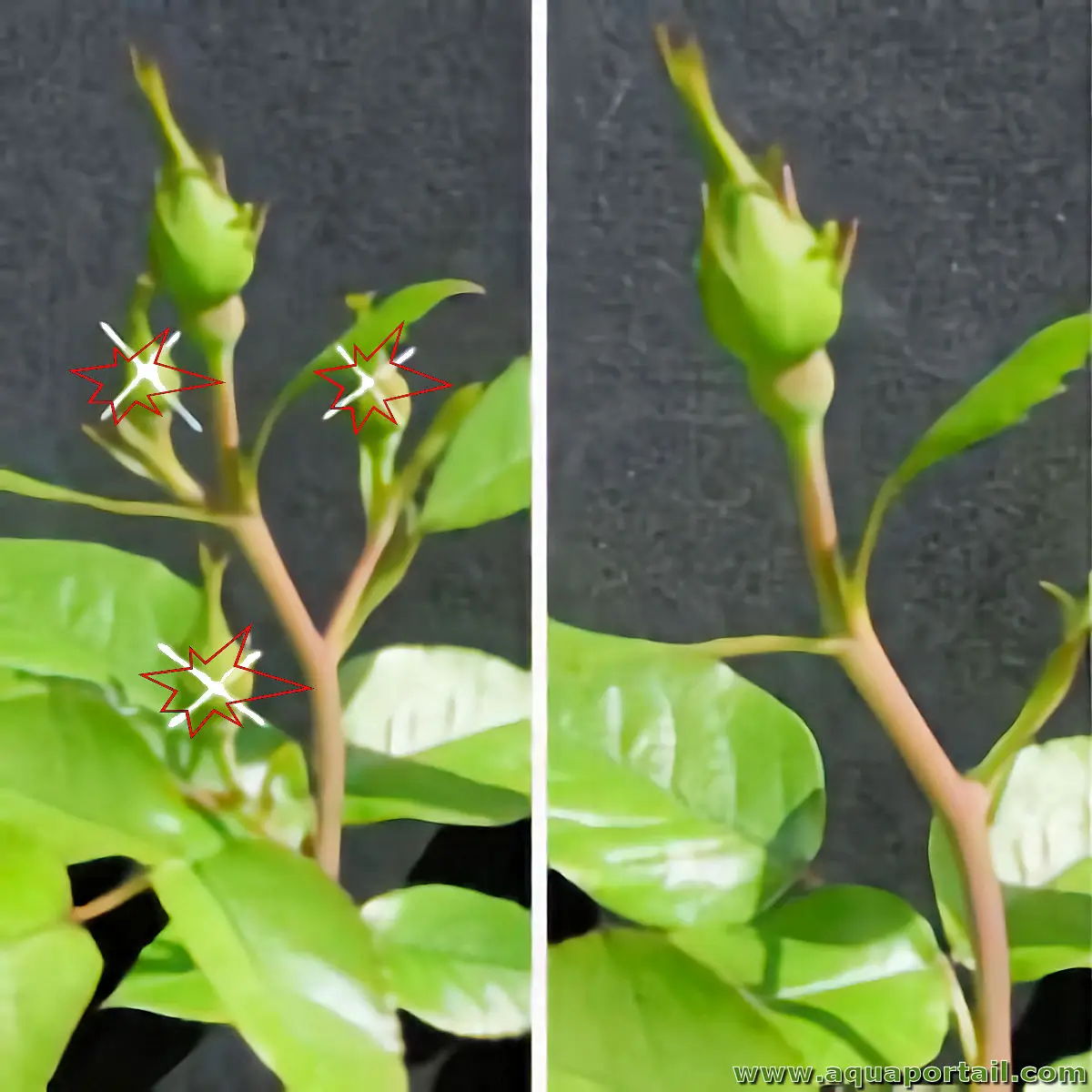
Disbudding is the process of removing young lateral buds to leave only the terminal bud. The goal is to direct the plant's energy toward developing a single...
bacterial artificial chromosome

A bacterial artificial chromosome (BAC) is a DNA construct, based on a functional fertility plasmid or F-factor, used for transformation and bacterial cloning...
bacteriochlorophyll

A bacteriochlorophyll (BChl) is a pigment of photosynthetic eubacteria other than cyanobacteria, yet containing chlorophyll and able to carry...
bacteriorhodopsin
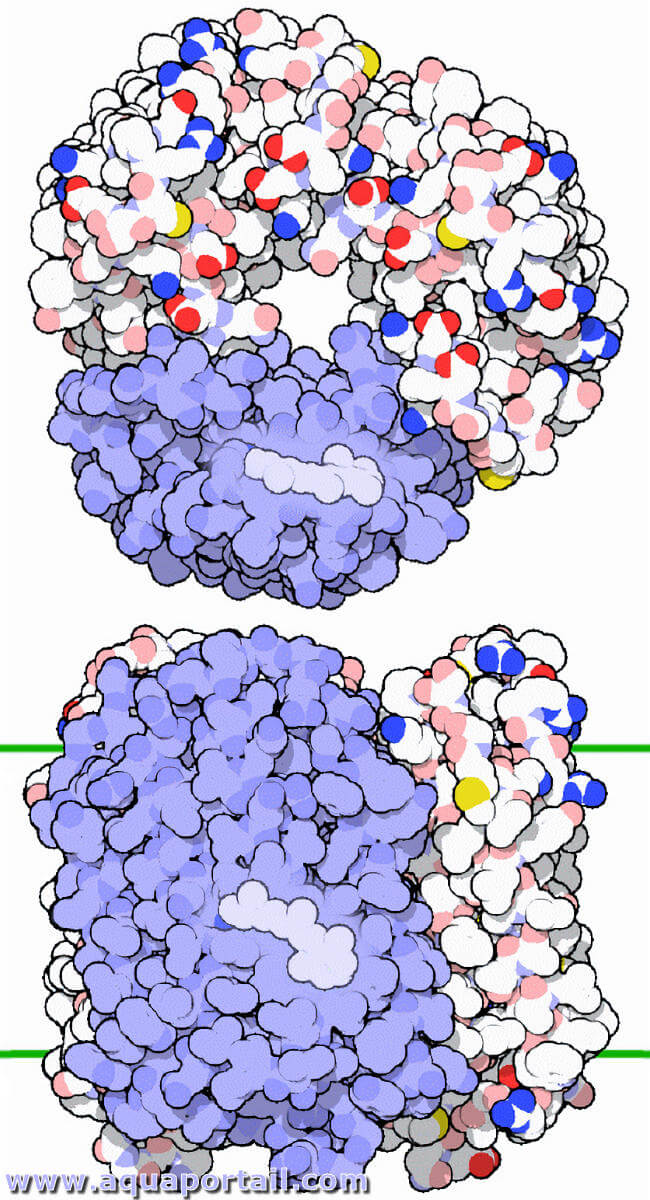
Bacteriorhodopsin (or proteorhodopsin) is a pigment of extreme halophilic photosynthetic archaebacteria.
