Building blocks of life
plural noun (n.pl.)
Definition
The building blocks of life are small organic molecules whose assembly enabled the emergence of the first living beings. Genes contain the information for these elementary building blocks.
The 4 main families of the building blocks of life are amino acids (and nucleotides), nitrogenous bases, carbohydrates, and lipids.
Cultures of Prochlorococcus and Synechococcus:

The cyanobacteria Prochlorococcus and Synechococcus have the structural integrity of a building block of life with the ability to self-replicate and grow.
Explanations
Genes are in a way information silos where protein blueprints are stored. They come in different lengths. Some consist of only 11 units, others no fewer than 2.4 million of these "cinder blocks." The sequence of the four "blocks" A, C, T, G is the code according to which the cell manufactures the appropriate protein.
✅ By analogy, a simple combination of sand, gelatin, and bacteria produced "living bricks" that match the strength of cement-based mortar and could one day reduce demand for cement, the world's carbon-intensive construction material of choice. These living bricks can even reproduce - if a brick is cut in half, within a few days there are two complete bricks.
Normally, one should not confuse a brick with a living being. After all, a brick will never reproduce or heal itself like a biological organism. But what if you could take the physical resilience and structural integrity of a brick and combine them with a living organism, to form a building block with the ability to self-replicate and grow? Perhaps such a brick could eliminate the need for energy- and carbon-intensive kilns or chemical processes normally used to manufacture them.
Related to "building blocks of life"
bacterial artificial chromosome

A bacterial artificial chromosome (BAC) is a DNA construct, based on a functional fertility plasmid or F-factor, used for transformation and bacterial cloning...
bacteriochlorophyll

A bacteriochlorophyll (BChl) is a pigment of photosynthetic eubacteria other than cyanobacteria, yet containing chlorophyll and able to carry...
bacteriorhodopsin
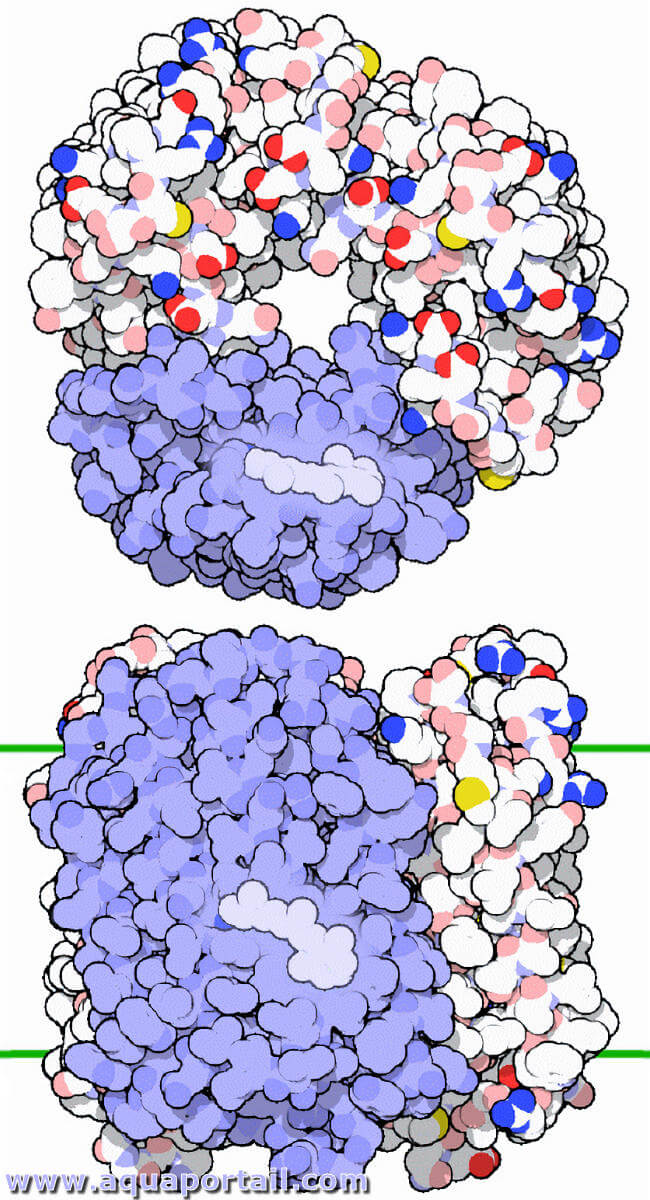
Bacteriorhodopsin (or proteorhodopsin) is a pigment of extreme halophilic photosynthetic archaebacteria.
bacterium

A bacterium is a unicellular prokaryotic microorganism, primarily round, spiral, or rod-shaped, that generally lives in soil, water, organic matter...
