Buttercup
noun (n.)
Definition
A buttercup is a member of the Ranunculaceae family, often a terrestrial or aquatic plant of the genus Ranunculus whose petals are very glossy, especially in yellow species. Buttercups usually bloom in spring, though flowers may be found during summer, particularly where the plants grow as opportunistic colonizers, such as garden weeds. The creeping buttercup is a wild buttercup, frequently considered an invasive species. There are about 400 species of buttercups.
Buttercups are always very colorful:
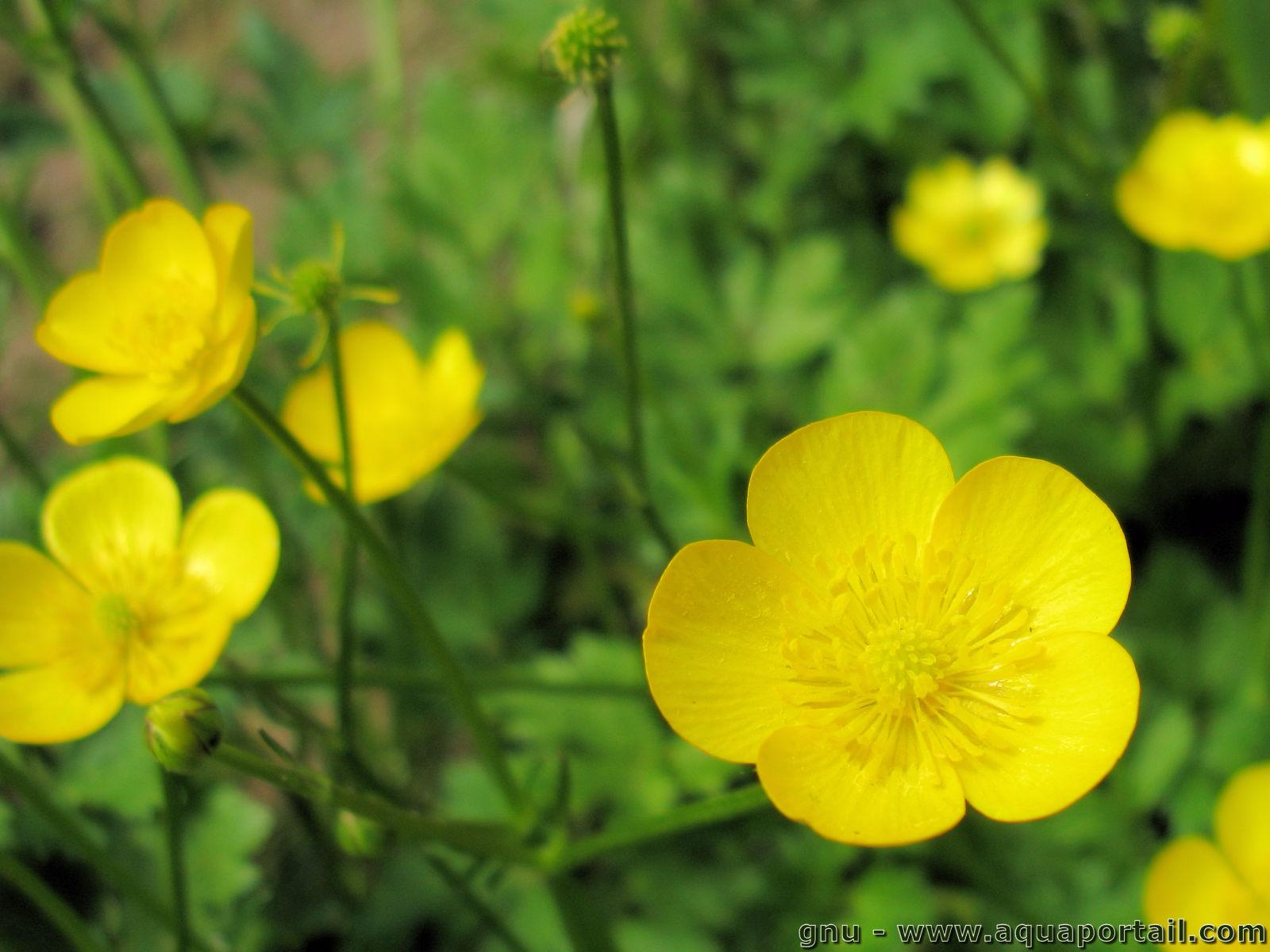
The buttercup Ranunculus repens is called creeping buttercup for the color and shape of its bright yellow flowers.
Explanations
Water crowfoots (Ranunculus of the subgenus Batrachium), which grow in stagnant water, are sometimes treated in the distinct genus Batrachium, clearly referring to batrachians such as frogs. Water crowfoots have two different types of leaves: thread-like submerged leaves and broader floating ones. In some species, such as R. aquatilis, a third intermediate leaf type is produced.
A horticultural buttercup:

Horticultural varieties of buttercup flowers are highly prized in gardens for their colors, often orange.
Some species are popular ornamental flowers in horticulture, with many cultivars selected for their large, brightly colored blooms, which are very attractive as cut flowers.
Multicolored buttercups:

In gardening, buttercups can be mixed in several colors, forming beds of multicolored plants. These can be cut to make flower bouquets, and afterward dried to preserve them.
✅ Buttercups are used as food plants by the larvae of certain Lepidoptera. ⛔ When a buttercup (notably the creeping buttercup) is chewed or crushed, the chemical substance ranunculin breaks down into protoanemonin, which is toxic to dogs when ingested and can also cause skin irritation upon contact. Because the oil in the plant causes painful blisters in the mouth and on the tongue, most dogs will not eat enough for it to be fatal. However, it is important to note that initial symptoms can be severe for older dogs or puppies. In fact, it can be dangerous for any dog without treatment due to dehydration or infection.
⭐ Buttercups are closely related to other flowering plants such as hellebores. ✅ The botanical genus name Ranunculus derives from the Latin word meaning "frog," either because many species thrive particularly in damp places (where frogs live) or because of their tadpole-shaped fruits.
Buttercup species grow as annual or perennial herbaceous plants. Most species develop terrestrially, some as marsh plants, and fewer as flood-tolerant plants. Depending on the species, tuberous storage roots, rhizomes, stolons, or a bulbous stem base may be formed. The erect, ascending to prostrate stems, rarely flooding, are generally leafy.
The mainly alternate leaves, both basal and distributed along the stem, may be petiolate. Rarely, the uppermost pair of leaves is opposite. The petiole has a leaf sheath at its base. The leaf blade may be undivided, usually more or less deeply divided. The leaf margin is smooth, notched, toothed, or serrated.
The flowers are solitary or two to fifty in cymose inflorescences 1 to 25 cm (0.4 to 10 in) in diameter, simple or branched, terminal or lateral. Small to large leaf-like bracts may be present. The hermaphroditic flowers are radially symmetrical.
Synonyms, antonyms
Spanish translation: ranúnculo
2 synonyms (similar meaning) for "buttercup":
0 antonyms (opposite meaning).
Related words and expressions to BUTTERCUP are directly connected by general or specific meaning.
The word BUTTERCUP is listed on page 1 of words starting with B in the dictionary glossary.
Related to "buttercup"
bacterial artificial chromosome
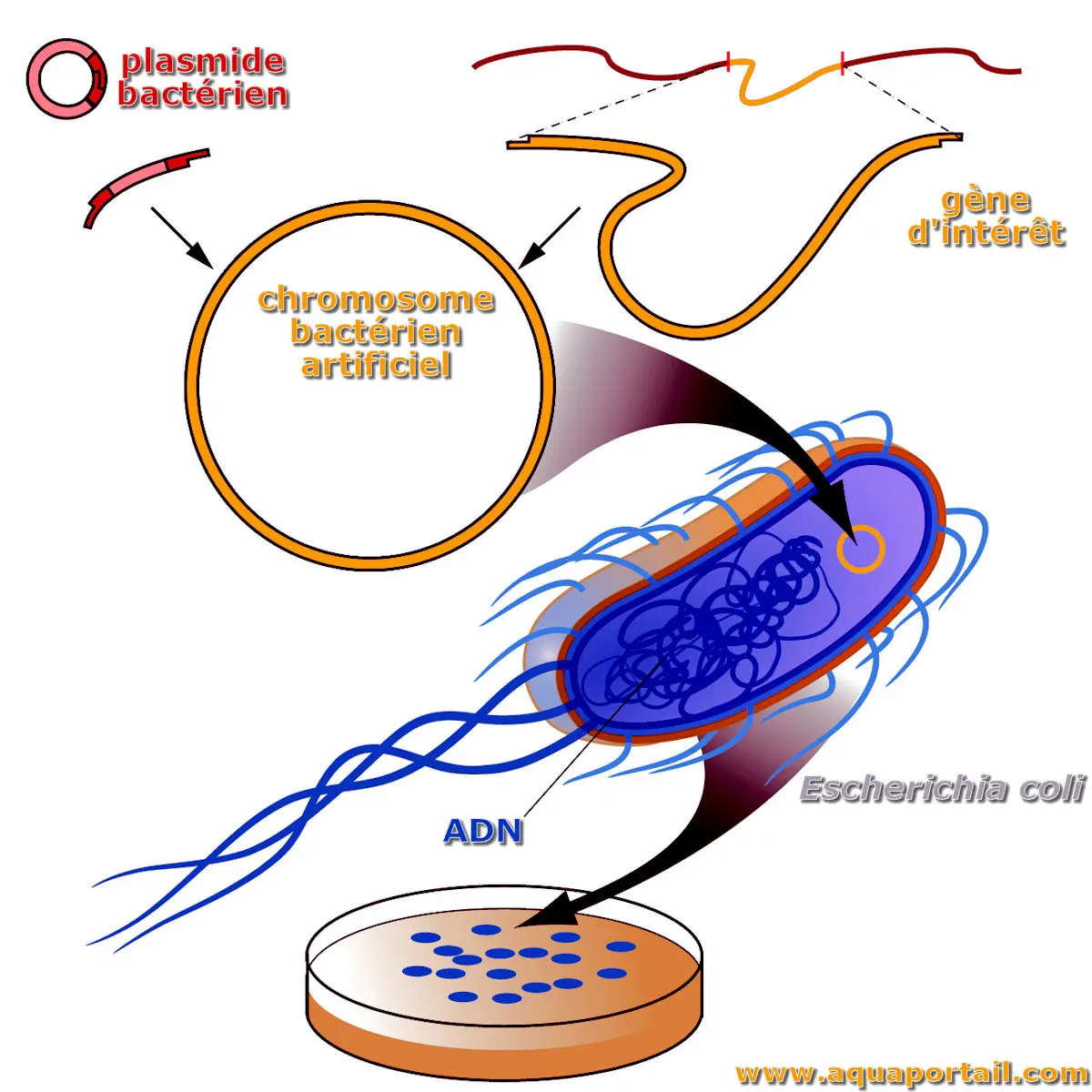
A bacterial artificial chromosome (BAC) is a DNA construct, based on a functional fertility plasmid or F-factor, used for transformation and bacterial cloning...
bacteriochlorophyll

A bacteriochlorophyll (BChl) is a pigment of photosynthetic eubacteria other than cyanobacteria, yet containing chlorophyll and able to carry...
bacteriorhodopsin
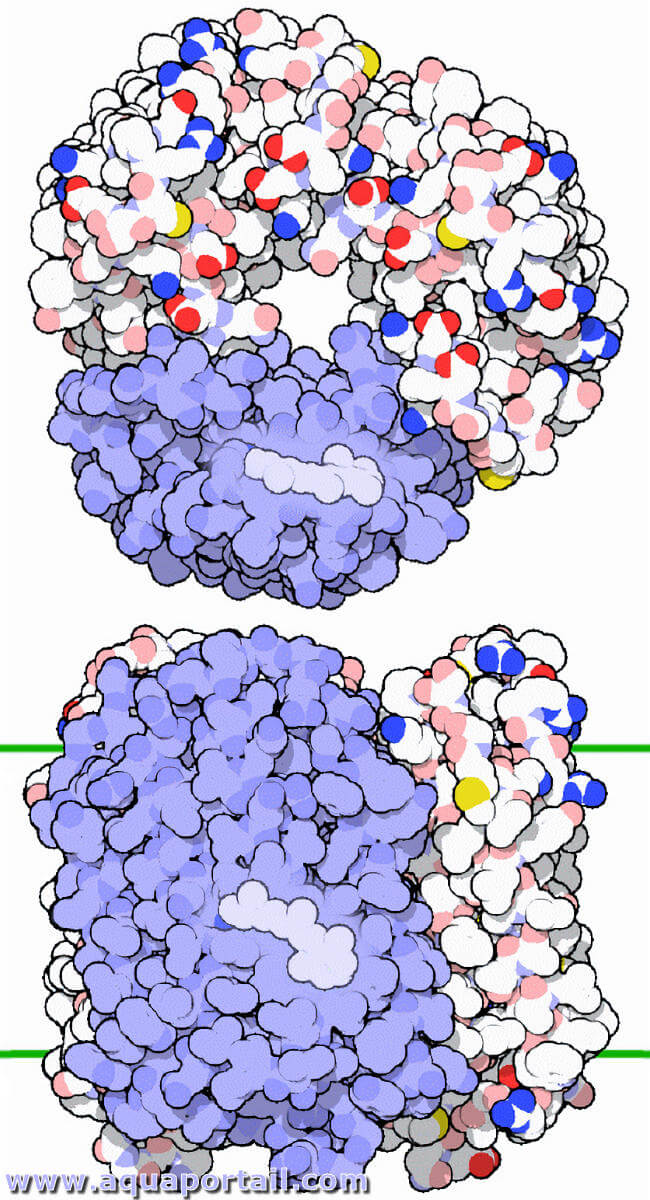
Bacteriorhodopsin (or proteorhodopsin) is a pigment of extreme halophilic photosynthetic archaebacteria.
bacterium

A bacterium is a unicellular prokaryotic microorganism, primarily round, spiral, or rod-shaped, that generally lives in soil, water, organic matter...
