Asparagine
noun (n.)
Definition
Asparagine is an amino acid (non-essential in humans) that enters into the constitution of proteins in living organisms. It plays an important role in the biosynthesis of glycoproteins and other proteins. Asparagine is a beta-amido derivative of aspartic acid, which is a metabolic precursor of aspartate. Sometimes, asparagine serves as a non-toxic carrier of residual ammonia to be eliminated from the body.The acids derived from asparagine and glutamine:
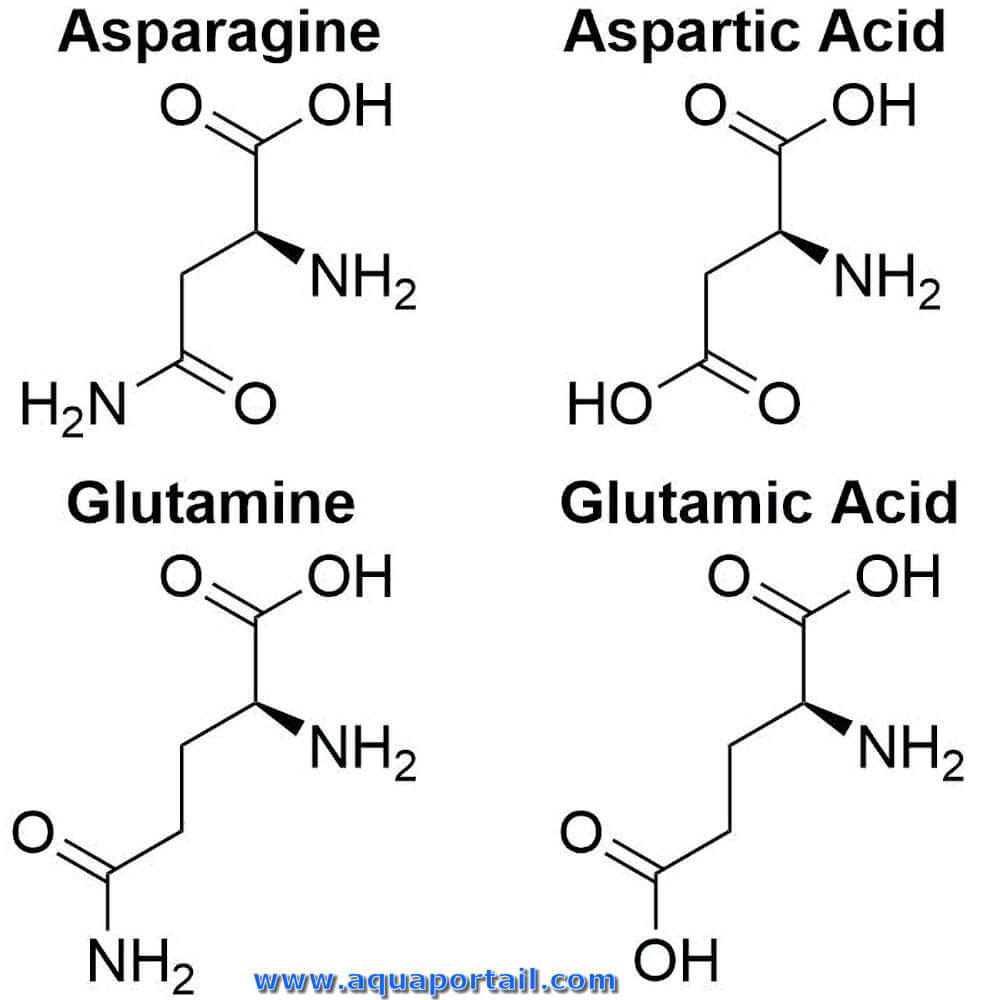
There are four amino acids inherently linked by the similarity of their structures, and unsurprisingly, the stories behind their names are just as connected. This refers of course to the compounds bearing carboxylic acid and primary amide side chains: asparagine, aspartic acid, glutamine, and glutamic acid.
Explanations
In plants, asparagine is the transport and storage form of nitrogen. The corresponding codons are: AAU, AAC. The structural formula is: H2N-CO-CH2-CH(NH2)-COOH. An asparaginase is an enzyme that catalyzes the hydrolysis of asparagine into aspartic acid and ammonia.
Asparagine was the first amino acid to be discovered, though it is unknown whether it was the first to be named. Asparagine was first reported in 1806 by the French chemists Vauquelin and Robiquet, who found that numerous crystals had formed during an extraction from asparagus shoots they had left standing. Robiquet noted that two of these crystals belonged to a previously unknown substance, which he deduced from the shape and transparency of the crystals... and their taste! Granted, that was over 200 years ago and they had obtained the substance from asparagus, yet the safety-conscious part of my laboratory brain is still horrified that taste-testing was a fairly standard practice.
However, in that 1806 report, the new compound was not named. The earliest known use of the word "asparagine" comes from an analysis of asparagus root chemistry by Pierre Louis Dulong in 1826. Dulong explains that one of his goals had been to see if he could isolate the substance Vauquelin and Robiquet had found in the shoots, which they "had designated under the name asparagine". It appears that by 1826 the name was in reasonably common use and clearly attributed to its discoverers, yet the exact moment over the preceding 20 years when the name was decided remains a mystery. What makes this noteworthy is that it casts doubt on the identity of the first amino acid to be named. Asparagine is one candidate, while the other is leucine. Leucine was discovered in 1819 and a year later given its (initially provisional) name from the Greek word leukos, meaning "white". Incidentally, anyone who has spent time in an organic chemistry laboratory will tell you that naming a compound after the fact that it is a white powder will never be a sustainable system! Nevertheless, even without the original source for the name asparagine, we can safely say that the root of the word is "asparagus".
Synonyms, antonyms
Spanish translation: asparagina
0 synonyms (similar meaning) for "asparagine".
0 antonyms (opposite meaning).
Related words and expressions to ASPARAGINE are directly connected by general or specific meaning.
The word ASPARAGINE is listed on page 1 of words starting with A in the dictionary glossary.
Related to "asparagine"
abiotic

In biology and ecology, abiotic refers to what is not biotic, that is, not part of living beings.
aboral

Aboral refers to what is situated away from or opposite the mouth in zoology, and especially in marine biology.
absence

Absence refers to non-presence at an expected location, or the complete non-existence of something.
acetyltransferase
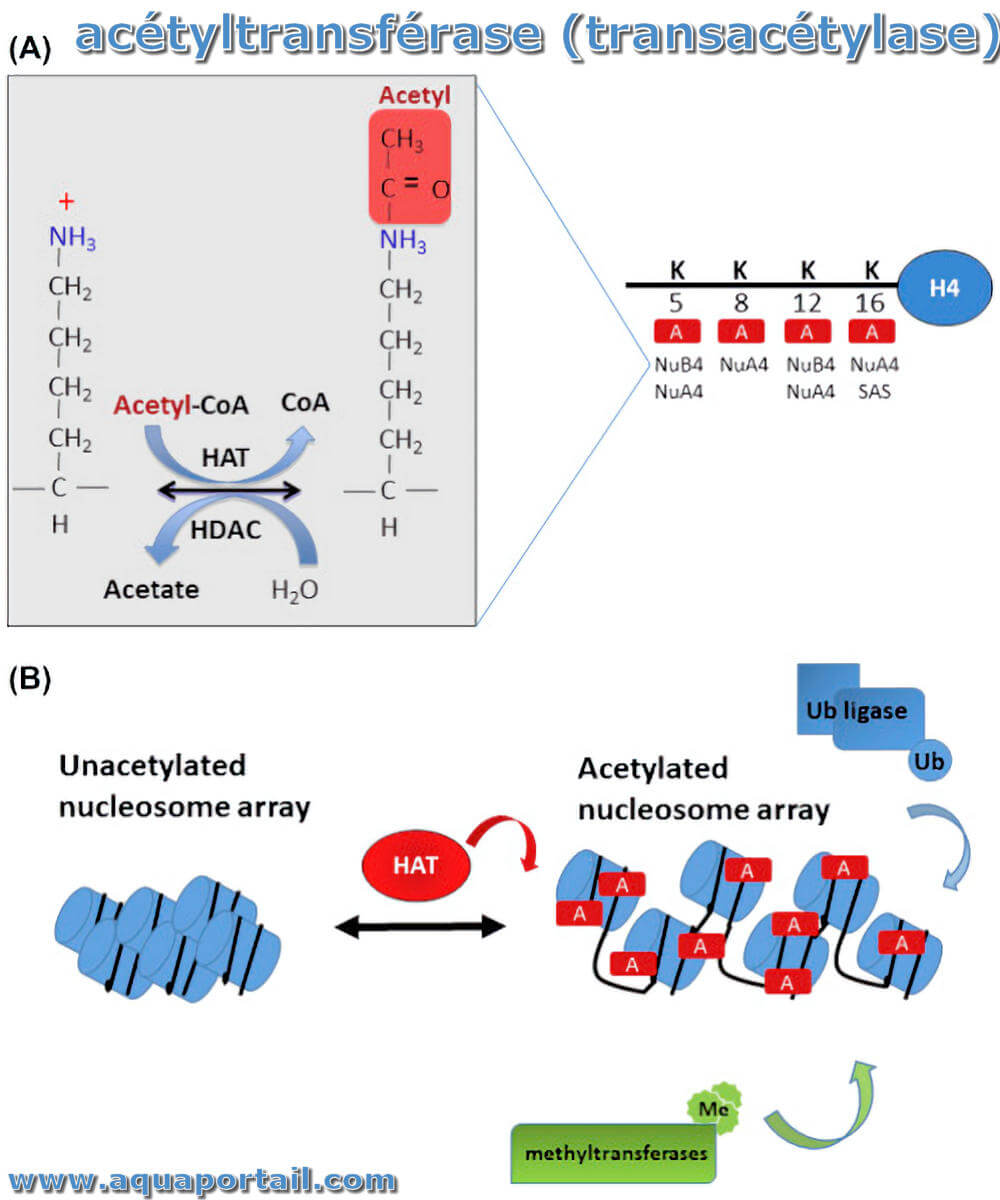
An acetyltransferase is an enzyme that transfers an acetyl group from acetyl-CoA to lysine amino acids.
