Bisphenol
noun (n.)
Definition
A bisphenol is an organic chemical compound comprising two linked phenol (hydroxyphenyl) groups, such as bisphenol A (or antimicrobial derivatives like hexachlorophene).
Bisphenol A is a chemical manufactured in large quantities primarily for the production of polycarbonate plastics. It is found in various products, notably shatterproof windows, water bottles, and epoxy resins lining certain metal food cans, bottle caps, and water supply pipes.
Bisphenol A:
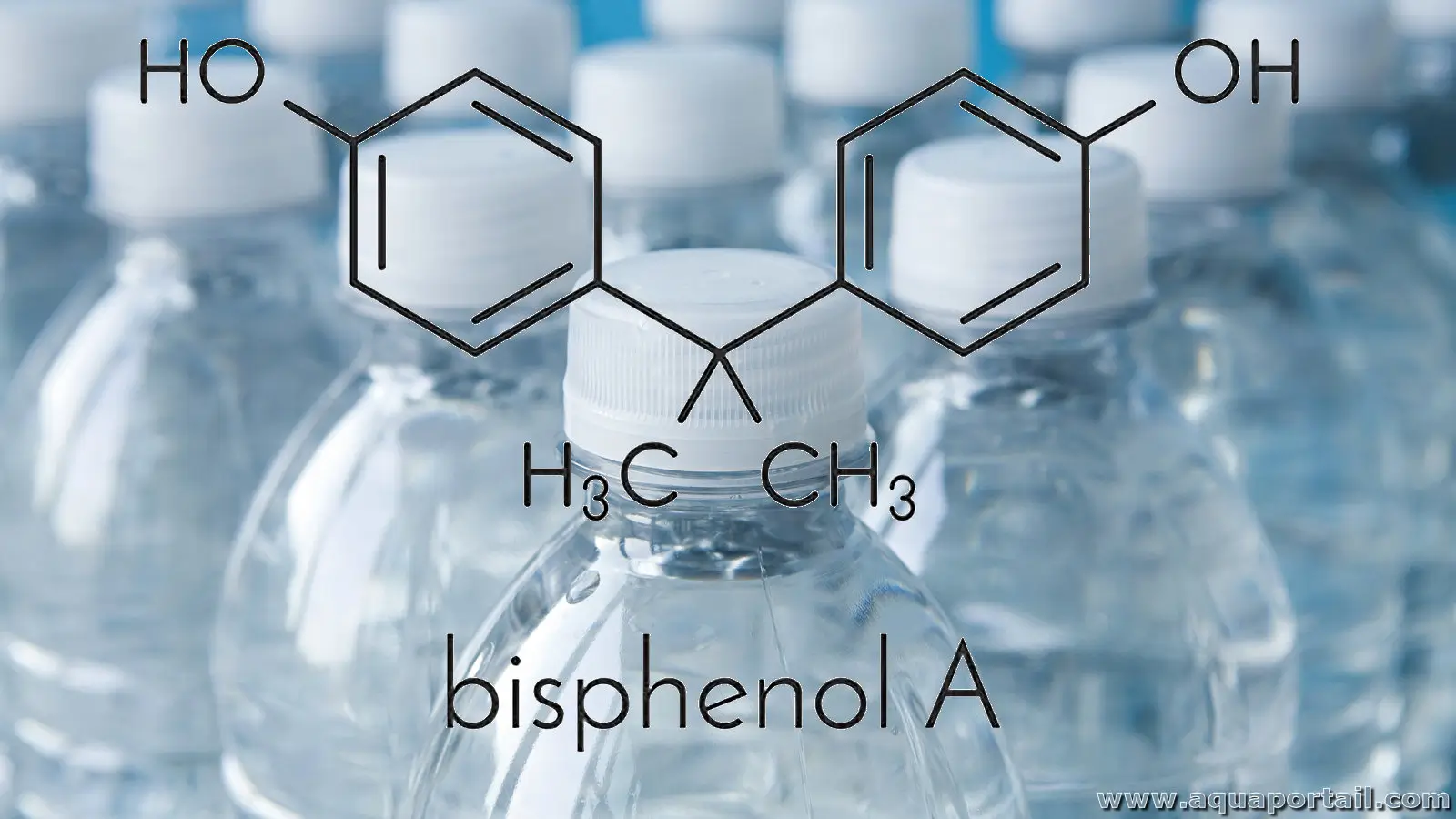
The plastic additive bisphenol A does not truly pose a threat, according to several studies showing that it does not live up to its bad reputation. Water bottles and other products containing BPA do not make people sick.
Explanations
Bisphenols accumulate insidiously in the human body, and widespread concerns about their human health effects LED to a ban on baby bottles containing bisphenol A under the precautionary principle limiting population exposure to bisphenol A.
Bisphenols are a group of organic compounds featuring two hydroxyphenyl functional groups. Most of these compounds have diphenylmethane as their core structure. Bisphenols S, P, and M are exceptions to this rule. Bisphenol A is the most representative compound of this family, so much so that it is often simply called bisphenol.
List of bisphenols:
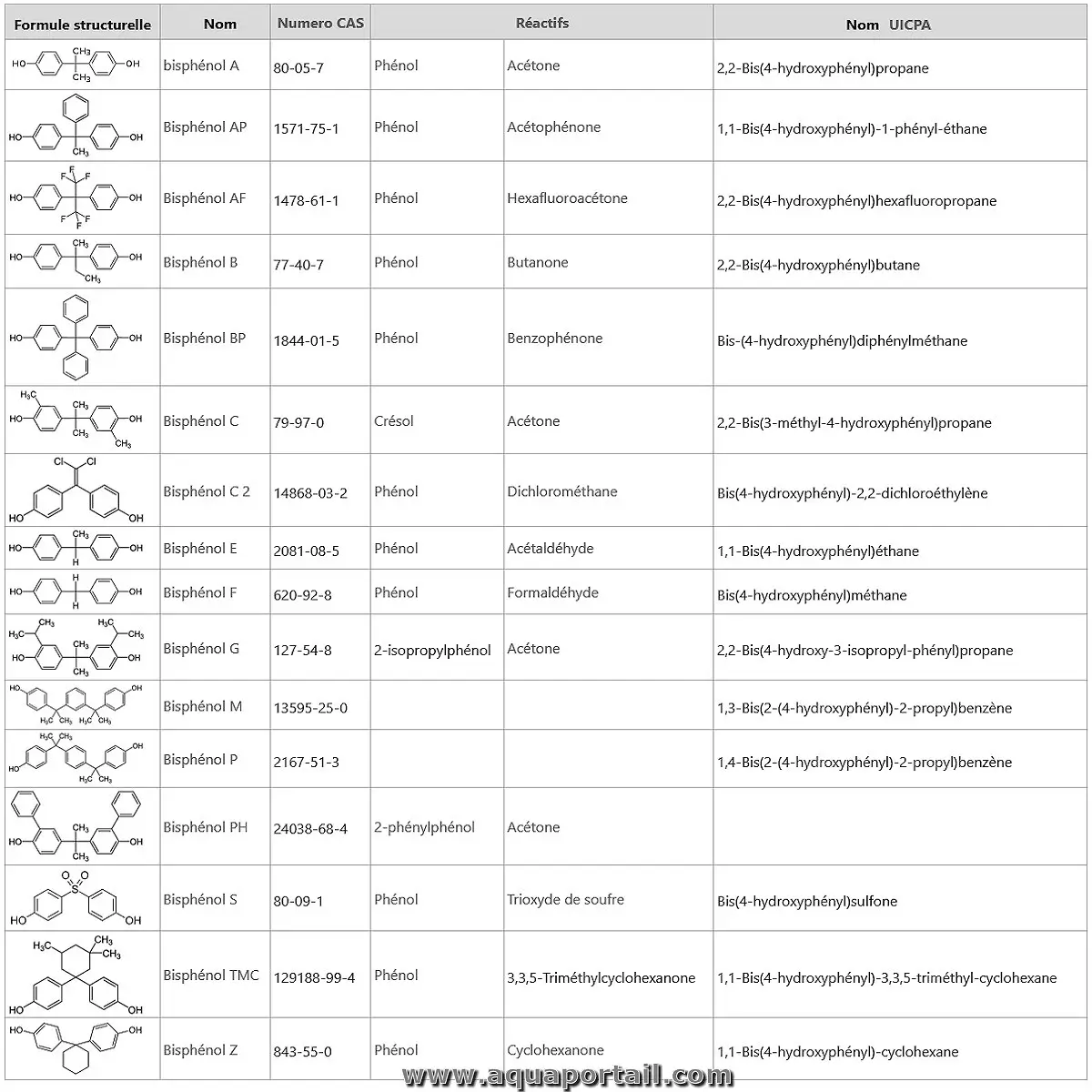
Complete list of all bisphenols. A bisphenol is formally the condensation product of phenol or a phenol derivative such as cresol, with another reactant in a 2-to-1 molar ratio. One or more capital letters following the word bisphenol designate this second reactant or the phenol derivative.
Bisphenol A (BPA), bisphenol S (BPS), and bisphenol F (BPF) are very hazardous because they interfere with the endocrine system (endocrine disruptors), impairing its activity. Exposure to these substances can occur in several ways, notably through accidental ingestion due to leaching of bisphenols from plastic containers into food. Release may occur upon changes in temperature and pH.
In most bisphenols, the second reactant is a carbonyl compound: an aldehyde such as formaldehyde for bisphenol F, or a ketone such as acetone for bisphenol A. In these bisphenols, the two hydroxyphenyl groups are linked by a carbon atom, which may carry up to two other functional groups. They are thus compounds with a bis(hydroxyphenyl)methane structure. The two hydroxyl groups are generally farthest from the central carbon atom; this is in the para position (position 4), though other positions are also possible.
Bisphenol S, with the S standing for "sulfur," has a central sulfur atom instead of the carbon atom. Sulfuric acid is used as a reactant for this.
Bisphenols P and M are bisphenols with a central benzene ring connected to the hydroxyphenyl groups via two alkyl groups in para and meta positions, respectively.
Bisphenol A
Bisphenol A (BPA) is a ubiquitous chemical substance in our homes, in pantry cupboards, in tap water (PVC pipes) or bottled drinks, and in food on our table (trays, polycarbonate-lined food cans)...
A two-year study in rats revealed that even high doses of the plastic additive BPA produced only "minimal effects" and that these effects could have occurred by chance. Thus, currently authorized uses of BPA continue to be safe for consumers.
The study's findings contradict claims by advocacy groups that BPA exposure is associated with a wide range of health effects, including cancer, obesity, and attention deficit hyperactivity disorder.
BPA is found in polycarbonate plastics used to manufacture products like water bottles and in epoxy resins used to line certain metal food cans. It has long been known that this chemical weakly mimics the hormone estrogen, and in the 1990s scientists showed that minute amounts could leach out of plastic products and enter our bodies.
This sparked a heated debate over the safety of BPA.
Critics of the chemical point to numerous small studies conducted by academic researchers. These studies, typically carried out on rodents, suggest that BPA can disrupt the body's hormonal system in a way that affects health.
Yet studies conducted in compliance with Good Laboratory Practice standards suggest that BPA is safe at levels encountered by consumers.
Synonyms, antonyms
Spanish translation: bisfenol
2 synonyms (similar meaning) for "bisphenol":
- hydroxybenzenesulfonylphenol
- sulfonyldiphenol
0 antonyms (opposite meaning).
Related words and expressions to BISPHENOL are directly connected by general or specific meaning.
The word BISPHENOL is listed on page 1 of words starting with B in the dictionary glossary.
Related to "bisphenol"
bacterial artificial chromosome
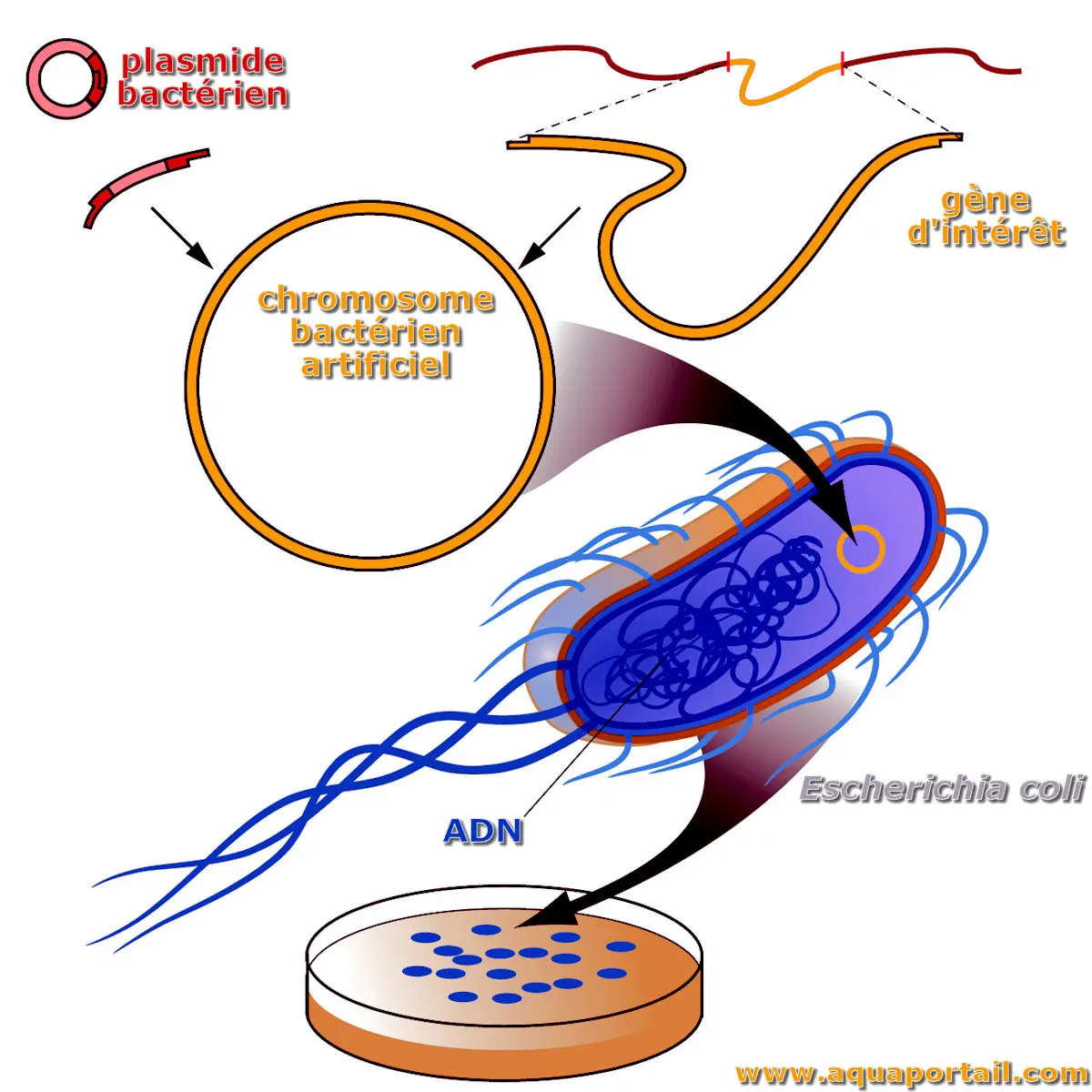
A bacterial artificial chromosome (BAC) is a DNA construct, based on a functional fertility plasmid or F-factor, used for transformation and bacterial cloning...
bacteriochlorophyll

A bacteriochlorophyll (BChl) is a pigment of photosynthetic eubacteria other than cyanobacteria, yet containing chlorophyll and able to carry...
bacteriorhodopsin
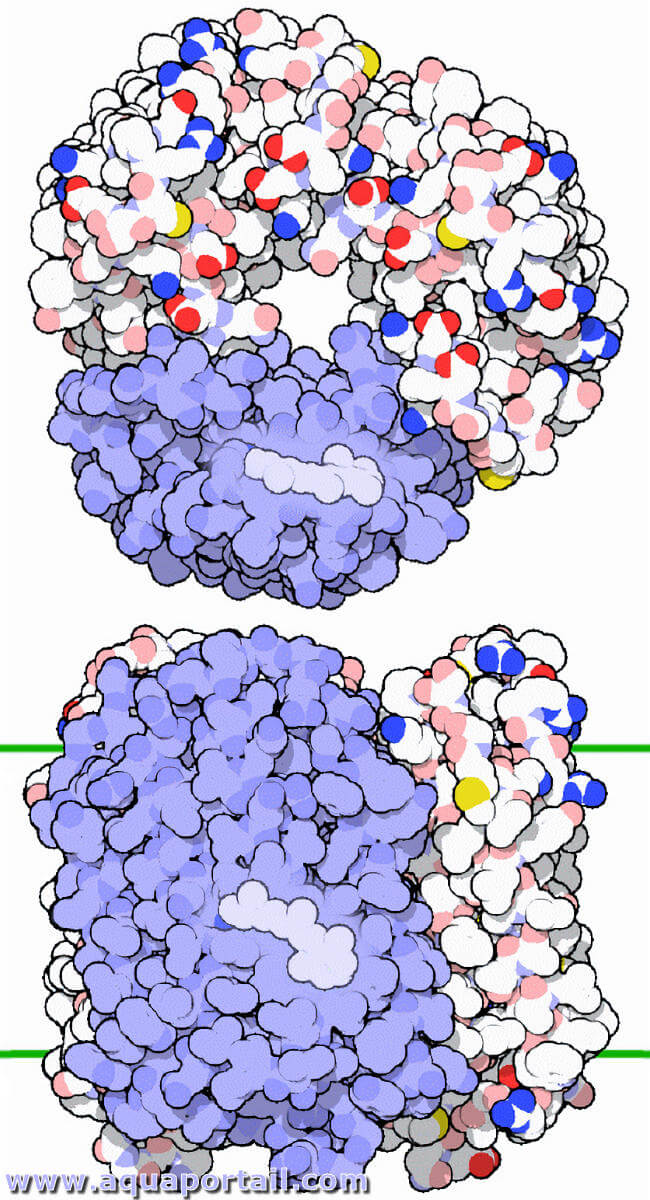
Bacteriorhodopsin (or proteorhodopsin) is a pigment of extreme halophilic photosynthetic archaebacteria.
bacterium

A bacterium is a unicellular prokaryotic microorganism, primarily round, spiral, or rod-shaped, that generally lives in soil, water, organic matter...
