Plastic
noun and adjective (n. / adj.)
Definition
(n.) plastic is a synthetic material made from a wide range of organic polymers, mostly derived from petroleum. E.g.: a plastic water bottle.
(n.) In French, la plastique refers to the morphology or aesthetics of an object, animal, or human being, incorporating the subjectivity of visual beauty. E.g.: the form of a sculpture or a woman.
(adj.) What is plastic is supple, slightly elastic, and flexible, rather soft and malleable. E.g.: a plastic soil has a high plasticity index because it is capable of changing shape.
Various plastic objects:

Plastics are part of our daily lives with many very useful everyday objects such as bottles, bags, various packaging, and much more.
Explanations
The three main types of plastics are those that can be molded while soft (thermoplastic), those that can be cured into a rigid shape (thermosetting), or those that remain slightly elastic (elastomer). See also microplastics.
The most widely used plastic material is polyethylene (a thermoplastic polymer). Many synthetic fibers such as nylon are plastics.
✅ Cellulose is a long-chain natural polymer (derived from plants) that is processed into plastic material. Thus, while the vast majority of plastics originate from petroleum derivatives, not all plastics come from petrochemicals.
Anything plastic is pliable and easy to shape or deform without breaking.
This is the principle that plastic surgery (cosmetic or reconstructive surgery) exploits using the suppleness and elasticity of the skin to artificially shape its form by adding synthetic plastic materials.
History
The first synthetic polymer was invented in 1869 by John Wesley Hyatt, inspired by a New York firm's offer of $10,000 to anyone who could provide a substitute for ivory. The growing popularity of billiards had strained the supply of natural ivory obtained from the slaughter of wild elephants.
By treating cellulose derived from cotton fiber with camphor, Hyatt discovered a plastic that could be shaped into various forms and imitate natural substances such as tortoiseshell, horn, linen, and ivory.
This discovery was revolutionary. For the first time, human manufacturing was not constrained by the limits of nature.
In 1907, Leo Baekeland invented Bakelite, the first fully synthetic plastic, meaning free of natural molecules. Baekeland was seeking a synthetic substitute for shellac, a natural electrical insulator, to meet the demands of widespread electrification. Bakelite was not only a good insulator, but also durable, heat-resistant, and, unlike celluloid, ideally suited for mechanical mass production. Marketed as "the material of a thousand uses", Bakelite could be shaped or molded into almost anything, offering endless possibilities.
Synonyms, antonyms
Spanish translation: plástico
10 synonyms (similar meaning) for "plastic":
- Bakelite
- elastic
- flexible
- malleable
- polyethylene
- polypropylene
- polystyrene
- polyvinyl chloride
- supple
- synthetic
1 antonym (opposite meaning):
Related words and expressions to PLASTIC are directly connected by general or specific meaning.
The word PLASTIC is listed on page 1 of words starting with P in the dictionary glossary.
Related to "plastic"
homoplasy
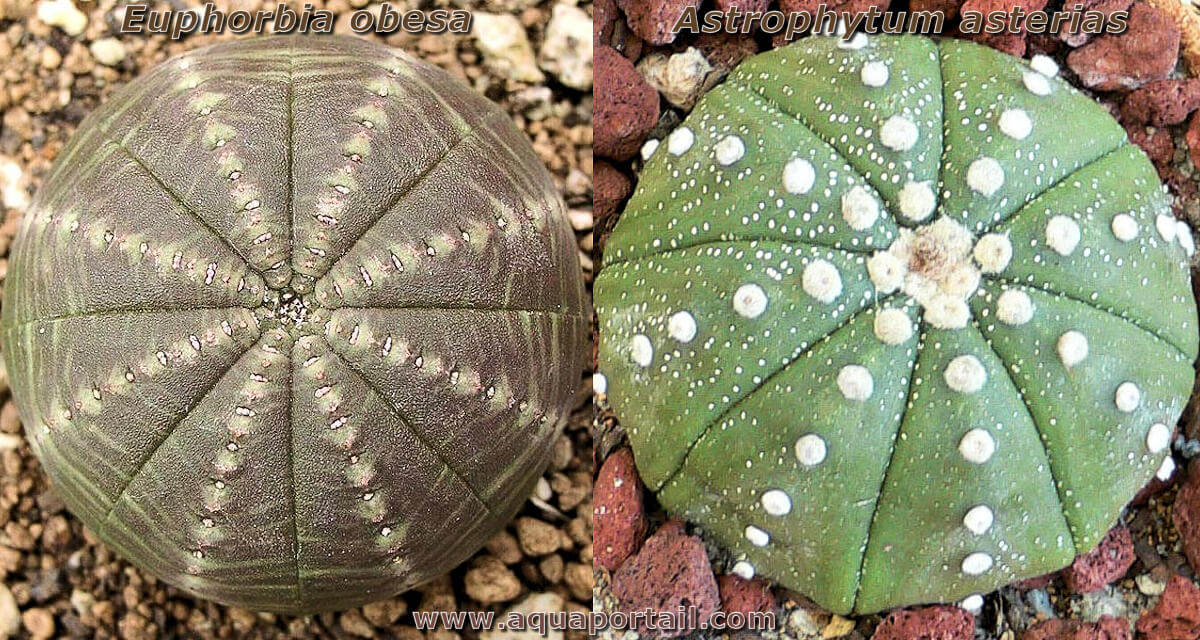
Homoplasy is the parallel evolutionary change that leads two organisms to exhibit the same trait acquired independently.
archaeoplastid
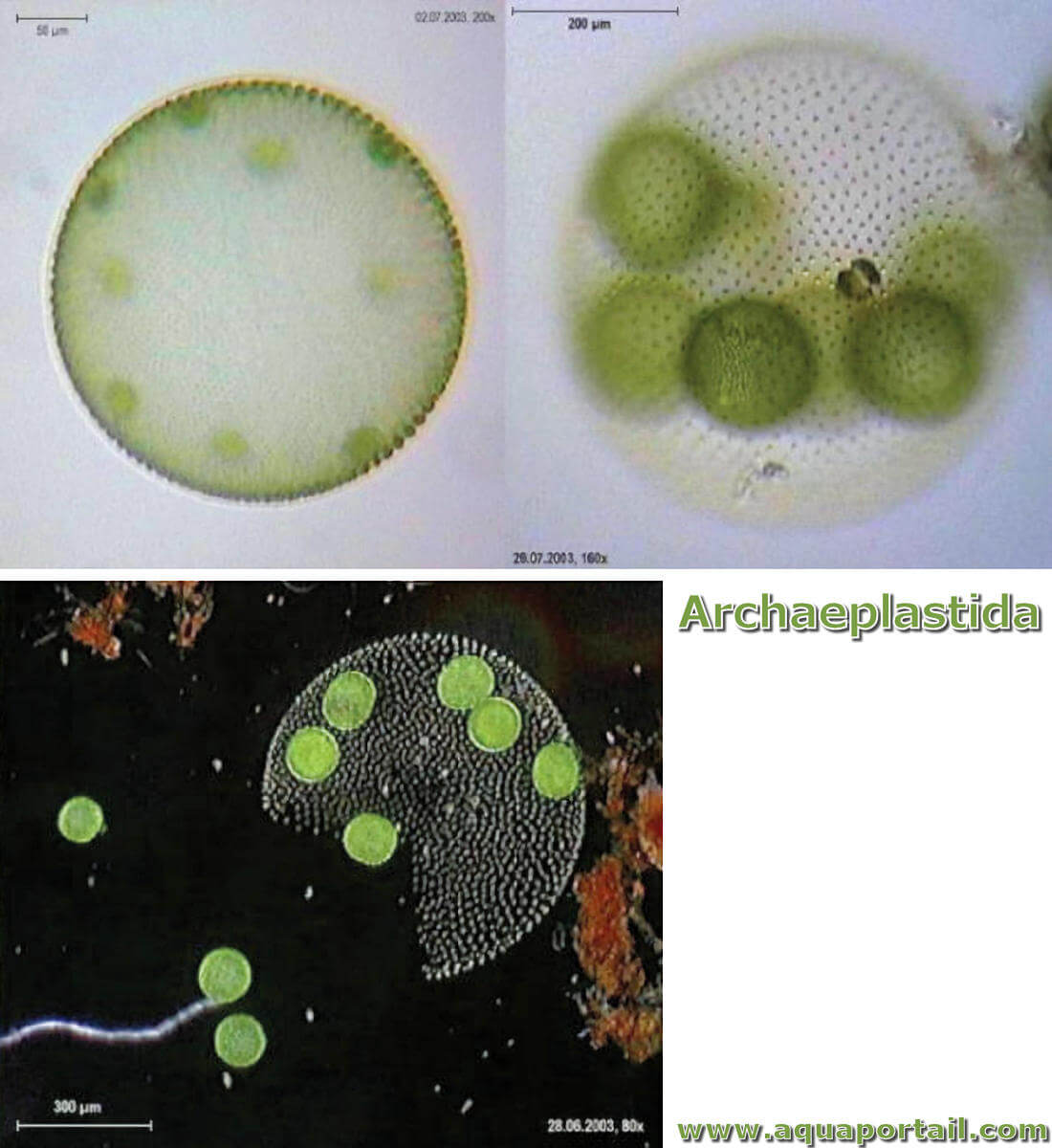
Any plastidome comprising only a single plastid within a cell or syncytium is termed archaeoplastid.
paedomorphosis

Paedomorphosis (juvenilization) is a phylogenetic change involving the retention of juvenile or even larval traits into a later (adult) stage.
pandemic

A pandemic is the widespread outbreak of an epidemic infectious disease across a vast geographic area at a given time.
