Poaching
noun (n.)
Definition
Poaching is the act of illegally hunting or capturing animals on land (game) or in waters (fish), or cutting down and removing trees, in violation of official prohibitions or protections. Poaching is theft! Poachers kill thousands of animals and decimate living beings every year.The poaching of a rhinoceros:
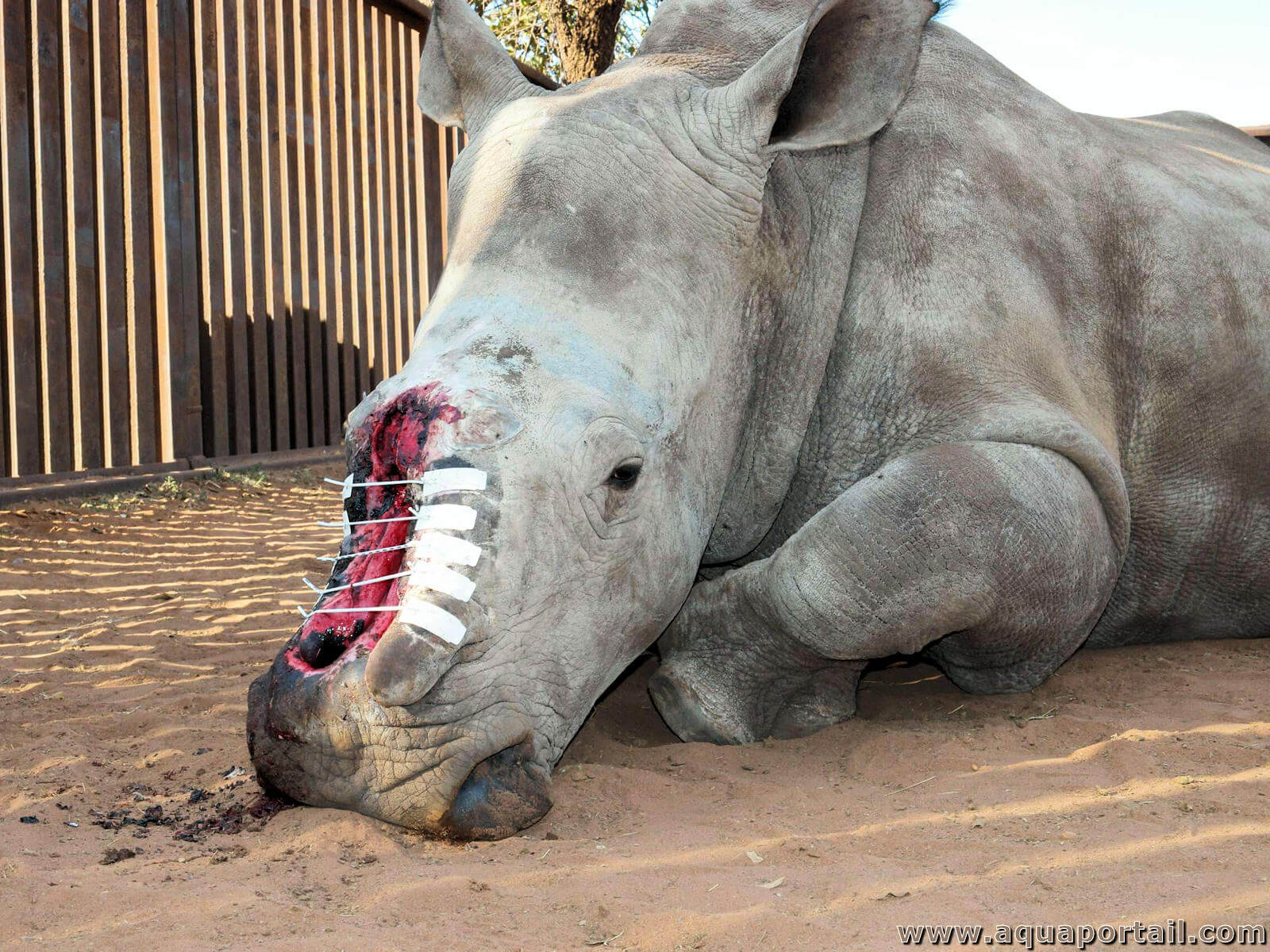
The poaching of a white rhinoceros was carried out for its horns. Like many others, the animal is an innocent victim of poaching that suffered the brutal cutting off of its horns.
Explanations
Poaching is one of the largest and cruelest threats to biodiversity and threatens the survival of countless species. It is an industry worth millions or even billions of dollars/euros, run by international networks that traffic animals worldwide for their parts, traditional medicine, the pet trade, and many other harmful activities.
Plants are no exception: woody species are exploited and overexploited; trees are felled and precious timber is taken away, and rare flowers are relentlessly harvested for the cosmetics industry.
Some examples of illegal wildlife trade are well known, such as the poaching of elephants for their ivory and tigers for their skin and bones. However, countless other species are also overexploited, from sea turtles to timber trees.
Capturing valuable resources is a means of securing wealth and power. Poverty and lack of economic opportunity are certainly behind some wildlife poaching. However, a more troubling dimension involves highly organized poachers, guerrilla insurgent groups, and state military personnel using both primitive and sophisticated equipment to kill or steal wildlife resources on a large scale; the intimidation, capture, and murder of park employees; and the control of landscapes inhabited by wildlife.
Poachers often associate directly or indirectly with international criminal networks, themselves linked to political organizations that promote violence.
⭐ Some areas are plagued by illegal encroachment, logging, and burning, while wildlife poaching and overharvesting of firewood pose serious threats to other reserves, particularly in developing countries. As land use and population pressures increase, protected areas are increasingly surrounded by hostile modified landscapes. In many regions, illegal gold mining has expanded rapidly. Because of these and other perils, defending the integrity of protected areas and their biodiversity is a growing challenge, in part because many reserves lack sufficient resources and are inadequately protected.
Animal poaching
The poaching of terrestrial or aerial animal species (birds) is not limited to rare species. The simple act of setting a snare to catch a hare on land that does not belong to the landowner is also poaching.
A significant number of species are disappearing due to poaching and wildlife trafficking, and in recent years trafficking has become more organized and commercialized than ever. The magnificent African elephant is one of the primary critically endangered species. It would be hard for us to imagine what a future devoid of such majestic creatures roaming the magnificent landscapes of sub-Saharan Africa would look like. The good news lately is that there is an active presence in the international community of enthusiastic people with diverse perspectives (conservation biologists, ecologists, economists, journalists) trying to get to the root of the decimation of African elephants.
Wildlife has long been viewed as a source of protein for humans. As a growing human population eliminates wild animal populations outside protected areas, people turn to poaching wildlife inside protected areas. New roads, often built for timber extraction, facilitate access to remote or inaccessible areas; hunting for food has become a major problem in protected areas. In many places, wildlife is also a source of income, in the form of bushmeat destined for local and even international markets, or in illegal trade such as elephant tusks and rhinoceros horns.
Many protected areas have now become vital sanctuaries for widespread species such as elephants and rhinoceroses. Stepped-up law enforcement in and around protected areas appears insufficient to stop poaching. Unless local populations benefit more from the non-consumptive value of wildlife and develop reliable sources of protein and income, even the largest, best-planned protected area may be unable to protect this component of its biological diversity.
Today's poachers are frequently equipped with advanced heat-seeking scopes, night-vision goggles, GPS satellite receivers, automatic and semi-automatic weapons, rocket-propelled grenades, and even helicopters and other military-grade vehicles. This has in turn necessitated the militarization of wildlife protection efforts LED by governments and NGOs to safeguard megafauna. armed clashes between poachers and wildlife rangers now cause hundreds of deaths every year in Africa alone. Some park agencies now follow a shoot-on-sight policy to combat the poaching of charismatic species.
Several studies note that "policing and funding" wildlife habitats now require "ongoing state violence." Some further question whether these "wars on wildlife" themselves result in state-sponsored violations of human rights or international humanitarian law. These researchers ask whether the sheer urgency of conservation has provided a "free pass" for such potential violations.
Aquatic poaching
Aquatic poaching involves both small catches (food fish) and protected species such as whales or sharks (for their fins). It can also simply be fishing in a watercourse during a closed season when fishing is prohibited (often to protect the breeding season).
In shellfish farming, stealing wild oysters or farmed mussels is poaching.
Aquatic poaching of fishes:
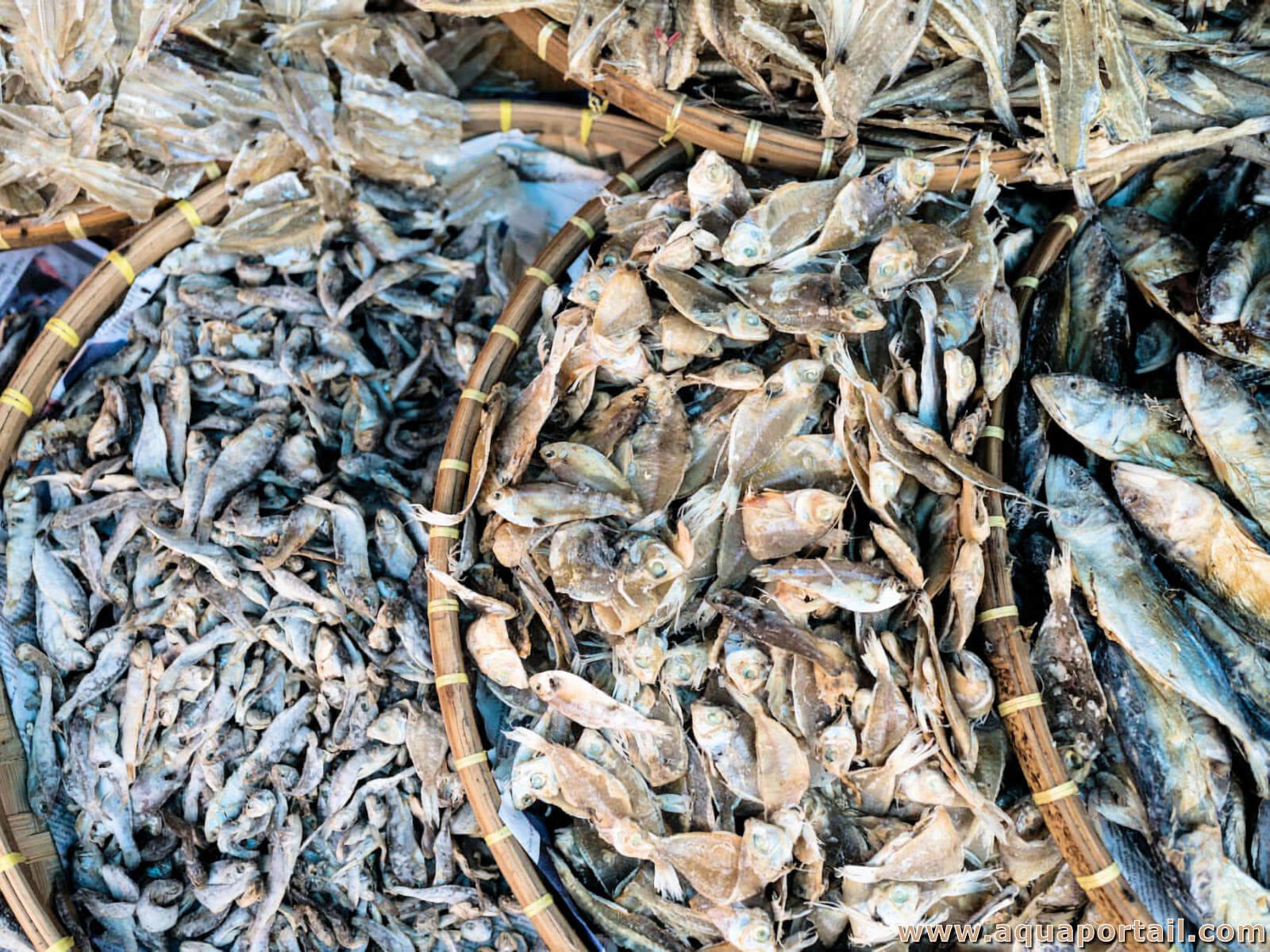
Aquatic poaching of fishes involves fishing in violation of applicable laws, whether for an excessive catch volume or fishing protected species.
Forest poaching
Timber poaching is legally classified as a property crime. It is not limited to precious wood species with high resale value, but also (and unfortunately) extends to firewood for resource-poor indigenous populations.
Even when dead, old-growth forests provide an incomparable ecosystem for threatened species across the continent. When trees disappear, the animals, birds, as well as smaller flora and fungi that depend on them disappear too. Tree poaching, even on a small scale, has a considerable impact, contributing to declining environmental health and forest weakening, leaving scars on the land that persist for hundreds of years.
Forest poaching of precious timber trees:
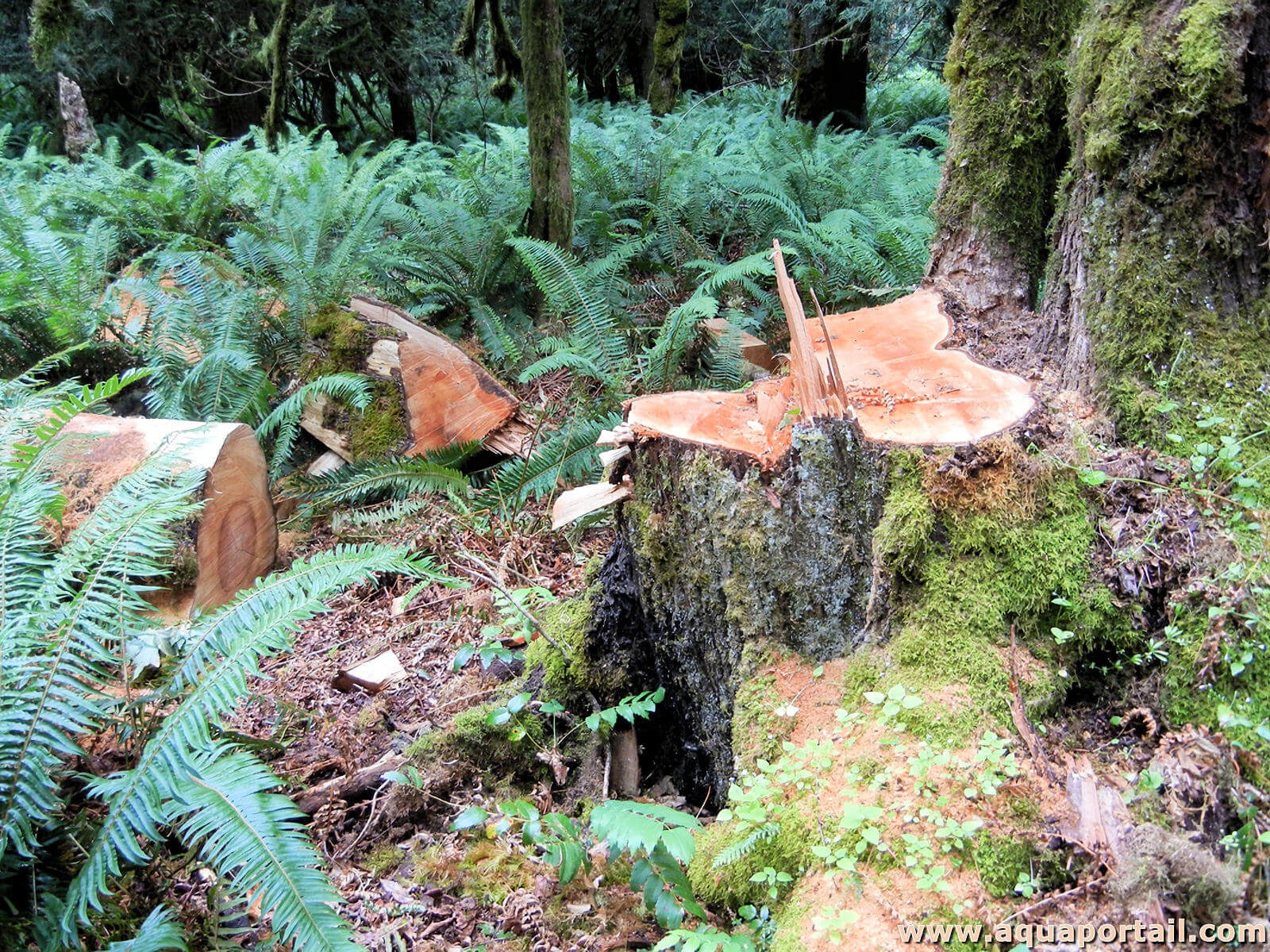
Poaching tree timber in a forest is common. Here, a maple stump illegally cut down in a forest.
⭐ Timber poaching is the secret crime decimating North America's forests. An estimated $1 billion worth of timber is poached every year in North America. Indeed, an 800-year-old red cedar has high market value. In fact, a wave of timber poaching is sweeping across North America: in the Pacific Northwest, the lush forests of Alaska, and the forest stands of the eastern and southern United States. Timber poaching occurs everywhere, on widely varying scales, throughout the seasons. For example, in Kentucky, slippery elm bark is stripped for use in herbal remedies and dietary supplements.
Worldwide, the black market for timber is estimated at $157 billion (in 2022), a figure that includes the market value of the wood, unpaid taxes, and lost revenue. Alongside illegal fishing and the black-market animal trade, timber poaching contributes to an illegal wildlife trade worth $1,000 billion ($1 trillion).
Synonyms, antonyms
Spanish translation: caza furtiva
3 synonyms (similar meaning) for "poaching":
- illegal hunting
- illegal trapping
- plundering
0 antonyms (opposite meaning).
Related words and expressions to POACHING are directly connected by general or specific meaning.
The word POACHING is listed on page 1 of words starting with P in the dictionary glossary.
Related to "poaching"
fin rot
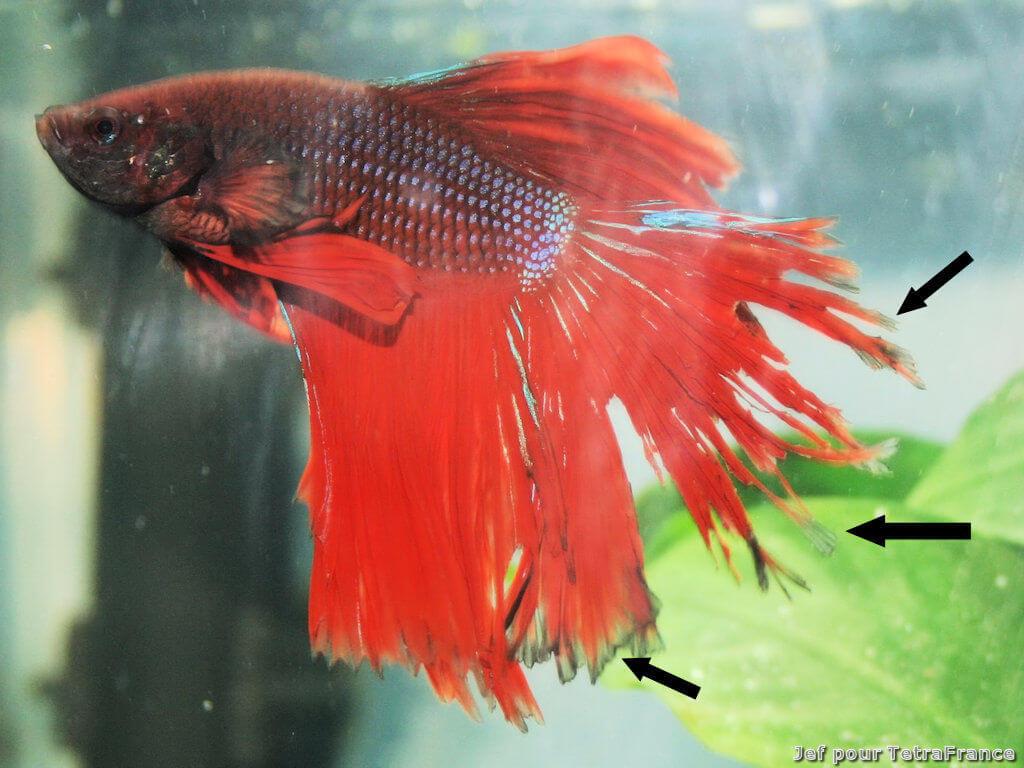
Fin rot in a fish is a common disease symptom in aquariums. This soft rot is a highly fatal disease if not treated promptly. Several expressions describe...
paedomorphosis

Paedomorphosis (juvenilization) is a phylogenetic change involving the retention of juvenile or even larval traits into a later (adult) stage.
pandemic

A pandemic is the widespread outbreak of an epidemic infectious disease across a vast geographic area at a given time.
parchment

Historically, true parchment is animal skin prepared (limed, dried, thinned, dressed) to write or print upon.
