Plantae
proper noun
Definition
Plantae is the taxonomic name of the kingdom encompassing all plants within the domain Eukaryota. This kingdom is traditionally divided into three major groups: Bryophyta (bryophytes), Pteridophyta (pteridophytes), and Spermatophyta (spermatophytes).
The kingdom Plantae comprises all multicellular plants found on land and in water. Members of this kingdom are eukaryotic and predominantly photosynthetic. Consequently, Plantae is one of the kingdoms of life encompassing all terrestrial and aquatic plants.
The plant kingdom (Plantae):
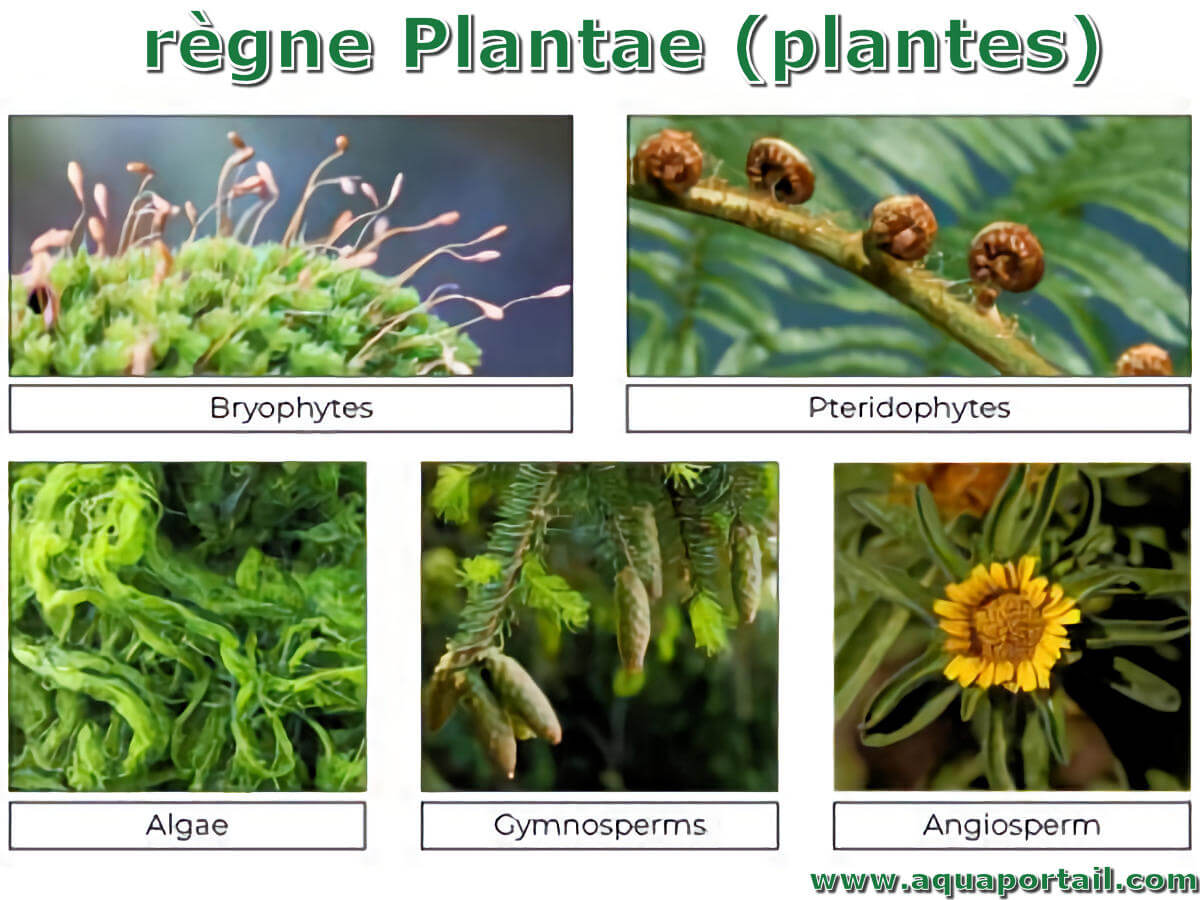
In all Plantae plants, cells produce double-membrane organelles called plastids. Certain plastids contain photosynthetic pigments (chlorophylls) and are called chloroplasts.
Explanations
Nearly all species (living or extinct) of the plant kingdom Plantae are autotrophic organisms. While the vast majority are photosynthetic, certain derived species are not (some parasitic or mycoheterotrophic plants are achlorophyllous).
✅ Plantae includes all terrestrial plants—mosses, ferns, conifers, flowering plants, etc.—and all aquatic plants including phanerogams, spanning an astonishing array of forms. With over 380,000 species, they rank second in diversity after arthropods, and the majority, some 260,000 species, produce seeds.
Characteristics
The main characteristics of the kingdom Plantae are:
- eukaryotic and multicellular organisms;
- cells surrounded by cellulosic cell walls;
- plant cells with or without chlorophyll;
- a vast majority rely on photosynthesis (hence autotrophic);
- both asexual and sexual reproduction;
- a reproductive life cycle featuring alternation of generations.
What is the difference between Plantae and Archaeplastida? The supergroup Archaeplastida encompasses all eukaryotes with primary plastids (including unicellular or marine red algae and glaucophytes), whereas Plantae in the strict sense (embryophytes or land plants) comprises multicellular plants exhibiting an alternation of haploid and diploid generations.
Classification
Linnaeus (1758) in the 18th century proposed a two-kingdom classification system dividing all living organisms into two kingdoms: Plantae and Animalia. The distinction was based on structural and functional traits such as locomotion, response to stimuli, mode of nutrition, and presence of a cell wall.
The animal kingdom contained motile heterotrophic organisms, while the plant kingdom grouped sessile organisms feeding autotrophically via photosynthesis; microorganisms were divided between the two kingdoms.
Later, the Five-Kingdom system was developed by the American ecologist and taxonomist Robert H. Whittaker (1969). The five kingdoms are: Monera, Protista, Plantae, Mycota (Fungi), and Animalia.
Synonyms, antonyms
Spanish translation: Plantae, reino vegetal
3 synonyms (similar meaning) for "plantae":
- Archaeplastida
- plant
- plant kingdom
1 antonym (opposite meaning):
Related words and expressions to PLANTAE are directly connected by general or specific meaning.
The word PLANTAE is listed on page 1 of words starting with P in the dictionary glossary.
Related to "Plantae"
green plants
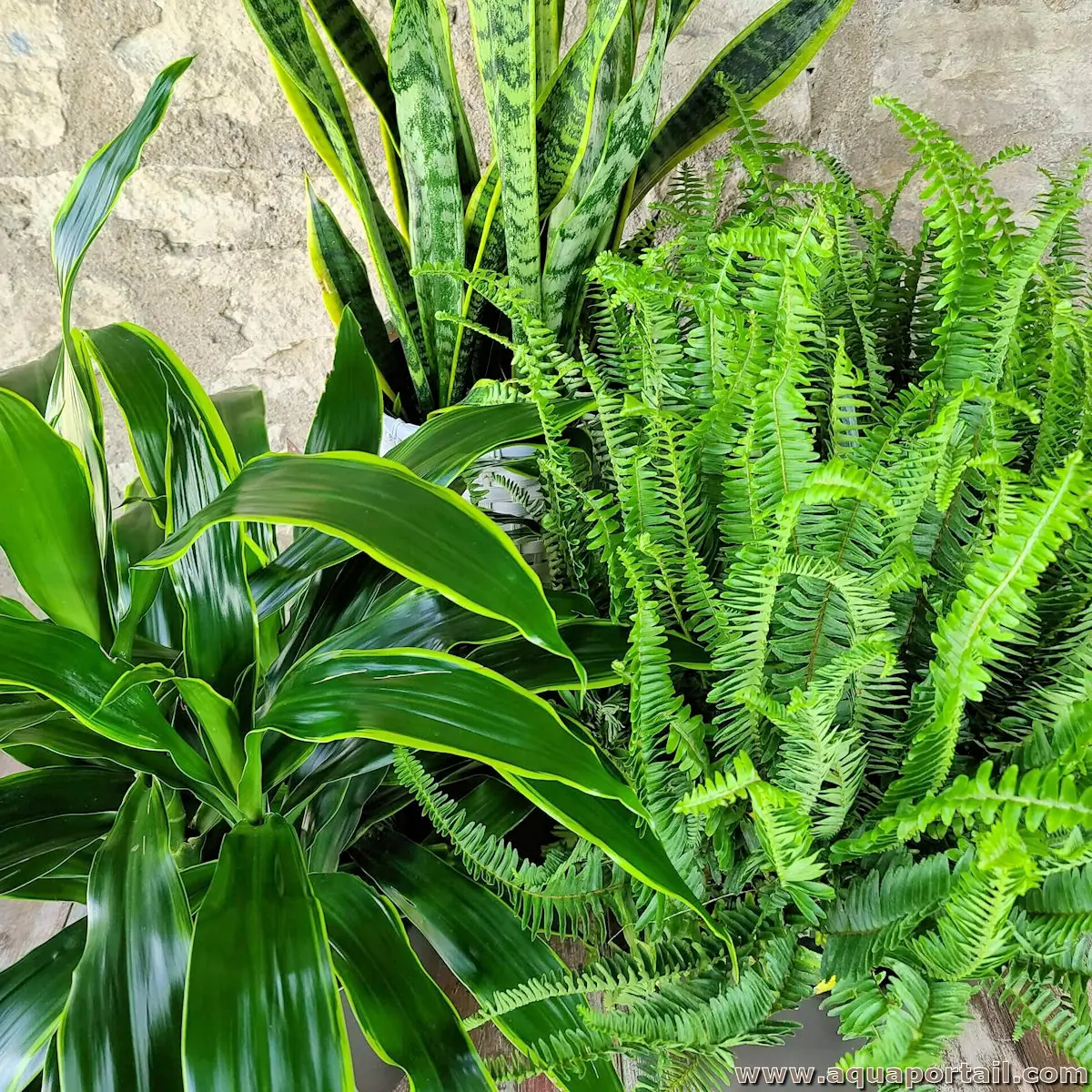
Green plants (subkingdom Viridiplantae) encompass land plants, aquatic vascular plants, and green algae, accounting for roughly one-sixth of all described...
plant nursery

In plant cultivation, a nursery is the section of a garden where young plants are raised until they can be transplanted to a permanent location.
beginner aquarium plant

A beginner aquarium plant is an easy-to-grow aquatic plant species with good growth regardless of planting conditions.
paedomorphosis

Paedomorphosis (juvenilization) is a phylogenetic change involving the retention of juvenile or even larval traits into a later (adult) stage.
