Biotic
adjective (adj.)
Definition
Biotic concerns living beings, is relative to life (biota), or allows the development of life. Biotic describes an environment in which life can develop. A biome is a biotic zone, whose biotope defines the biotic factors. In living matter, biotic is the opposite of abiotic.Biotic and abiotic living matter:

Living matter is a tree of life, grouping together the biotic and the abiotic.
Explanations
What is biotic relates to or results from living beings, particularly in their ecological relationships; for example in preserving biotic diversity.
See also a zoobiotic organism.
Biotic material
Biotic material is derived from living organisms, material of biological origin. Most of these materials contain carbon and can degrade. Examples of biotic materials are wood, straw, humus, manure, bark, crude oil, cotton, spider silk, chitin, fibrin, and bones.
The use of biotic materials and processed biotic materials (bio-based materials) as alternative natural materials, rather than synthetic ones, is popular among those concerned about the environment because these materials are often biodegradable, renewable, and their processing is well understood with minimal environmental impact.
However, not all biotic materials are used in an environmentally friendly way, such as those requiring high levels of processing, harvested unsustainably, or used to produce carbon emissions.
Biotic potential
Biotic potential is the reproductive capacity of an organism. In biology, biotic potential is defined as the maximum reproductive capacity of a biological species, determined among other things by the length of that species' life cycle and the size of its offspring, under ideal conditions.
The expression of this potential is limited by any environmental condition that inhibits population growth. A species that reaches its biotic potential will experience exponential population growth, which is why it is said to have high fertility.
Biotic community
A biotic community (biocenosis) is the assemblage of interacting organisms living together in a specific habitat whose biotic components are of interest to ecology.
Biotic energy
Biotic energy is a vital force theorized by biochemist Benjamin Moore (1867–1922). Moore developed a theory of "biotic energy" which he discussed in his books The Origin and Nature of Life (1913) and Biochemistry (1921). He claimed that there was an energy in living bodies that could not be described in terms of physics and chemistry.
Zoobiotic
A zoobiotic organism is determined by the action of humans or animals. It is a living being (biotic), such as an animal parasitic on or living in association with an animal.
A zoobiotic organism is a parasite living on or in an animal, such as certain fungi.
In the pharmaceutical field, the oral suspension "Zoobiotic" is indicated for the treatment of certain infections in adults and children, or for the prophylaxis of endocarditis. Official guidelines on the appropriate use of antibacterial agents should be taken into account.
Synonyms, antonyms
Spanish translation: biótico
1 synonym (similar meaning) for "biotic":
1 antonym (opposite meaning):
Related words and expressions to BIOTIC are directly connected by general or specific meaning.
The word BIOTIC is listed on page 1 of words starting with B in the dictionary glossary.
Related to "biotic"
abiotic

In biology and ecology, abiotic refers to what is not biotic, that is, not part of living beings.
antibiotic

An antibiotic is a substance of animal or plant origin that inhibits the growth of or destroys bacteria and other microorganisms.
biotin
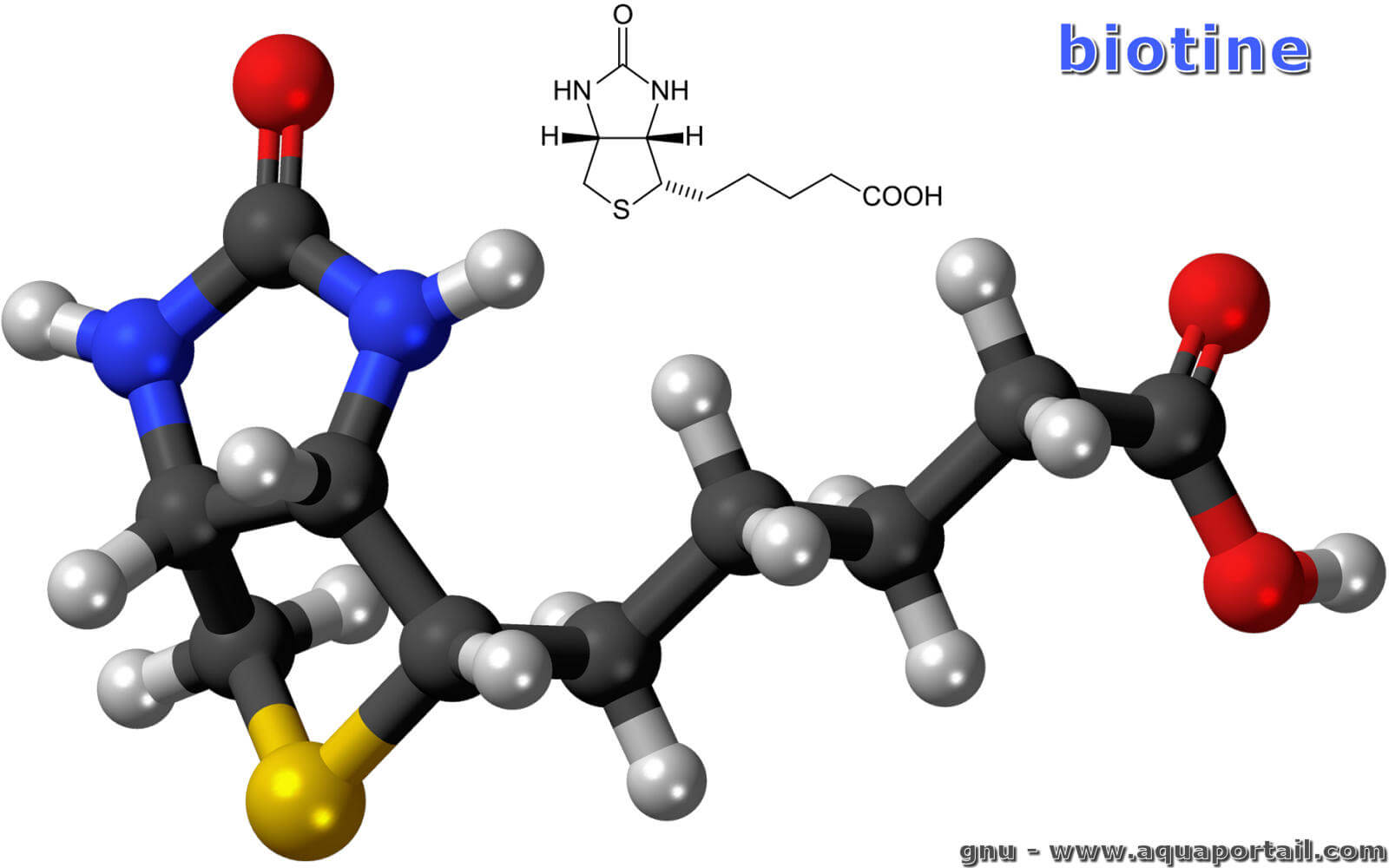
Biotin is a nitrogen- and sulfur-containing vitamin (vitamin B7 / vitamin B8) that plays an important metabolic role as a thermostable coenzyme.
bacterial artificial chromosome

A bacterial artificial chromosome (BAC) is a DNA construct, based on a functional fertility plasmid or F-factor, used for transformation and bacterial cloning...
