Biomedicine
noun (n.)
Definition
Biomedicine is the medical science that applies all principles of the natural sciences to the development of clinical practice. It is an interdisciplinary branch of human biology at the boundaries of medicine, biology, and biotechnology.A scientist performing biomedicine tests:
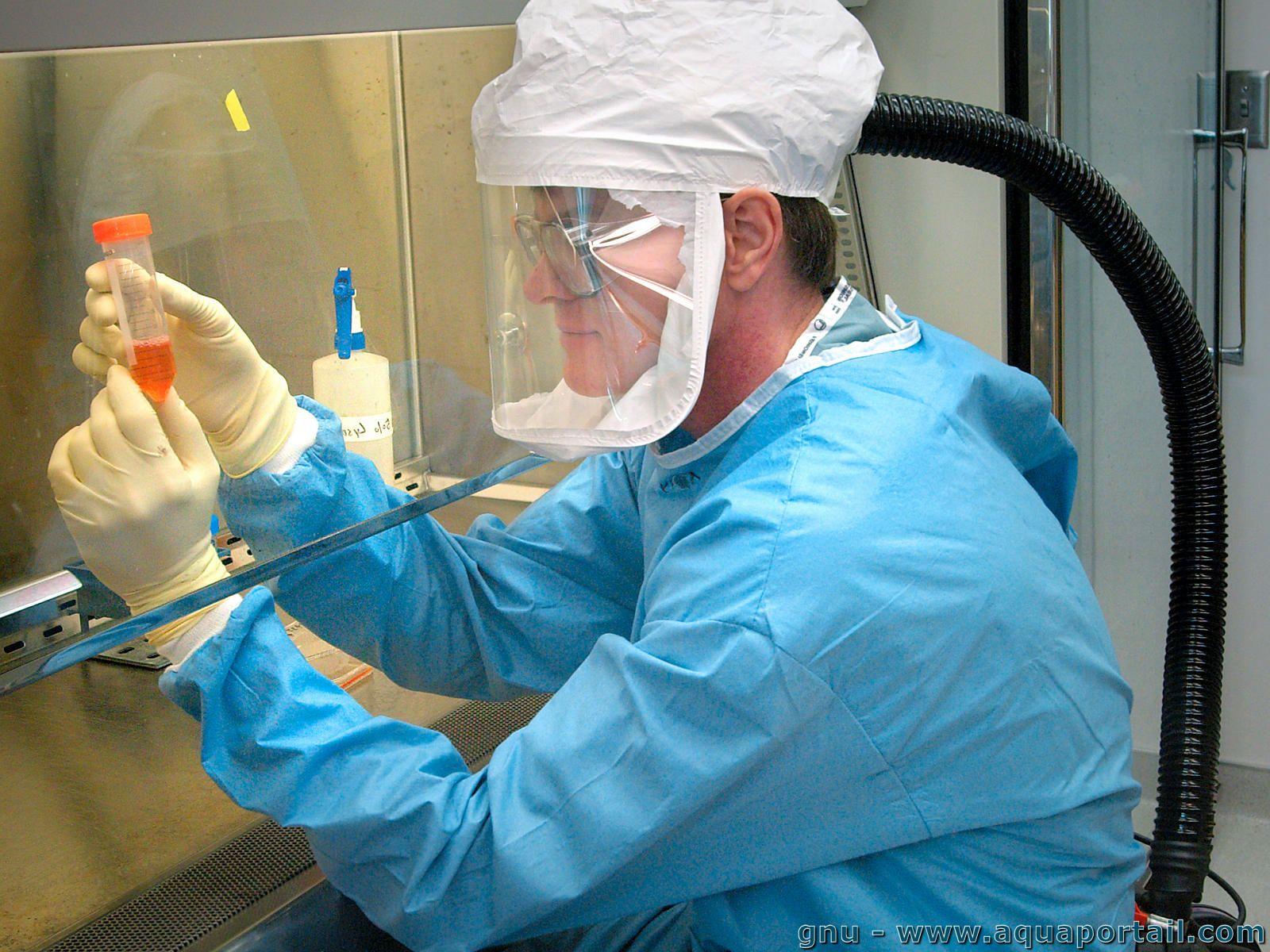
This biomedicine scientist conducts tests with the influenza virus in a laboratory.
Explanations
Biomedicine pertains to the practice of medicine and applies all principles of natural science in clinical practice, studying pathophysiological processes from molecular interactions to dynamic bodily processes through methodologies used in biology, chemistry, and physics.
Biomedicine is a term encompassing knowledge and research common to medical fields, including biological sciences such as biochemistry, immunology, chemistry, biology, histology, genetics, embryology, anatomy, physiology, pathology, biomedical engineering, zoology, botany, and microbiology.
It focuses on the molecular and cellular biological basis of life and its pathological changes. The goal of biomedicine is the scientific study of the causes of diseases in order to treat (the underlying cause) and effectively prevent their effects. Approaches range from the basic understanding of molecular interactions to the study of consequences in vivo. These processes are designed with a particular focus on developing new diagnostic and therapeutic techniques.
Biomedicine underpins phytotherapy and the use of medicinal plants applied in a scientific manner. It thus enables the creation of new, less toxic or less invasive drugs, and refines early diagnosis of diseases as well as their treatment.
Considered part of biomedicine are:
- the development of biomedical technology, new systems, devices, processes, and algorithms in healthcare services
- the creation of improved technological resource conditions to deliver quality healthcare services
- the understanding and application of knowledge of living systems for clinical (therapeutic) applications based on innovative engineering sciences
Synonyms, antonyms
Spanish translation: biomedicina
1 synonym (similar meaning) for "biomedicine":
0 antonyms (opposite meaning).
Related words and expressions to BIOMEDICINE are directly connected by general or specific meaning.
The word BIOMEDICINE is listed on page 1 of words starting with B in the dictionary glossary.
Related to "biomedicine"
medicine

Medicine encompasses the sciences, practices, and procedures used to prevent, diagnose, treat, or alleviate diseases, injuries, and other conditions, forming...
bacterial artificial chromosome

A bacterial artificial chromosome (BAC) is a DNA construct, based on a functional fertility plasmid or F-factor, used for transformation and bacterial cloning...
bacteriochlorophyll

A bacteriochlorophyll (BChl) is a pigment of photosynthetic eubacteria other than cyanobacteria, yet containing chlorophyll and able to carry...
bacteriorhodopsin
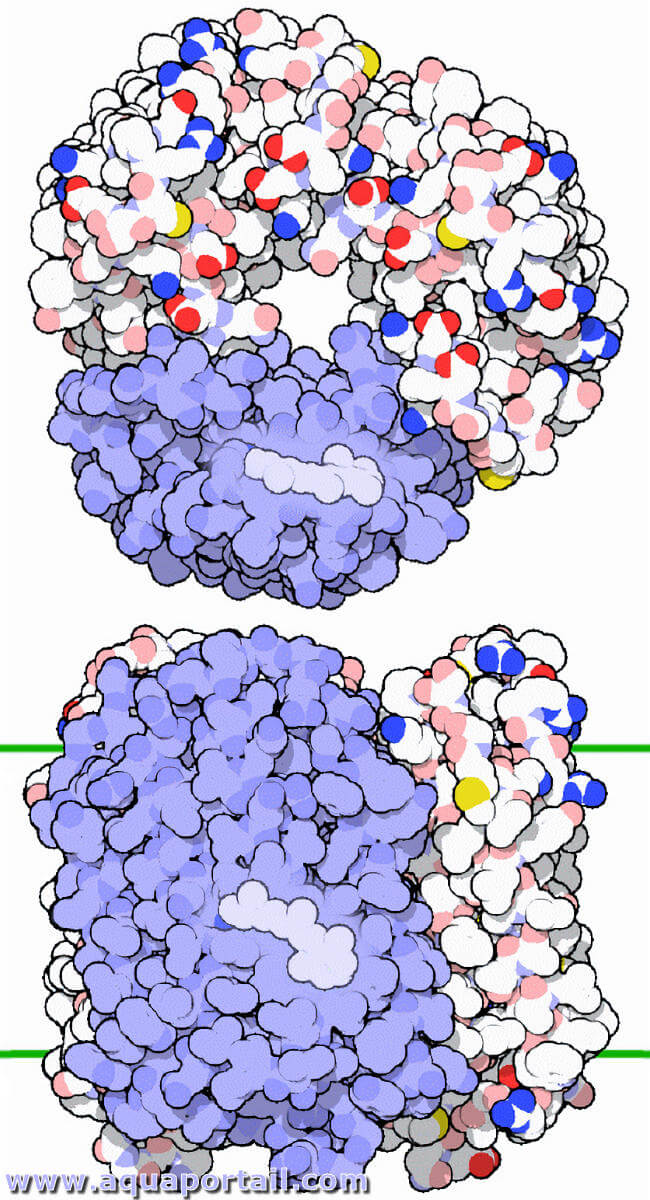
Bacteriorhodopsin (or proteorhodopsin) is a pigment of extreme halophilic photosynthetic archaebacteria.
Simple summary
Biomedicine is an interdisciplinary field that applies the principles of biology and the natural sciences to clinical practice and medical research. It aims to understand and treat various diseases by integrating knowledge from fields such as molecular biology, genetics, and physiology.
