Bioindicator
noun (n.)
Definition
A bioindicator (biological indicator) is a species or group of species that reflects the biotic or abiotic state of an environment and the impact produced on a habitat, community, or ecosystem, or indicates the diversity of a set of taxa or biodiversity of a given region.
The presence of a honeybee is a bioindicator:

A bee on a flower is a good bioindicator for the environment, here a rapeseed crop Brassica napus providing nectar to a honeybee Apis mellifera. The presence of bees indicates a relatively healthy ecosystem.
Explanations
A bioindicator is a biological taxon, population, or association of taxa whose presence or absence is significant of an environmental state. Bioindicator species are mainly exploited in treated waters to detect organic or inorganic pollution.
Bioindicators are organisms sensitive to certain disturbing agents capable of providing clear, quantifiable responses to changes in their habitat. Depending on their level of biological organization and exposure time to the disturbance, bioindicators are capable of providing different responses.
There are both bioindicators with a low level of biological organization that are mainly used as sensors and considered a true detection tool, and bioindicators with little or no mobility, which are generally used as tests to provide homogeneous responses to environmental stimuli.
Bioindicators can be introduced by humans into the environment to be studied or already be present in nature, in which case they can provide general information that nevertheless requires a holistic, multidisciplinary interpretive approach since the response signal could be conditioned by the presence of other environmental stressors not directly related to the one being detected.
Bioindicators can be used at different scales of size and complexity. At the ecosystem level, it is possible to analyze food webs and population fluctuations or estimate productivity. At the population level, mortality/survival rate, reproduction rate, abundance, biomass, and behavior can be analyzed. At the community level, on the other hand, ecological analyses may aim to assess not only abundance but also the biomass of individual species, organism density, distribution, and species diversity.
Examples
The biological changes observed in these indicator organisms can be genetic, biochemical, physiological, morphological, ecological, or behavioral. These species are biosensors used in a biosensor or biodetector system. The bioindicator species is therefore an organism whose presence and characteristics indicate the value of a given ecological factor, and hence environmental quality for that factor, including in their phenotypes. For example, certain lichens.
A biological indicator, or bioindicator or indicator species, designates an animal, plant, or fungal species particularly sensitive to changes caused by factors that pollute the ecosystem. A bioindicator is an organism or biological system used to assess a modification, generally degenerative, of environmental quality.
In freshwater, many fishes or snails are bioindicators. Fishes such as knifefishes modify the rhythm of electrical discharges and thus indicate a variation in freshwater physicochemical parameters. Freshwater snails are usually employed to determine organic pollutant levels in wastewater treatment plants, thus serving as indicator species.
The term is synonymous with biological indicators, designating plant species such as indicator plants, or animal species that, due to their ecological particularities, are the early sign (sentinel organisms) of abiotic or biotic changes in the environment caused by a given type of human action.
For example, a biological indicator is useful for detecting a pollution situation thanks to its ability to accumulate polluting substances (which can then be detected by laboratory tests) and thanks to morphological changes, many of which are due to pollution stress.
Simple principle
A bioindicator is an indicator consisting of a plant, fungus, or animal species; or formed by a group of species (eco-sociological group) or a group of plants whose presence (or condition) provides information on certain ecological characteristics (physicochemical, microclimatic, biological, and functional), the environment, or the impact of certain practices on the environment. They are mainly used for environmental assessment (monitoring the state of the environment, or effectiveness of compensatory or remedial measures).
The principle consists of observing biological effects, individually or in populations across different ecosystems (on the scale of the biosphere or sometimes large biomes).
These effects must be measurable by observing varying degrees of morphological alterations, behavioral, tissue, or physiological alterations (growth and reproduction) which, in extreme cases, lead to the death of these individuals or the disappearance of a population.
Lichen, for example, is an effective bioindicator of air pollution in a forest or city. Other indicators exist to measure effects on biological diversity.
Properties of a good bioindicator
Bioindicators are useful in strategic environmental assessment programs. To this end, a bioindicator must meet certain properties:
- It must be sufficiently (normally or abnormally) dispersed across the territory and be relatively abundant and, if possible, easily detectable
- Unless measuring the mobility of the species, it should be as sedentary as possible to reflect local conditions
- It must be of a size that allows the study of different tissues and their components (muscles, bones, organs in the case of an animal...)
- It must tolerate contaminants at concentrations similar to those observed in the polluted environment, without lethal effects
- It must also survive outside the natural environment and tolerate different laboratory conditions (pH, temperature...).
See also biomonitoring, a biomarker, a biological marker.
Synonyms, antonyms
Spanish translation: bioindicador
6 synonyms (similar meaning) for "bioindicator":
- biological indicator
- indicator organism
- indicator plant
- indicator species
- sentinel organism
- test species
0 antonyms (opposite meaning).
Related words and expressions to BIOINDICATOR are directly connected by general or specific meaning.
The word BIOINDICATOR is listed on page 1 of words starting with B in the dictionary glossary.
Related to "bioindicator"
bacterial artificial chromosome
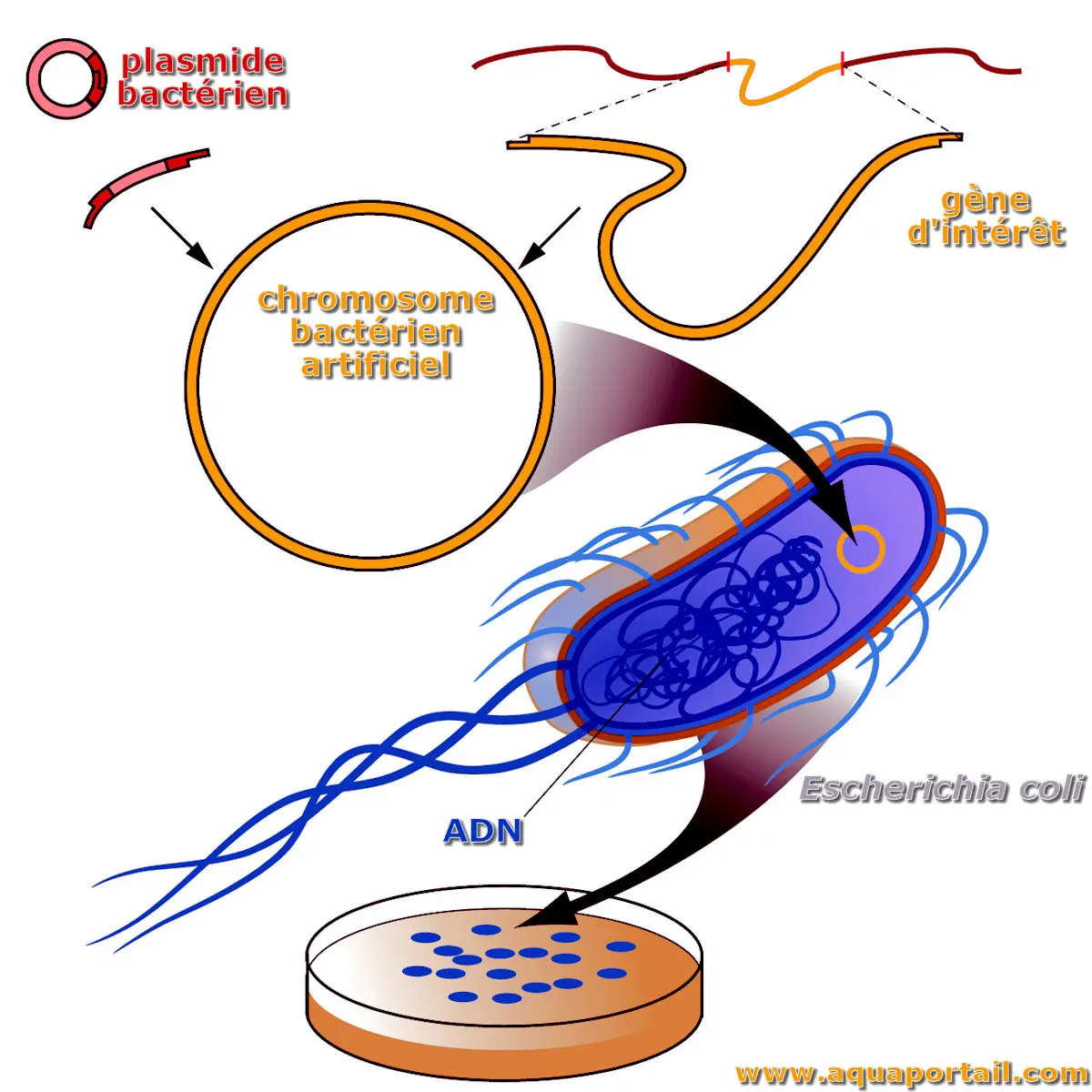
A bacterial artificial chromosome (BAC) is a DNA construct, based on a functional fertility plasmid or F-factor, used for transformation and bacterial cloning...
bacteriochlorophyll

A bacteriochlorophyll (BChl) is a pigment of photosynthetic eubacteria other than cyanobacteria, yet containing chlorophyll and able to carry...
bacteriorhodopsin
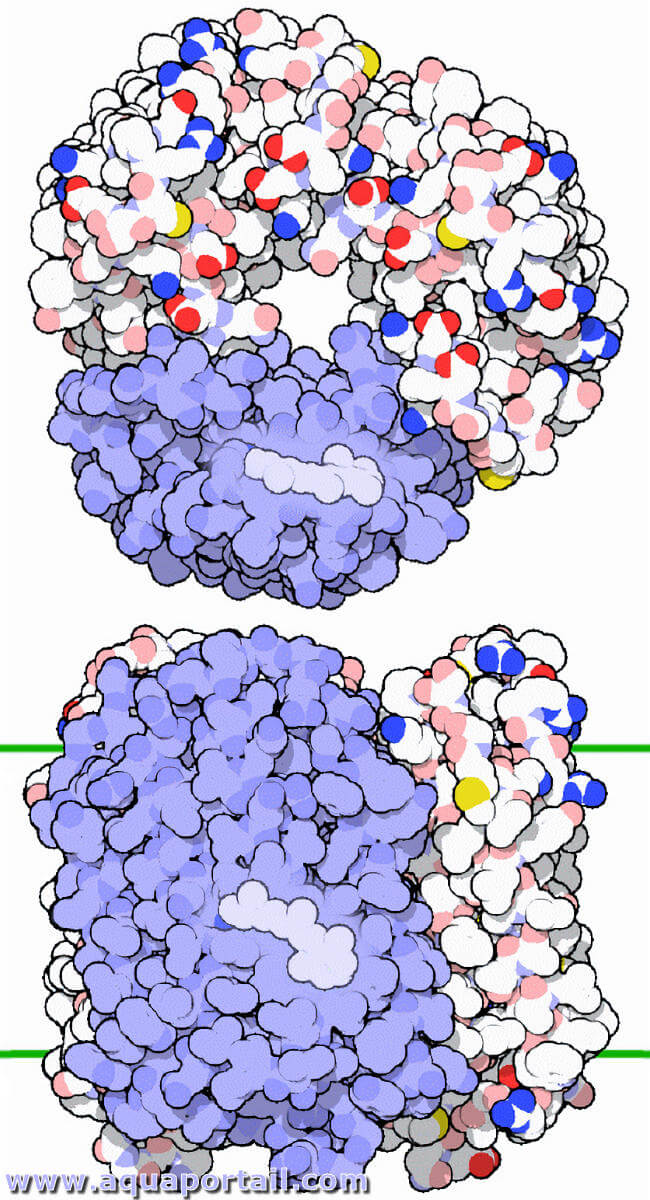
Bacteriorhodopsin (or proteorhodopsin) is a pigment of extreme halophilic photosynthetic archaebacteria.
bacterium

A bacterium is a unicellular prokaryotic microorganism, primarily round, spiral, or rod-shaped, that generally lives in soil, water, organic matter...
