Bloodworms
noun phrase (n. phr.)
Definition
Bloodworms (chironomid larvae) are the bright red aquatic larvae of non-biting midges belonging to the dipteran family Chironomidae. These larvae contain high levels of dissolved hemoglobin in their hemolymph, giving them their distinctive blood-red coloration.Bloodworms:

Bloodworm density can be high in commercial aquarium trade packs as well as in natural muddy substrates.
Explanations
Chironomids (Chironomidae) are aquatic insects with benthic larval stages that have become standard model organisms in laboratory ecotoxicology assays for evaluating the effects of environmental pollutants. Their use relies on standardized laboratory culturing protocols and thorough knowledge of their life-cycle biology.
In the aquarium
In the aquarium hobby, bloodworms are a protein-rich food prized by many fishes, offered live, frozen, or freeze-dried.
Watch a video of live bloodworms (Chironomus plumosus) in an aquarium: live bloodworms.
Chironomid larvae are eagerly consumed by many freshwater fish species both in the wild and in captivity. They inhabit the muddy bottoms of ponds, lakes, and slow-moving waters where adult midges lay their eggs.
Red chironomid bloodworms should not be confused with the aquatic oligochaete annelid Lumbriculus variegatus (commonly called California blackworm) or tubifex worms. In marine environments, polychaete worms of the genus Glycera are also called bloodworms and are widely used as fishing bait.
The aquarium bloodworm is Chironomus plumosus:

Bloodworms, here Chironomus plumosus, are regarded by aquarists as a true delicacy for freshwater fishes.
Bloodworms are widely used in aquarium fish nutrition, primarily for freshwater species; while they can occasionally be offered to marine fishes, feeding frequency should remain moderate in saltwater tanks. Alongside bloodworms, daphnia, brine shrimp (Artemia), and krill are staple aquarium foods available frozen, in gel form, or live.
Life cycle and culturing
Chironomid larvae hatch from tiny eggs. Many are bright red, though green, brown, and blackish midge larvae also occur depending on the species and hemoglobin content. They dwell on river and lake beds inside tubular burrows constructed from fine detritus and silk; some larvae occasionally emerge into the water column, where they are readily captured by foraging fish.
When pupae ascend to the surface and adults emerge or return to oviposit on the water surface, they again become vulnerable to surface-feeding fishes.
A bloodworm (chironomid midge larva):

As a midge larva, the bloodworm passes through four larval instars after hatching before pupating.
In spring and summer, adult males form dense aerial mating swarms near water, although adult midges neither bite nor feed. Females lay gelatinous egg masses on the water surface that sink to the bottom, where hatching larvae build silk tubes and feed on decaying organic matter, detritus, and microalgae.
Chironomus midges
Numerous species belong to the genus Chironomus, with larvae ranging from 2–3 mm up to 20–30 mm in length. One of the most widespread species is Chironomus plumosus, whose coloration varies with habitat and species.
Chironomus is a genus of non-biting midges in the subfamily Chironominae (family Chironomidae), encompassing several cryptic sibling species that can often only be distinguished by specialists examining their giant polytene chromosomes. Larvae of several species inhabit the profundal zone of lakes at high densities, combining hemoglobin-like respiratory pigments with undulating body movements inside their tubes to extract oxygen from hypoxic sediments.
Synonyms, antonyms
Spanish translation: gusano de sangre, larva de quironómido
4 synonyms (similar meaning) for "bloodworms":
- chironomid
- Chironomus plumosus
- red midge larva
- tubifex worm
0 antonyms (opposite meaning).
Related words and expressions to BLOODWORMS are directly connected by general or specific meaning.
The word BLOODWORMS is listed on page 1 of words starting with B in the dictionary glossary.
Related to "bloodworms"
bacterial artificial chromosome

A bacterial artificial chromosome (BAC) is a DNA construct, based on a functional fertility plasmid or F-factor, used for transformation and bacterial cloning...
bacteriochlorophyll

A bacteriochlorophyll (BChl) is a pigment of photosynthetic eubacteria other than cyanobacteria, yet containing chlorophyll and able to carry...
bacteriorhodopsin
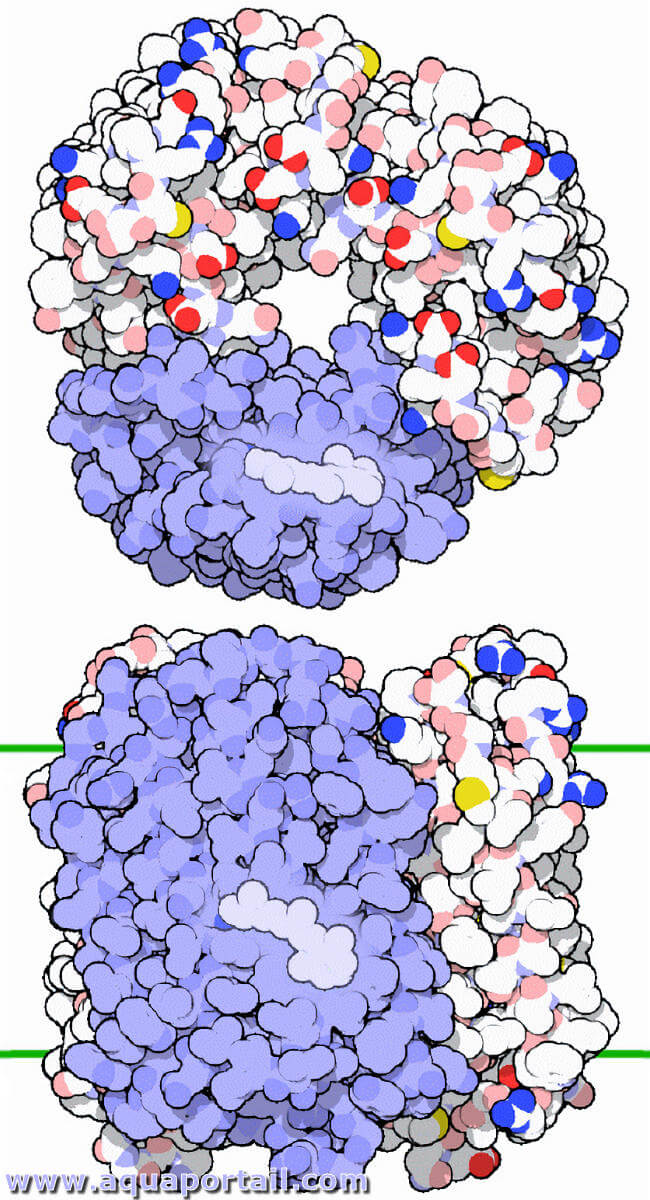
Bacteriorhodopsin (or proteorhodopsin) is a pigment of extreme halophilic photosynthetic archaebacteria.
bacterium

A bacterium is a unicellular prokaryotic microorganism, primarily round, spiral, or rod-shaped, that generally lives in soil, water, organic matter...
Simple summary
Bloodworms are aquatic larvae belonging to the non-biting midge family (Chironomidae). These small reddish larvae are commonly found in freshwater habitats such as ponds, lakes, and slow streams. Their red coloration comes from hemoglobin, enabling them to thrive in low-oxygen sediments; rich in protein, they are widely used as fishing bait and aquarium fish food.
