Diplophasic
adjective (adj.)
Definition
In sexual reproduction, a diplophasic cycle is diplontic among sexual life cycles involving alternating haploid (n) and diploid (2n) stages—that is, a shift in ploidy. In the diplophasic life cycle, the diploid stage is multicellular and haploid gametes are formed; meiosis is termed gametic.
A diplophasic cycle with dominant diplophase:
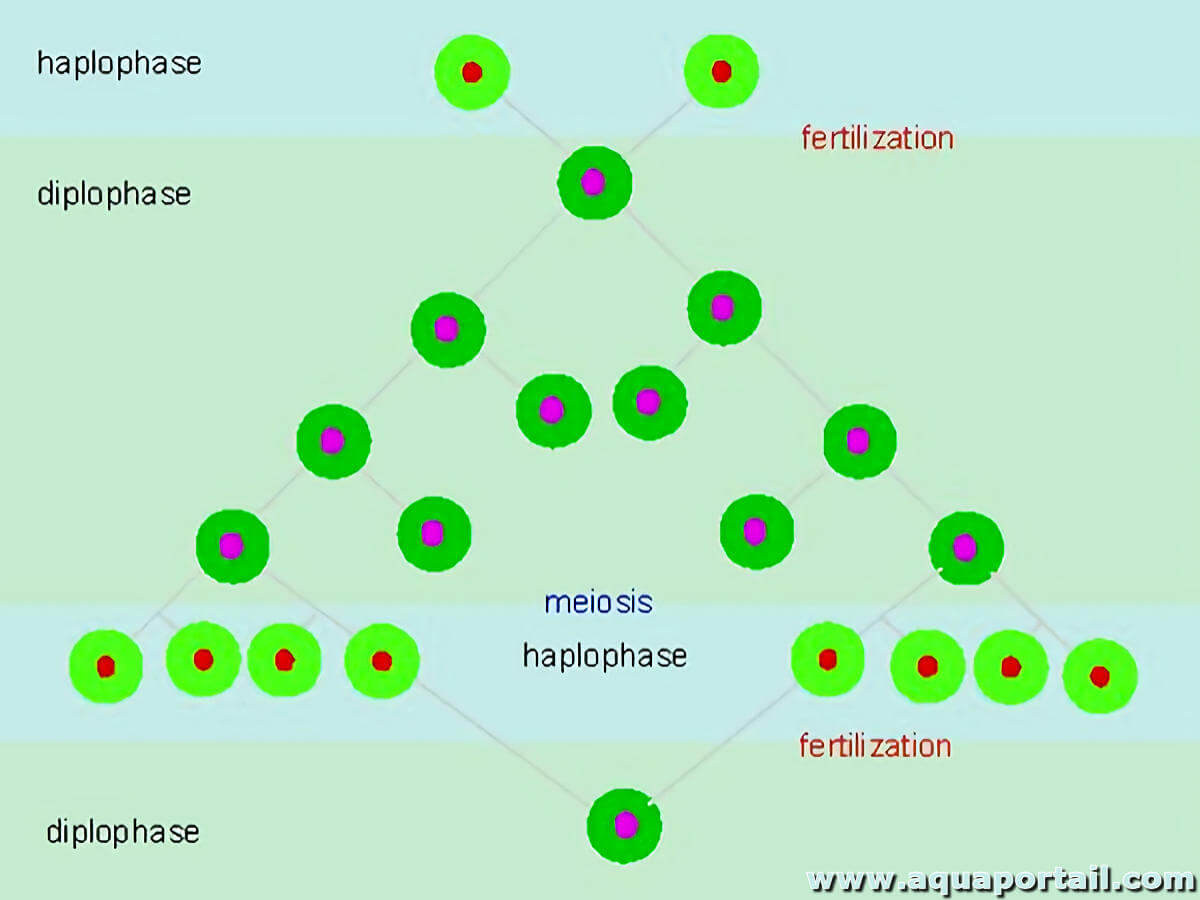
Alternation of generations in a diplophasic cycle: the diploid phase (diplophase) predominates. Reduction division (meiosis) occurs during gamete formation.
Explanations
The diploid period of this cycle is called the diplophase, which is digenetic. It complements the haplontic cycle (haplophasic, of the haplophase) and the haplodiplontic (haplodiplophasic) cycle.
In gametic meiosis, instead of immediately dividing meiotically to produce haploid cells, the zygote divides mitotically to produce a multicellular diploid individual or a group of diploid cells that are no longer unicellular. Cells of the diploid individuals then undergo meiosis to yield haploid cells or gametes. Haploid cells may divide further (by mitosis) to form additional haploid cells, as in many yeasts, though the haploid phase is not the predominant phase of the life cycle. In most diplonts, mitosis occurs only in the diploid phase, during which gametes typically form rapidly and fuse to give diploid zygotes.
Across the entire cycle, gametes are generally the sole haploid cells, and mitosis usually occurs only in the diploid phase.
The multicellular diploid individual is a diplont, which is why gametic meiosis is also referred to as a diplontic life cycle.
Synonyms, antonyms
Spanish translation: diplofásico
1 synonym (similar meaning) for "diplophasic":
0 antonyms (opposite meaning).
Related words and expressions to DIPLOPHASIC are directly connected by general or specific meaning.
The word DIPLOPHASIC is listed on page 1 of words starting with D in the dictionary glossary.
Related to "diplophasic"
diplobiontic
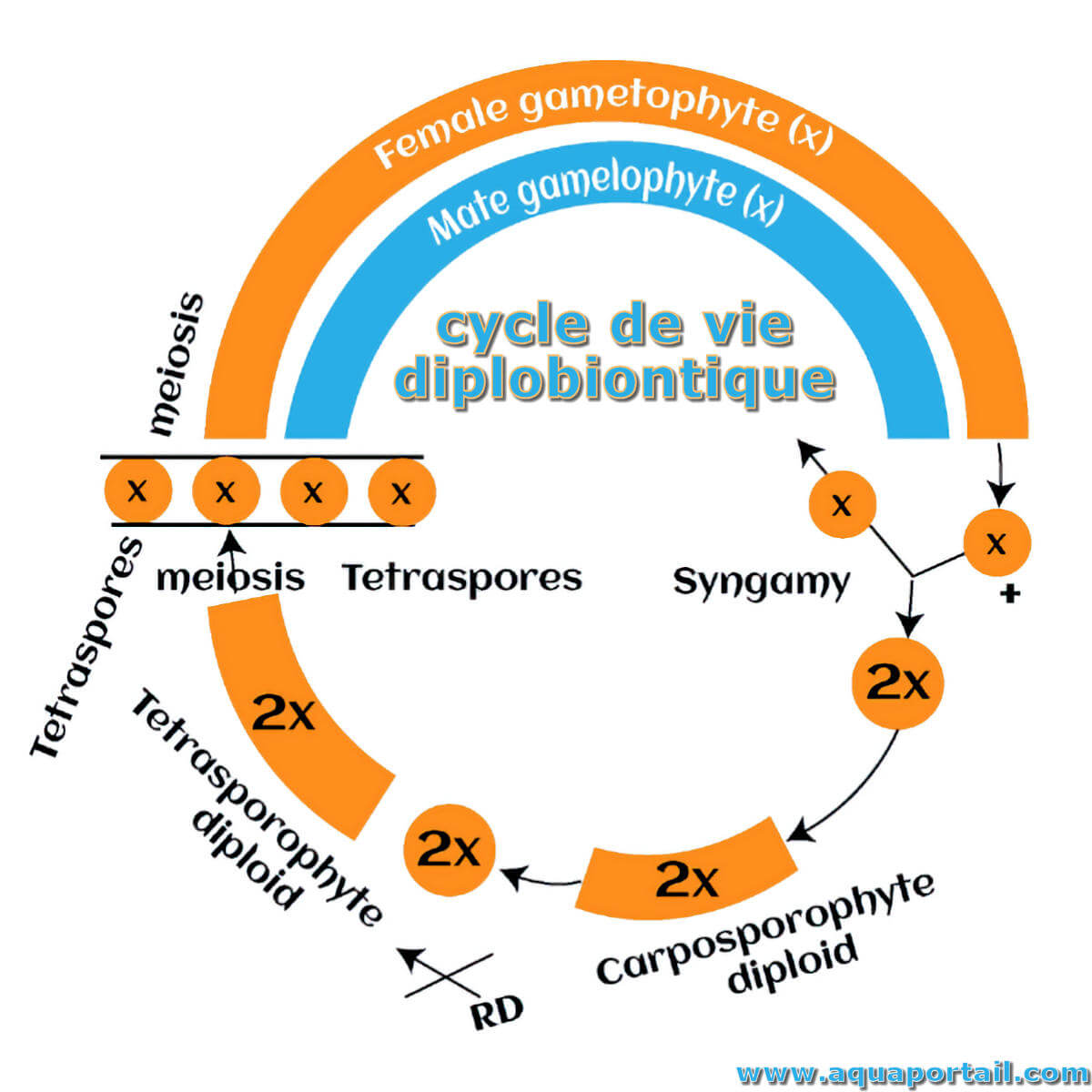
An organism is diplobiontic when it is represented by two types of individuals in nature, as opposed to haplobiontic.
diploid
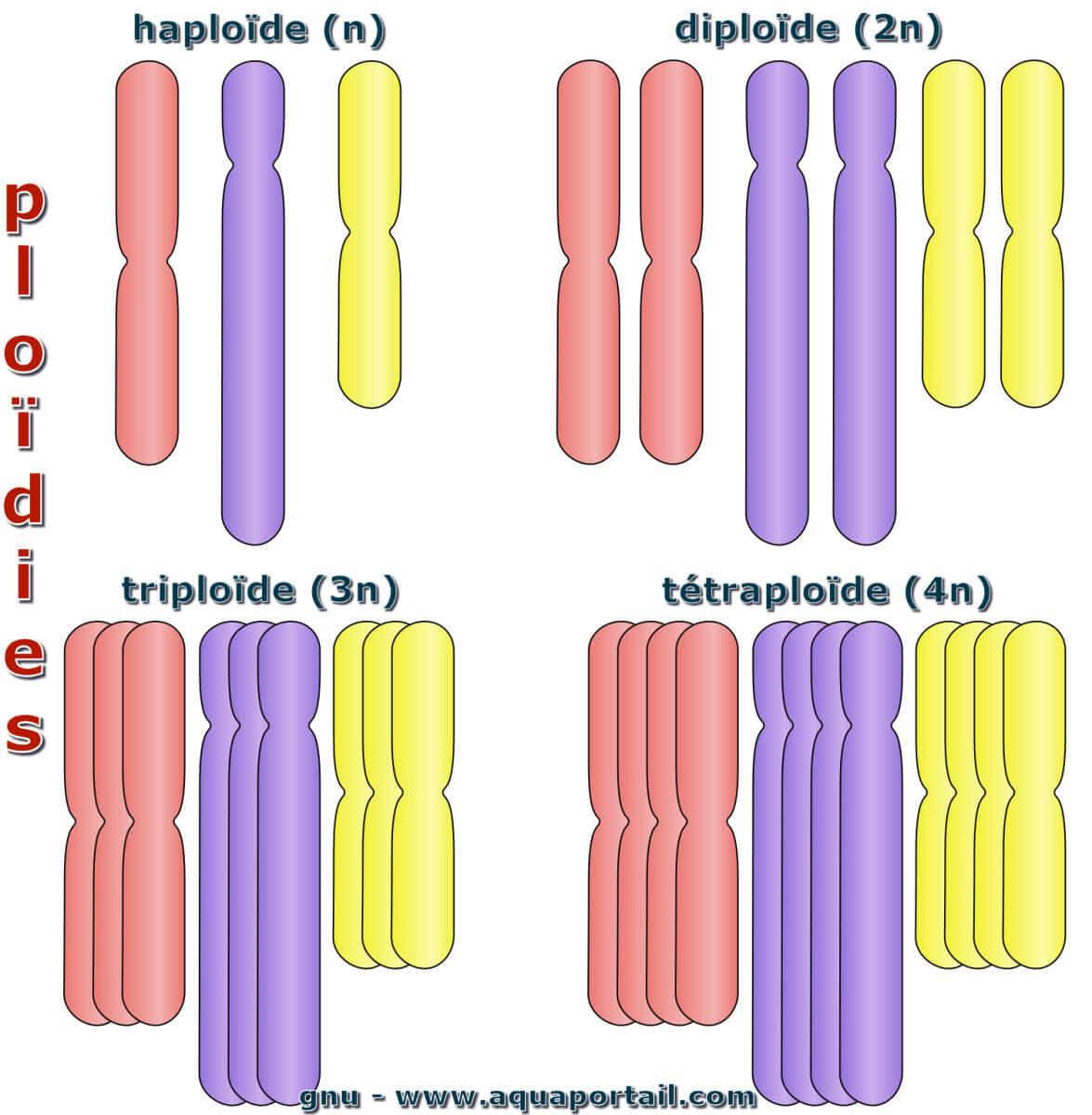
A diploid cell comes from an organism or tissue whose cells possess two sets of chromosomes, denoted 2n, as opposed to haploid with 1n chromosomes...
diplont

A biological organism is a diplont when it is diploid, as opposed to a haplont. Every diplont experiences a phase essentially having 2n chromosomes.
dale

A dale is a small valley or glen that does not (or no longer) contains a watercourse. The concave hollowed space of a dale is not large enough to build...
