Pasture
noun (n.)
Definition
Pasture is agricultural land covered with grasses and herbaceous vegetation on which livestock graze. In a narrower sense, a pasture is a natural or seeded grassland managed for grazing livestock.Pasture provides forage for livestock:

Pasture (shown here for grazing sheep) is grassy land whose herbaceous vegetation, including grasses, is consumed by livestock.
Explanations
A pasture is an area covered with herbaceous plants intended for feeding livestock, generally a grassland. Animals graze on grasses and forbs in situ according to the seasons; when livestock are housed indoors during unfavorable seasons, pasture is replaced by harvested fodder crops. Animals raised on pasture are grazers with an herbivorous or graminivorous diet.
When sheep graze in urban or peri-urban green spaces to maintain grassland vegetation, the practice is known as conservation grazing (eco-grazing). See also common grazing.
Pasture grasses with extensive tillering (such as bluegrasses) can be sown at lower seeding rates, and with proper rotational management, early grazing poses no threat to stand persistence.
By extension to aquatic ecosystems, algal grazing occurs among herbivorous "grazing" fishes that feed on periphyton, algae, microorganisms, and organic matter on submerged surfaces.
The main livestock species raised on pasture include cattle, sheep, goats, horses, camelids, and certain poultry or ratites such as geese, ducks, chickens, and ostriches, kept primarily for animal production (milk, meat, wool, hides).
⭐ Broadly speaking, grazed woodlands (silvopasture) as well as natural steppes, savannas, and tundra serve as rangelands for extensive livestock grazing; livestock herding across open natural biomes is called pastoralism.
Particularly in arid zones, different grazing management systems are used: a pasture enclosed by fences or barriers is called a paddock or enclosure, in contrast to open unfenced rangeland.
The term pasture (or forage) is also used by extension in relation to wildlife, honeybees (nectar/pollen forage such as willows), and herbivorous birds.
✅ Altogether, grazing lands (permanent pastures and rangelands) today account for roughly 26–27% of Earth's ice-free land surface.
Uses of pastures
Unlike hay meadows, pastures are not primarily mowed for forage conservation (such as hay or silage production), but instead have their standing growth grazed directly by animals. Transitional forms are mown pastures, which are both grazed temporarily and cut for hay or silage within the same year.
Higher utilization frequency in pastures compared with hay meadows promotes a dense turf and favors rosette-forming forbs (such as plantains and dandelions).
Agricultural pasture management is divided into continuous and rotational grazing systems, encompassing permanent pastures, rotational paddocks, and seasonal alpine pastures.
In southern France (Camargue and Languedoc), coastal salt-marsh pastures grazed by Camargue horses and bulls are locally called enganes or sansouires.
History
In Neolithic (Stone Age) settlement remains, fossil beetles, pollen, and plant macroremains reveal that parts of Central Europe already featured a landscape densely shaped by fields and pastures over 7,000 years ago, though early herding likely resembled shifting cultivation.
Until the modern era, the three-field system was widely practiced in Central Europe, with fallow fields grazed by livestock. In the Middle Ages, communities maximized the use of "common pastures" (commons) as well as grain stubble fields between harvest and resowing.
During that period, arable weed communities contained a far higher proportion and species richness of wild forbs than today.
Light grazing of young winter cereals stimulated tillering, while post-harvest stubble grazing helped suppress weeds and fed livestock, whose manure naturally fertilized the fields.
Once spring grain growth resumed, livestock were kept out of cultivated fields; plots were enclosed with thorny brush, dry-stone walls, and earthen embankments from which hedgerows developed.
Ecology
Grazing has a profound impact on plant community composition, governed by stocking frequency, livestock species, fertilization, and management practices. Selective grazing promotes certain plant species while displacing others, making grazing regime a key ecological site factor.
For example, heavily stocked pastures receiving high nitrogen inputs become dominated by a few trampling-tolerant, fast-regenerating species—most notably perennial ryegrass (Lolium perenne)—whereas sheep grazing favors different plant assemblages.
Keeping turf closely cropped alters soil moisture dynamics relative to tall hay meadows. When plants are grazed too heavily by too many animals or without adequate recovery time—meaning plant regrowth falls behind animal intake—overgrazing occurs.
Conversely, insufficient grazing pressure (undergrazing) can lead to shrub encroachment and undesirable shifts in vegetation composition.
Boundary structures such as hedgerows, stone walls, or ditches also play a major ecological role as wildlife habitats and corridors.
✅ Globally, conservation grazing projects have expanded substantially to protect calcareous grasslands, butterflies, birds, and pollinating insects; roughly 85% of evaluated European conservation grazing schemes are rated broadly successful and 12% partially successful.
Browsing damage (abroutissement)
In forestry and ecology, browsing by livestock or wild ungulates refers to feeding on buds, shoots, and leafy twigs of woody plants, leaving browsed trees and shrubs stunted or deformed.
Synonyms, antonyms
Spanish translation: pastoreo, pastizal
6 synonyms (similar meaning) for "pasture":
- alpine pasture
- field
- grassland
- grazing land
- meadow
- paddock
0 antonyms (opposite meaning).
Related words and expressions to PASTURE are directly connected by general or specific meaning.
The word PASTURE is listed on page 1 of words starting with P in the dictionary glossary.
Related to "pasture"
browsing
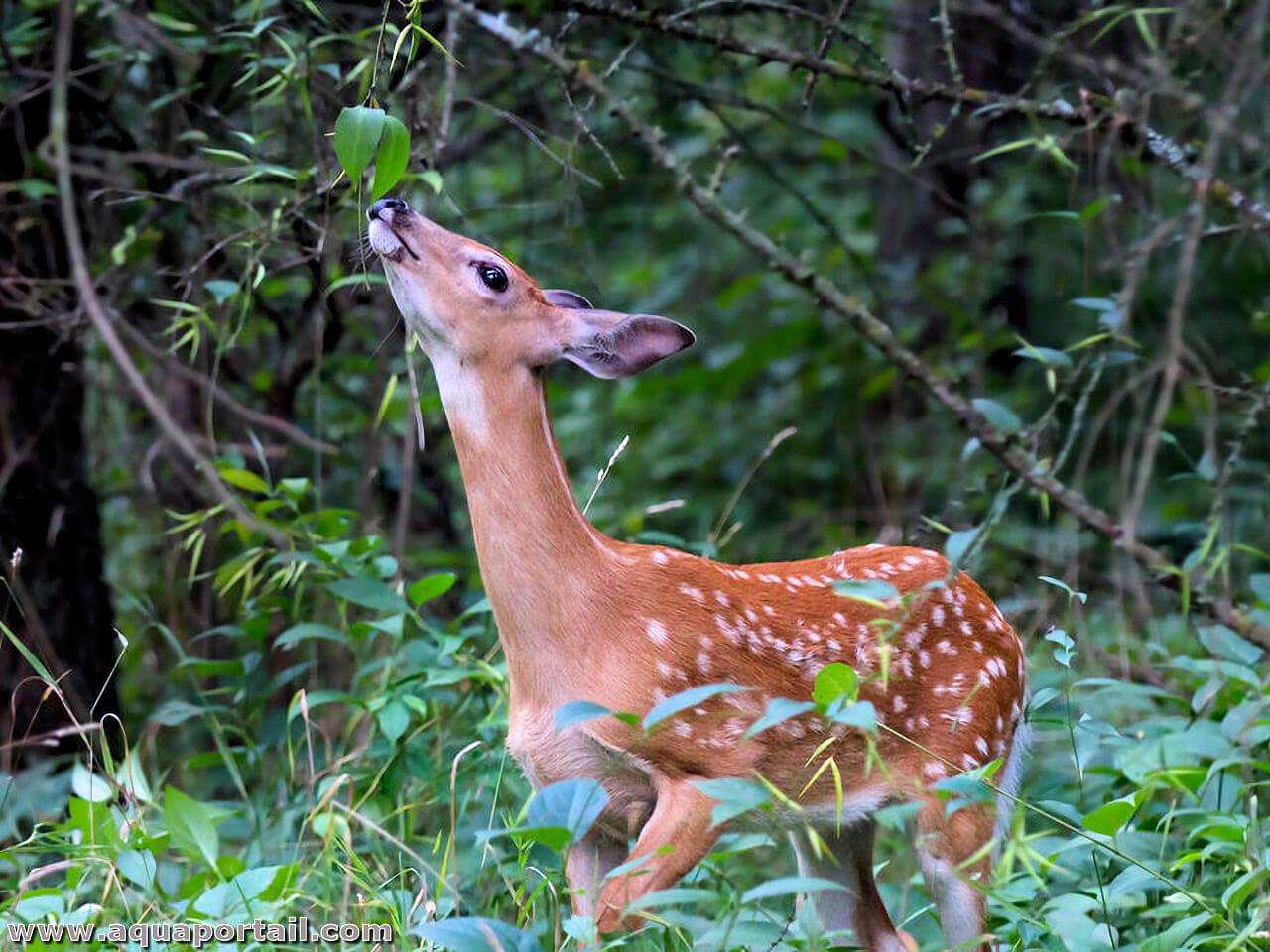
Browsing is a feeding strategy in which an herbivore (or strictly a folivore) feeds on leaves, soft shoots, or fruits of high-growing, generally woody plants...
eco-grazing
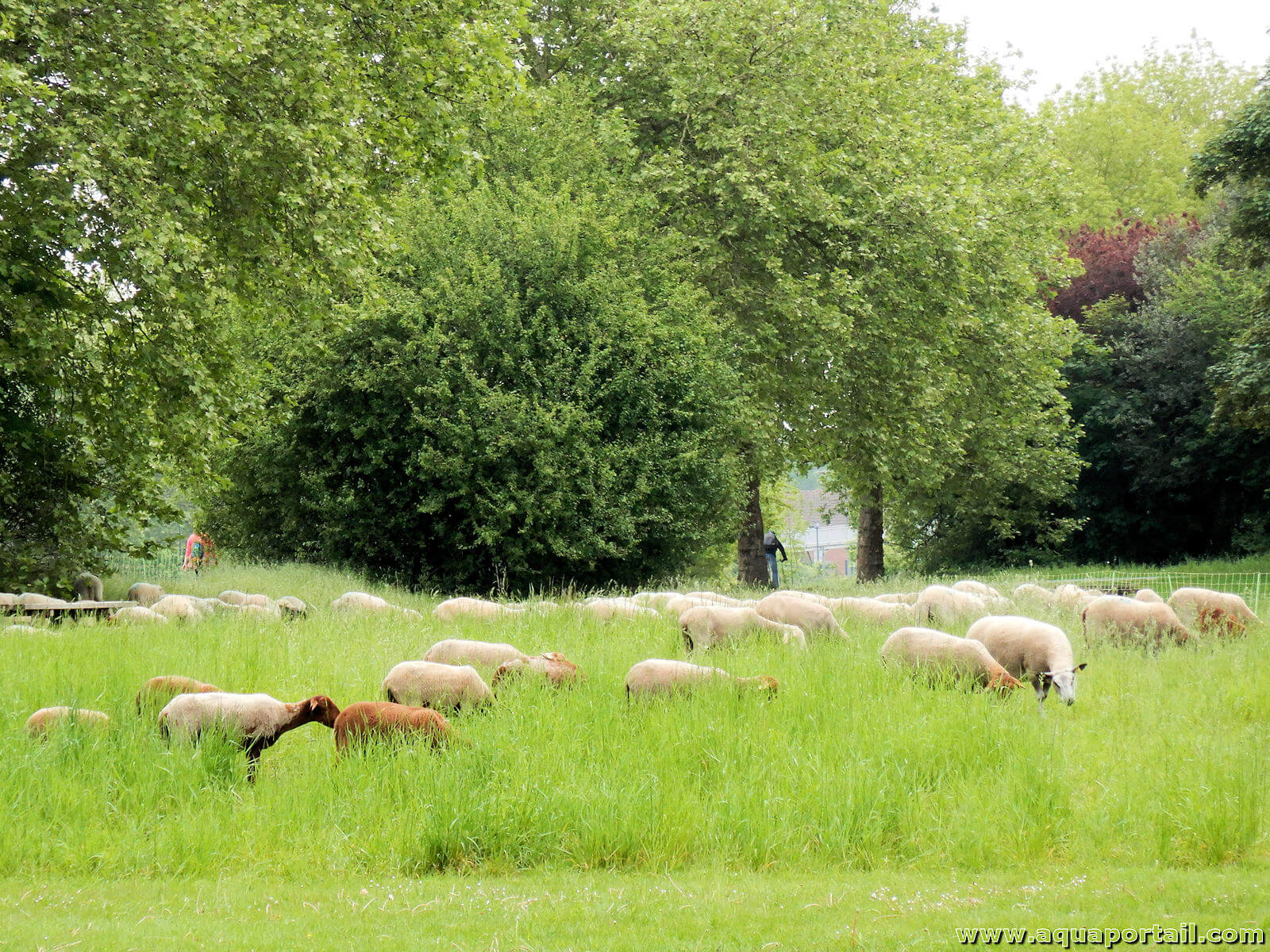
Eco-grazing is ecological grazing carried out with small ruminants on a meadow or green space in an urban environment.
paedomorphosis

Paedomorphosis (juvenilization) is a phylogenetic change involving the retention of juvenile or even larval traits into a later (adult) stage.
pandemic

A pandemic is the widespread outbreak of an epidemic infectious disease across a vast geographic area at a given time.
