Nematode
noun (n.)
Definition
Nematodes are elongated roundworms whose adult and larval stages parasitize various aquatic species. They form lineages of worms present by the billions in many habitats, many of which are microscopic. Certain species, such as pinworms, live as parasites, often as endoparasites.
A nematode worm larva:

The nematode larva is an endoparasitic worm of fungi in the class Secernentea.
Explanations
A nematode belongs to an invertebrate phylum, Nematoda, consisting of fusiform, unsegmented roundworms covered by a cuticle. Nematodes form a group of worms that are very abundant in soils, where they participate in litter decomposition. The outer surface of the adult worm is very tough and is called the cuticle, composed of scleroproteins, normally smooth, although some species display cuticular striations or ridges.
Beneath the cuticle lie several muscle layers and a fluid-filled space acting as a hydrostatic skeleton, called a pseudocoelom, which promotes nutrient distribution and waste collection and also houses the gonads. All internal organs "float" in this fluid. Internal organ systems consist of a complex nerve cord (ganglia linked around the esophagus) and a well-developed digestive system with a buccal capsule (bearing the aforementioned hooks, teeth, plates, or papillae), esophagus, intestine, and anus. They lack a circulatory system, so moving internal fluid requires body movement to generate hydrostatic pressure.
⭐ There are certain parasitic nematodes of fish, such as the guppy roundworm Camallanus cotti, or parasitic diseases such as capillariasis caused by species of the genus Capillaria.
Nematodes are primarily aquatic organisms, although they also thrive in terrestrial environments. They differ from other worms in being pseudocoelomates, unlike coelomate annelids and higher animals. There are free-living marine and soil species, as well as parasitic species of plants and animals, including humans. They are causative agents of foodborne illnesses and cause diseases such as trichinosis, filariasis, anisakiasis, hookworm disease, ascariasis, strongylosis, toxocariasis, etc. However, the number of species directly parasitizing humans and those parasitizing plants (plant-parasitic nematodes) constitutes a very small fraction compared to the total number of species in the phylum Nematoda.
They account for 90% of all life forms on the ocean floor. The numerical dominance of nematodes, which often exceed one million individuals per square meter (10.8 sq ft), is reflected in the fact that 80% of all individual animals on Earth are nematodes. The diversity of their life cycles and their presence across countless habitats suggest they play a vital role in many ecosystems.
✅ If we swept away all matter in the universe except nematodes, our world would still be dimly recognizable, and if, as disembodied spirits, we could investigate it, we should find its mountains, hills, vales, rivers, lakes, and oceans represented by a film of nematodes. The location of towns would be decipherable, since for every massing of human beings there would be a corresponding massing of certain nematodes. Trees would still stand in ghostly rows representing our streets and highways. The location of the various plants and animals would still be decipherable, and, had we sufficient knowledge, in many cases even their species could be determined by an examination of their erstwhile nematode parasites.
⭐ Species diversity is immense. Nematodes range from less than 1 mm (0.04 in) to 50 cm (19.7 in) in length and even longer. The female of the species Placentonema gigantissima reaches 8 meters (26 ft) in length and 2.5 centimeters (1 in) in diameter, making it the largest known nematode; it parasitizes the placenta of sperm whales and possesses 32 ovaries!
See also filariae, microfilariae, and the specialized renette cells present in certain parasitic nematodes such as Wuchereria bancrofti.
Telogonic
In Nematodes, a telogonic generation refers to a mode of gametogenesis in which germ cells proliferate at the distal end of the gonadal tube, as opposed to hologonic.
In contrast to hologonic nematodes, telogonic nematodes produce new germ cells only at the distal end of the gonad.
During gamete formation, gametogonia bud off from the proximal end of the gonad. These gametogonia undergo gametogenesis as they migrate toward the distal end of the gonad. This method of germ cell formation is termed telogonic and occurs commonly in most nematodes.
In a telogonic gonad, the following three zones can be identified:
- germinal zone: this zone is also called the proliferation zone. It is located at the proximal end of the gonad and consists of a single large terminal cell. In front of this terminal cell lies a large apical cell from which gametogonia bud off.
- growth zone: the growth zone follows the germinal zone. In this growth zone, gametogonia are attached to the cytoplasmic rachis. Here, they develop and differentiate into amoeboid gametocytes.
- maturation zone: the maturation zone is the most distal zone, where gametocytes detach from the cytoplasmic rachis to undergo maturation. After maturation, gametocytes transform into gametes. The maturation zone is followed by a gonoduct (sperm duct and oviduct).
Synonyms, antonyms
Spanish translation: nematodo
6 synonyms (similar meaning) for "nematode":
- Argulus
- capillariasis
- endoparasite
- guppy roundworm
- nematode worm
- parasite
0 antonyms (opposite meaning).
Related words and expressions to NEMATODE are directly connected by general or specific meaning.
The word NEMATODE is listed on page 1 of words starting with N in the dictionary glossary.
Related to "nematode"
adelphoparasite
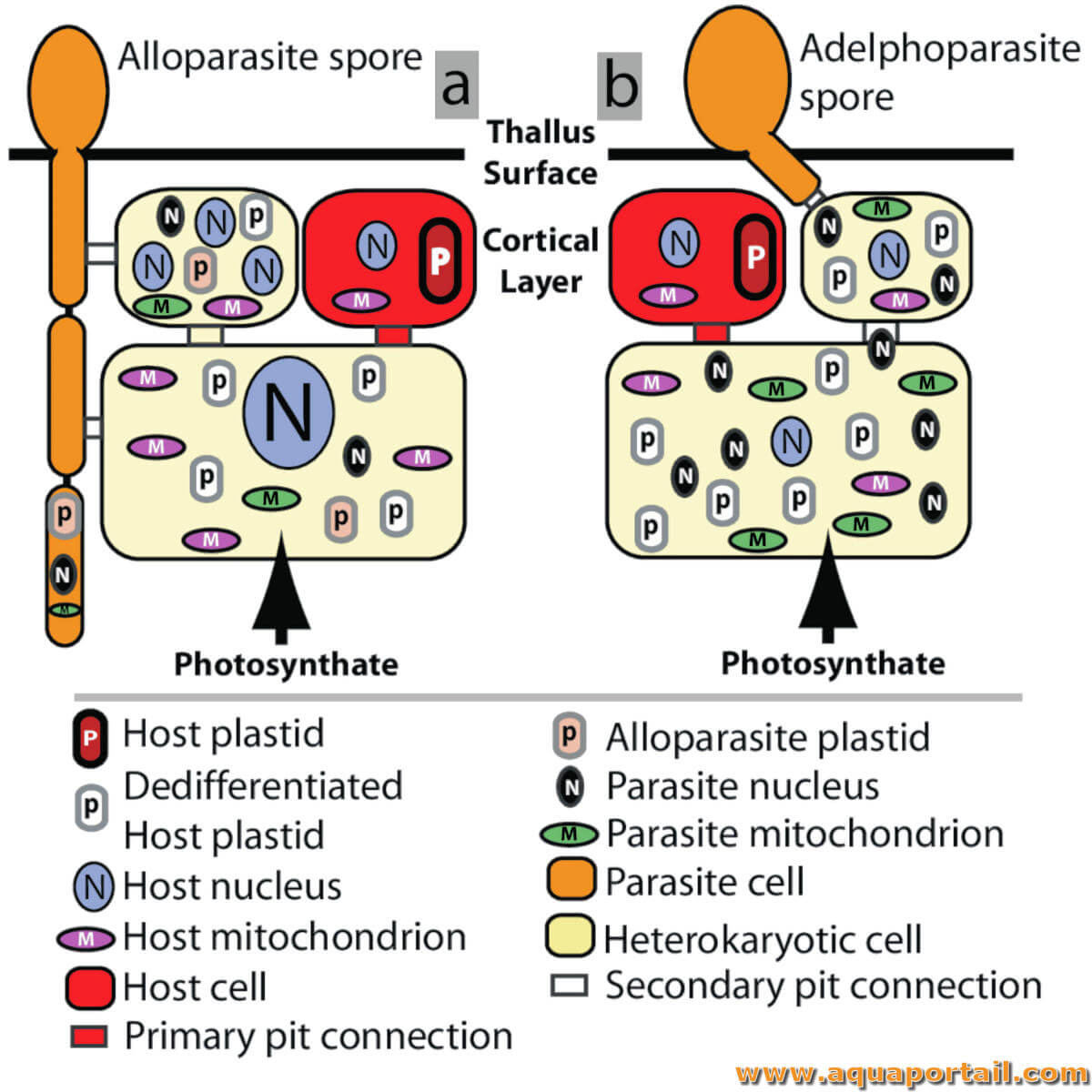
An adelphoparasite is a parasitic organism closely related to its host, often within the same family and sometimes the same genus.
nematocyst
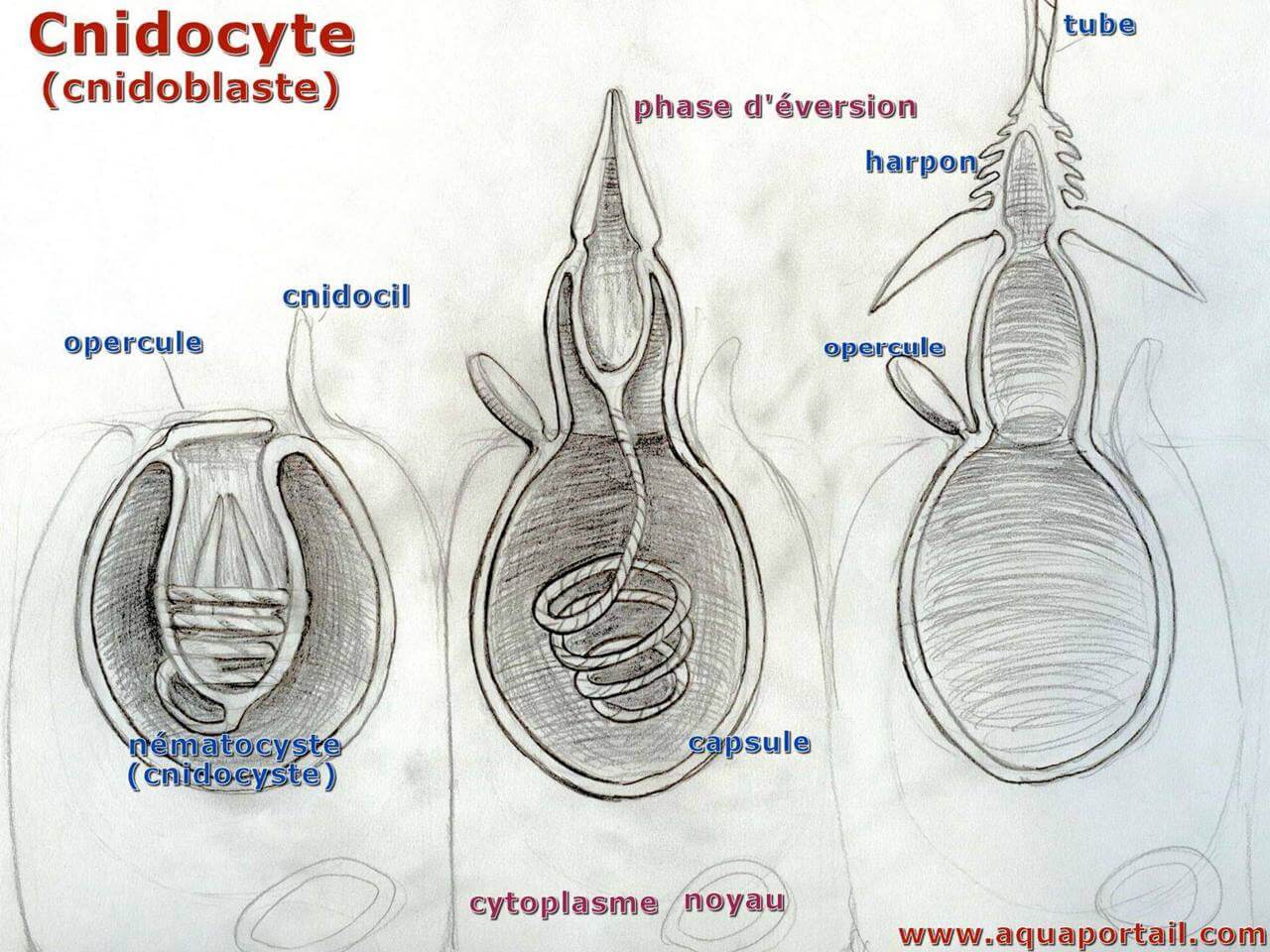
In certain cnidarians, nematocysts, or cnidocysts, are organelles enclosing a thread-like structure.
nanobacterium
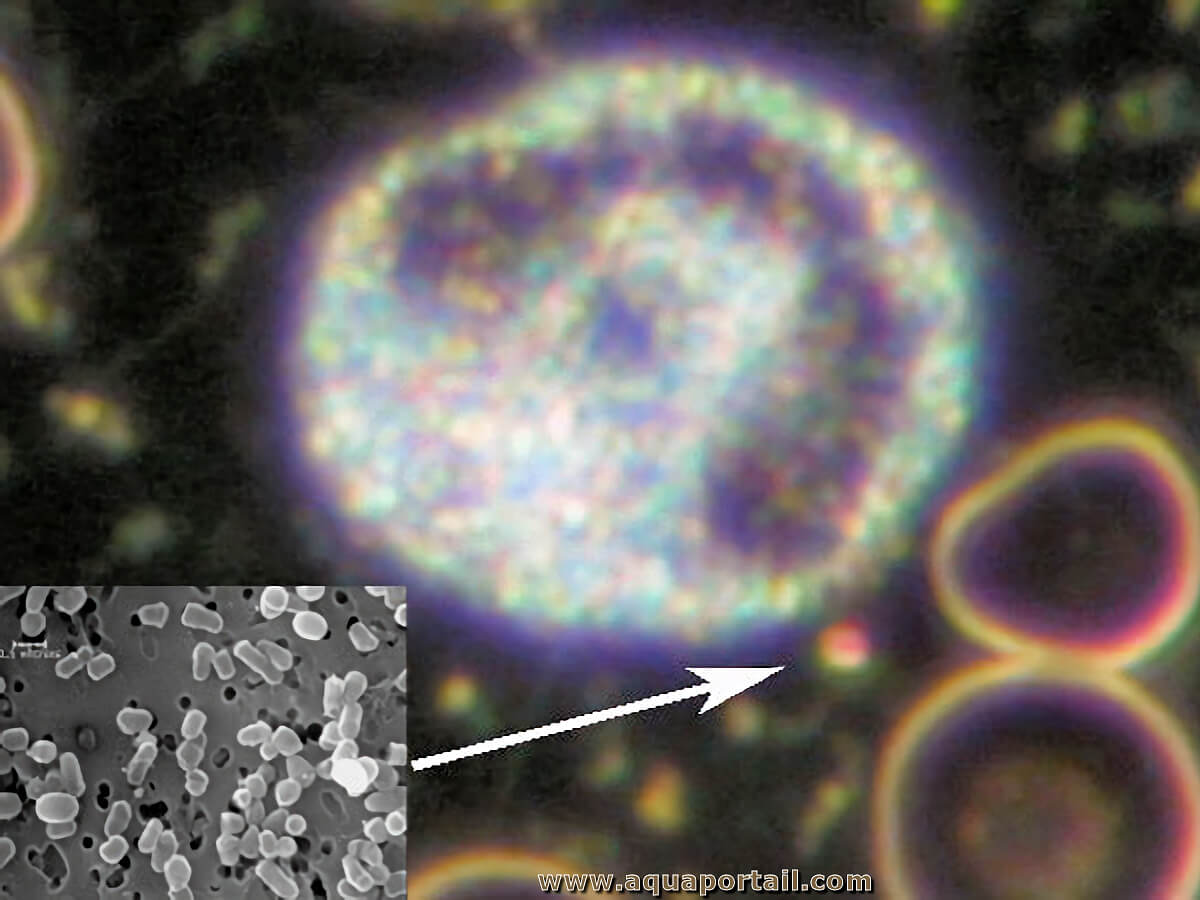
A nanobacterium is a submicron particle initially described as a hypothetical bacterial microorganism the size of a nanobe.
nanobe
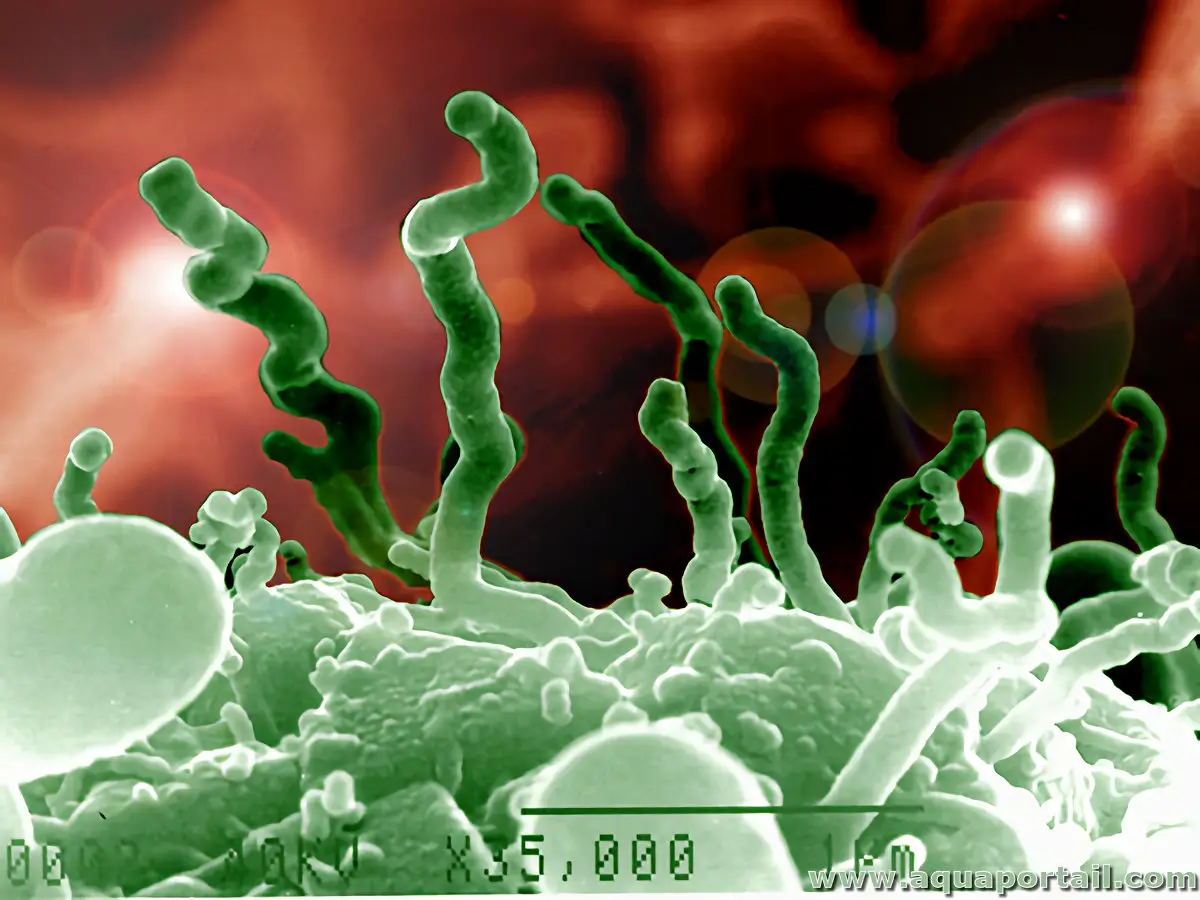
A nanobe is a tiny filamentous structure initially proposed as a hypothetical nanometer-scale microbe discovered in certain rocks and sediments, closely...
Simple summary
A nematode is a type of roundworm belonging to the phylum Nematoda. These worms are extremely diverse and are found in varied habitats, ranging from soil and water to the interior of plants and animals. Some nematodes are beneficial in ecosystem nutrient cycling, while others are parasitic and can cause diseases in plants, animals, and humans. Although generally microscopic, nematodes can exhibit considerable variations in size.
