Intertidal
adjective (adj.)
Definition
What is intertidal relates to a tidal fluctuation zone, typically a foreshore. An intertidal organism lives in the tidal range zone, between the levels of lowest low water and highest spring high water. See also subtidal or tidal, and the intertidal zone. Intertidal designates the seashore zone that is covered at high tide and uncovered at low tide.
An intertidal landscape:

The intertidal landscape displays several zones where tides act, with high tide covering a large portion of the landscape and low tide leaving it uncovered (as shown here).
Explanations
The intertidal zone is divided into four distinct regions:
- Lower littoral zone
- Midlittoral zone
- Upper midlittoral zone
- Splash zone.
The splash zone is the upper part of the beach that is occasionally splashed by sea spray, yet never submerged by seawater.
The intertidal zone or littoral zone maintains a balance between land and sea. It harbors specially adapted marine plants and animals. These organisms, in turn, serve as food for numerous other animals.
Actophilous organism
An actophilous organism lives on rocky shores in the wave-splashed, hence intertidal, zone. Stricto sensu, an actophile thrives on rocky shores.
In psychology, actophiles are living beings that prefer or have a particular fondness for living on beaches or shores. Actophilous creatures, or even humans, prefer or have a particular affinity for life on seashores or beaches.
Behavior of intertidal fishes
Although many intertidal fish species emerge from the water during severe hypoxia, they generally remain inactive while emersed and seek shelter to reduce the risk of predation and desiccation. However, a few intertidal fishes have evolved an active amphibious lifestyle; they emerge completely and travel considerable distances across mudflats at low tide.
Mudskippers are probably the best-known amphibious fishes, with the genus Periophthalmus being the most widespread. These fishes use their skin and the mucosa of their buccal cavity to extract oxygen from the air and, as their common name (mudskippers) indicates, they "skip" across mudflats using their pectoral fins and tail.
Many species of gobies live in burrows. For example, Scartelaos histophorus constructs J-shaped intertidal burrows in which it stores air in an inverted blind pocket not connected to the surface. To do this, it gulps air at low tide and carries it into the air pocket, enabling the goby to breathe air while confined in its burrow at high tide. Once oxygen in the air pocket has been depleted during a high-tide cycle, it is replenished at the earliest opportunity. Replenishing the air supply takes place over a concentrated period, involving 6 to 15 air-deposition trips per minute.
Terrestrial emergence behavior in fishes can thus lead to increasingly intense emergence behaviors. In the mangrove rivulus (Kryptolebias marmoratus), exposure to aquatic hypoxia resulted in more frequent emergence of individuals, and over time, fishes spending considerable time in open air remodeled their gills to reduce surface area. Consequently, they became more sensitive to aquatic hypoxia and emerged even more strongly.
Unlike amphibious fishes capable of moving easily in a terrestrial environment, certain species of lungfishes can enter a state of estivation during dry periods when they lack access to water. There are three genera of lungfishes, Neoceratodus, Lepidosiren, and Protopterus, all of which swim to the water surface to breathe air when leading their normal aquatic lifestyle. Lepidosiren paradoxa and the four African lungfish species are obligate air-breathers and cannot survive without access to air, whereas Neoceratodus is a facultative air-breather. Lungfishes Protopterus spp. live in Africa, in areas prone to seasonal drought. If water levels drop and they become exposed, they build a cocoon around themselves and estivate during the dry season, entering dormancy until rain refills their habitat with water. Certain species, such as Protopterus aethiopicus and Protopterus annectens, estivate in underground mud cocoons while Protopterus dolloi can estivate on land within a layer of dried mucus. During estivation, the metabolic rate is reduced and lungfishes rely entirely on their lungs to obtain oxygen from the air.
Synonyms, antonyms
Spanish translation: intermareal
1 synonym (similar meaning) for "intertidal":
0 antonyms (opposite meaning).
Related words and expressions to INTERTIDAL are directly connected by general or specific meaning.
The word INTERTIDAL is listed on page 1 of words starting with I in the dictionary glossary.
Related to "intertidal"
intertidal zone

The intertidal zone is an area of the foreshore subjected to tides, often in the spring tidal range zone.
tidal range
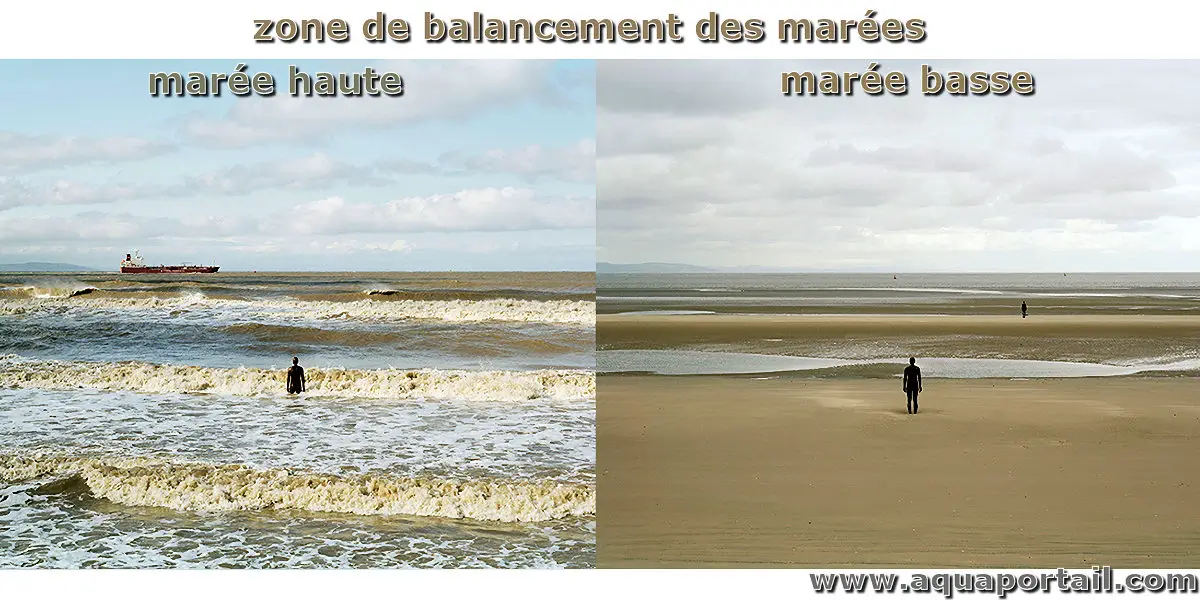
The intertidal zone (tidal range zone) is the portion of the tidal coastline undergoing alternating emersions and submersions following the tides.
ice sheet
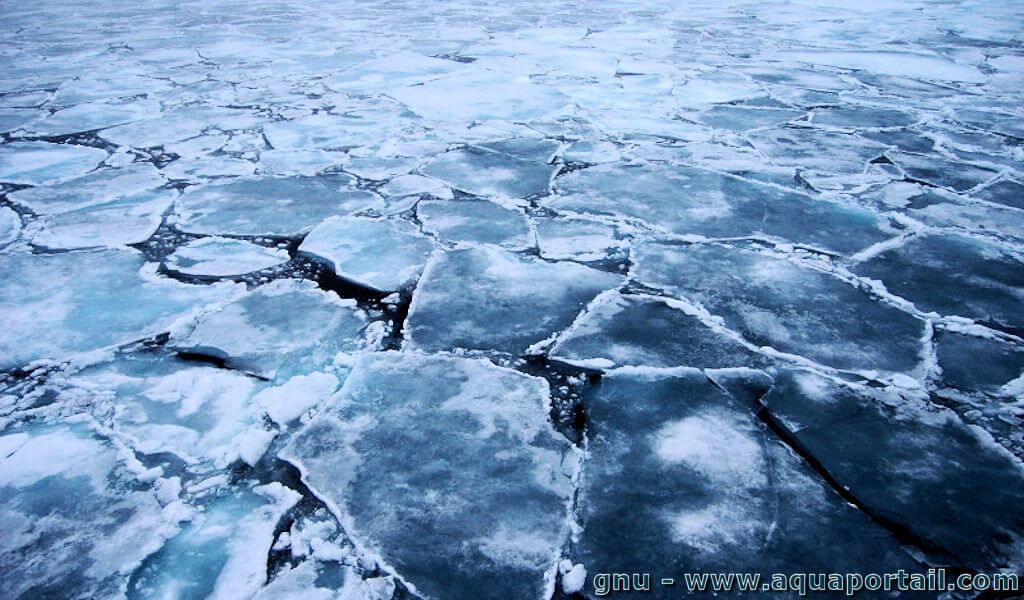
An ice sheet constitutes vast, very thick glacial expanses covering a large terrestrial surface area, such as the Antarctic ice sheet for example.
ichthyologist

An ichthyologist is a scientist who studies fish in the field of ichthyology. They conduct research and fieldwork on fishes across all aquatic environments.
