Achene
noun (n.)
Definition
An achene is a dry, indehiscent fruit (one that does not split open) containing a single seed, such as an acorn, a hazelnut, etc. The thin, sclerified, lignified pericarp of an achene is not fused to the seed, unlike a caryopsis. The ovary is short and monocarpellary. Achenes result from the fruiting of flowers after pollination.
Dandelion achenes:

The achene is a dry fruit containing a single seed, formed from a single carpel. Fruiting of the dandelion Taraxacum officinale produces achenes at the top of the floral receptacle: the entire floral receptacle is termed polyachene, and the plant is dialycarpous.
Explanations
The fruits of a large number of flowering plants, including Ranunculaceae and Lamiaceae, are achenes. The fruits of buttercup, clematis, buckwheat, and cannabis are typical achenes.
⭐ In French, achaîne is a rare spelling variant of achene, a dry, indehiscent, single-seeded fruit whose more or less sclerified pericarp is not fused to the seed.
A samara is a winged achene. A nutlet is an achene whose wall is hard and leathery, such as a beechnut. For Asteraceae, the term cypsela is more appropriate. A diachene is a group of two fused achenes derived from a two-locular ovary, as in Apiaceae, for example. A rose also produces achenes: each fruit, called a rose hip, holds several achenes.
Strictly speaking, the fruits of species in the family Asteraceae (or Compositae) are not true achenes, even though they are often described as such in botanical literature. True achenes are fruits derived from a monocarpellary ovary, whereas all fruits in this family derive from an inferior bicarpellary ovary.
Ash or maple (with double wings) produce samaras. Dandelion or artichoke have plumed achenes but are not samaras. Plumed achenes, with a tuft of hairs like the dandelion, enable wind dispersal. The achene is a diaspore. Achenes equipped with wings generally undergo anemochorous dispersal, such as maple.
A caryopsis, or grain, is a type of fruit that closely resembles an achene, yet differs in that the pericarp is fused to the thin seed coat in the grain.
A utricle is like an achene, except the fruit is an inflated bladder. A rectembryate achene refers to a seed or fruit in which the embryo has a straight radicle.
The fruits of sedges (Carex) are sometimes considered achenes, although their ovary is unilocular and composed of multiple carpels (enclosed in a perigynium/utricle).
The achenes of the strawberry are sometimes mistaken for seeds. The strawberry is an accessory fruit bearing a large number of achenes on a fleshy accessory receptacle.
The dark striped husks of a mature sunflower seed are cypselae. Many cypselae retain attached calyx tissue (pappus), aiding biological seed dispersal.
Unlike a single-seeded achene, a polyspermous fruit (many-seeded fruit) contains multiple seeds. In a sense, it possesses several seeds.
The French spellings achaine or achène are synonymous with akène (achene).
Amphicarpic
An amphicarpic plant is a plant that produces fruits, generally achenes, in two different forms, notably due to different positioning or different climatic conditions. Strictly speaking, an amphicarpic plant bears both fruit morphs on the same individual, primarily in certain Fabaceae such as peanuts.
Synonyms, antonyms
French translation:
akèneSpanish translation: aquenio
1 synonym (similar meaning) for "achene":
1 antonym (opposite meaning):
Related words and expressions to ACHENE are directly connected by general or specific meaning.
The word ACHENE is listed on page 1 of words starting with A in the dictionary glossary.
Related to "achene"
abiotic

In biology and ecology, abiotic refers to what is not biotic, that is, not part of living beings.
aboral

Aboral refers to what is situated away from or opposite the mouth in zoology, and especially in marine biology.
absence

Absence refers to non-presence at an expected location, or the complete non-existence of something.
acetyltransferase
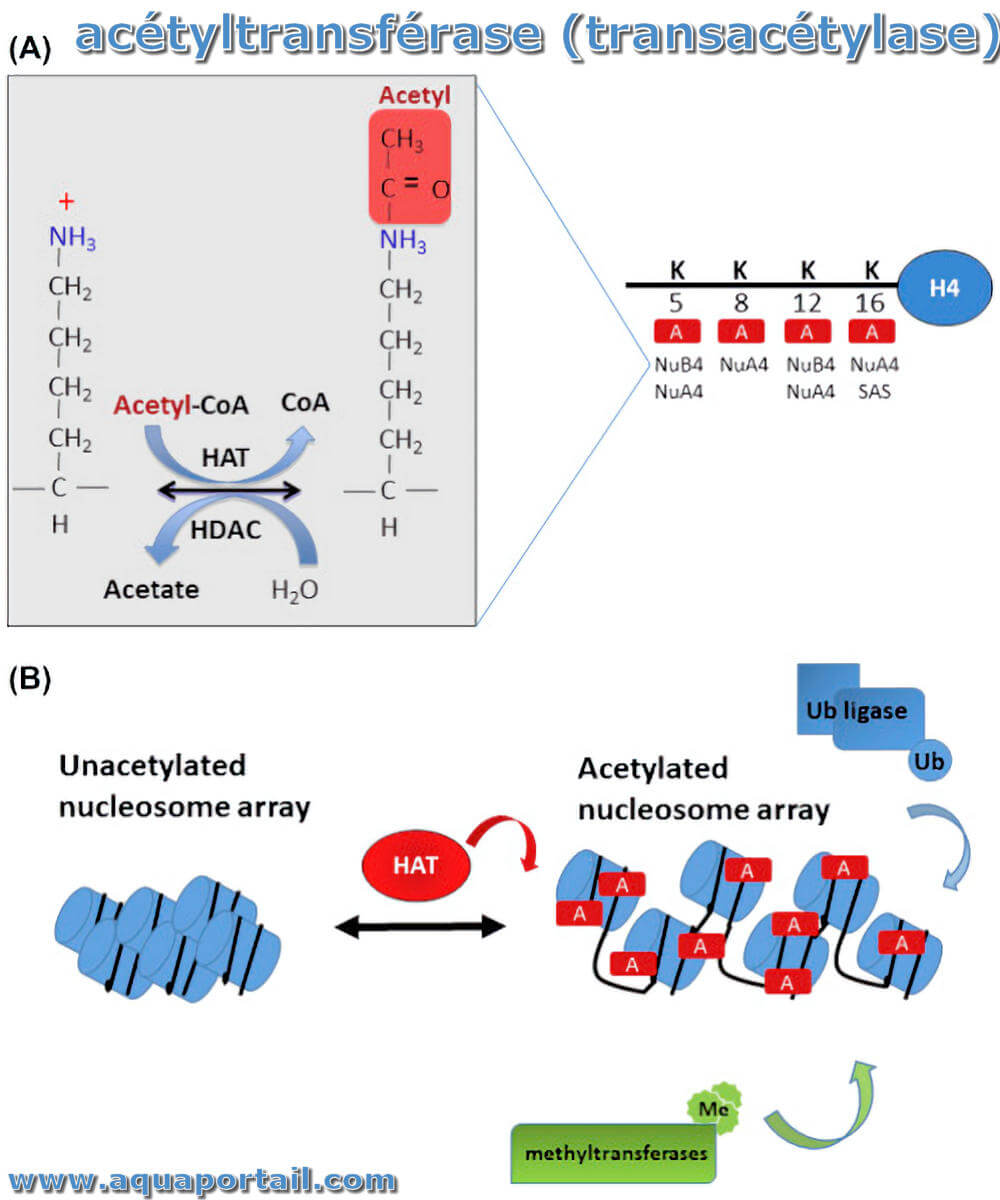
An acetyltransferase is an enzyme that transfers an acetyl group from acetyl-CoA to lysine amino acids.
