Anionic
adjective (adj.)
Definition
What is anionic in nature indicates a negative charge, as opposed to cationic (positive charge). A neutral charge is neither anionic nor cationic. An anionic group carries an overall negative charge.
Comparison of cationic and anionic:
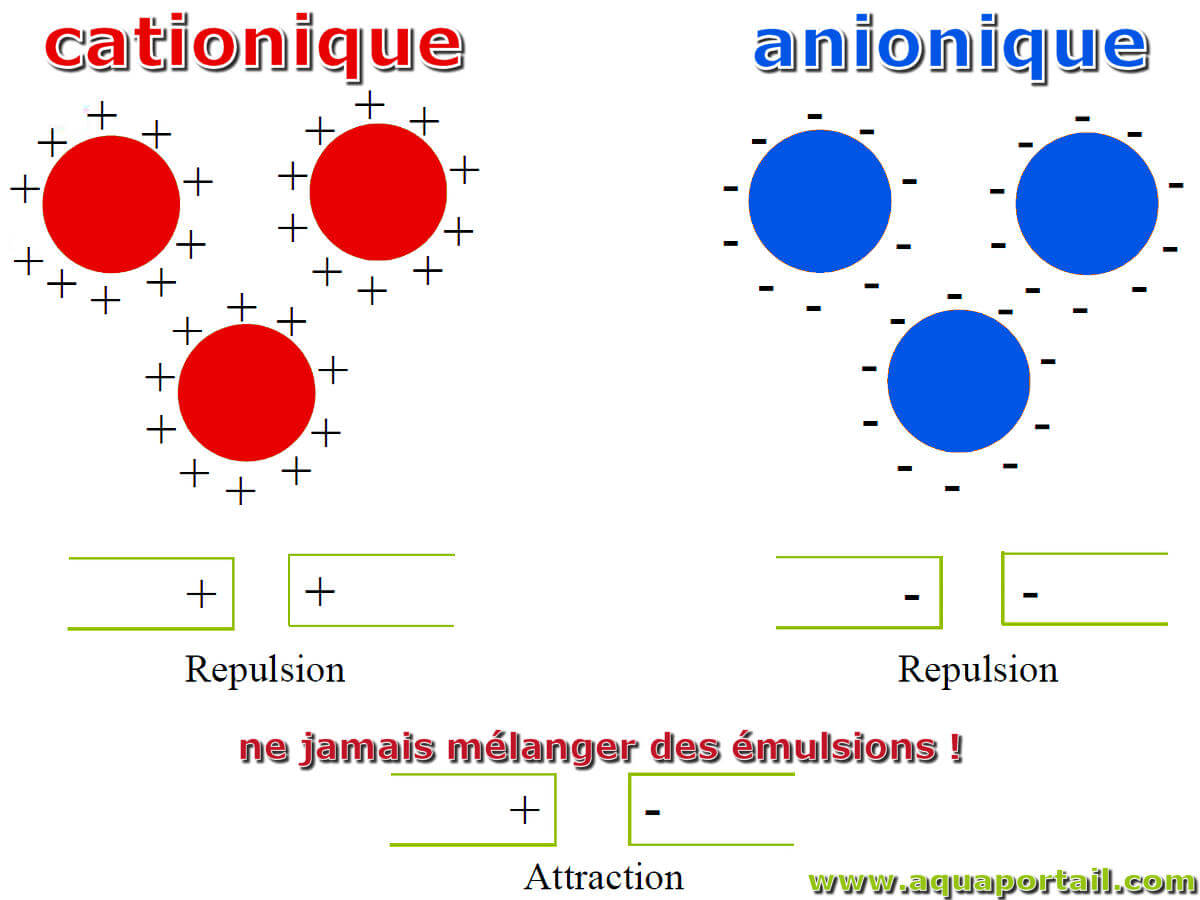
Comparison between cationic groups and anionic groups.
Explanations
Anionic is said primarily of carboxylated (-COO-) or sulfated (-OSO3-) algal mucilages which, carrying a large number of these negatively charged radicals, are polyanions.
Anionic refers to chemical substances that possess a negatively charged ion. Anionic compounds dissociate to release a negatively charged ion in aqueous solution. As such, they are effectively used to formulate corrosion-inhibiting surfactants.
A negatively charged ion is anionic, and it migrates toward the anode (positive electrode) during electrolysis.
Typical anionic surfactants are sodium lauryl sulfate and sodium laureth sulfate.
Cationic emulsions are widely adopted and used worldwide in road binder technologies and asphalt products. However, this was not always the case. Stable-grade anionic bitumen emulsion is a versatile and forgiving product. Compared to its cationic counterpart, the anionic type offers several advantages.
Anionic polymerization (anionic addition polymerization) is a form of chain-growth polymerization or addition polymerization of monomers initiated by anions. This type of reaction has many variants, though traditionally vinyl monomers are used. Anionic polymerization often involves living polymerizations, allowing control over the structure and composition of the resulting polymer.
Synonyms, antonyms
Spanish translation: aniónico
0 synonyms (similar meaning) for "anionic".
1 antonym (opposite meaning):
Related words and expressions to ANIONIC are directly connected by general or specific meaning.
The word ANIONIC is listed on page 1 of words starting with A in the dictionary glossary.
Related to "anionic"
abiotic

In biology and ecology, abiotic refers to what is not biotic, that is, not part of living beings.
aboral

Aboral refers to what is situated away from or opposite the mouth in zoology, and especially in marine biology.
absence

Absence refers to non-presence at an expected location, or the complete non-existence of something.
acetyltransferase
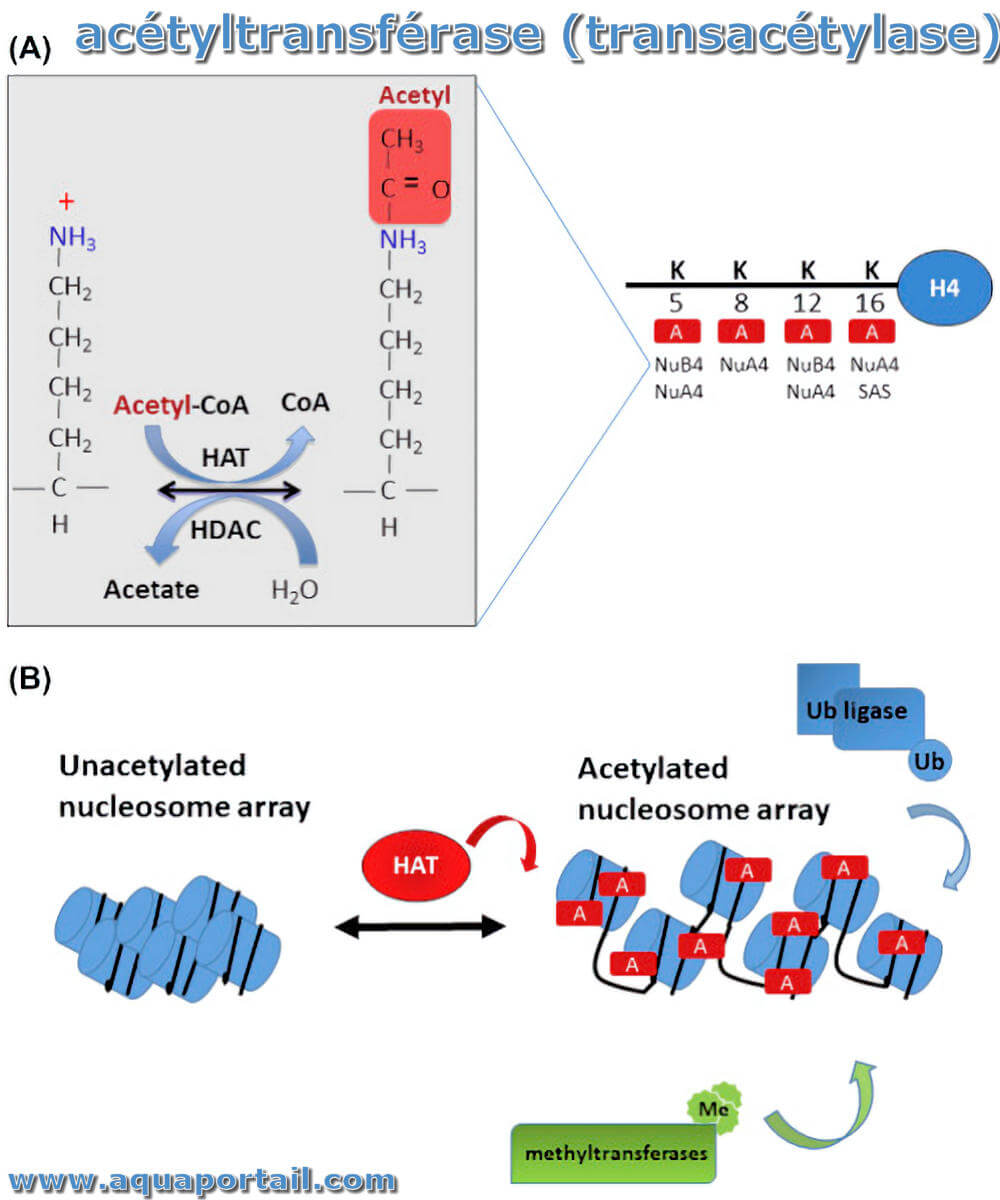
An acetyltransferase is an enzyme that transfers an acetyl group from acetyl-CoA to lysine amino acids.
