Eocene
proper noun
Definition
The Eocene epoch spans a geological time of the Cenozoic era, extending from 56 to 34 million years ago, belonging to the Paleogene period and system; within it, the Eocene follows the Paleocene and precedes the Oligocene. It began about 56 million years ago and ended about 34 million years ago.
During this time, some of the world's largest mountain ranges were formed, such as the Alps and the Himalayas, and several major climate changes took place: the Paleocene-Eocene Thermal Maximum, which raised the planet's temperature and marks the beginning of this geological epoch; and the Azolla event, a global cooling that gave way to the first glaciations. The mass extinction known as the "Grande Coupure" marks the end of the Eocene.
The Azolla event occurred during the Eocene:
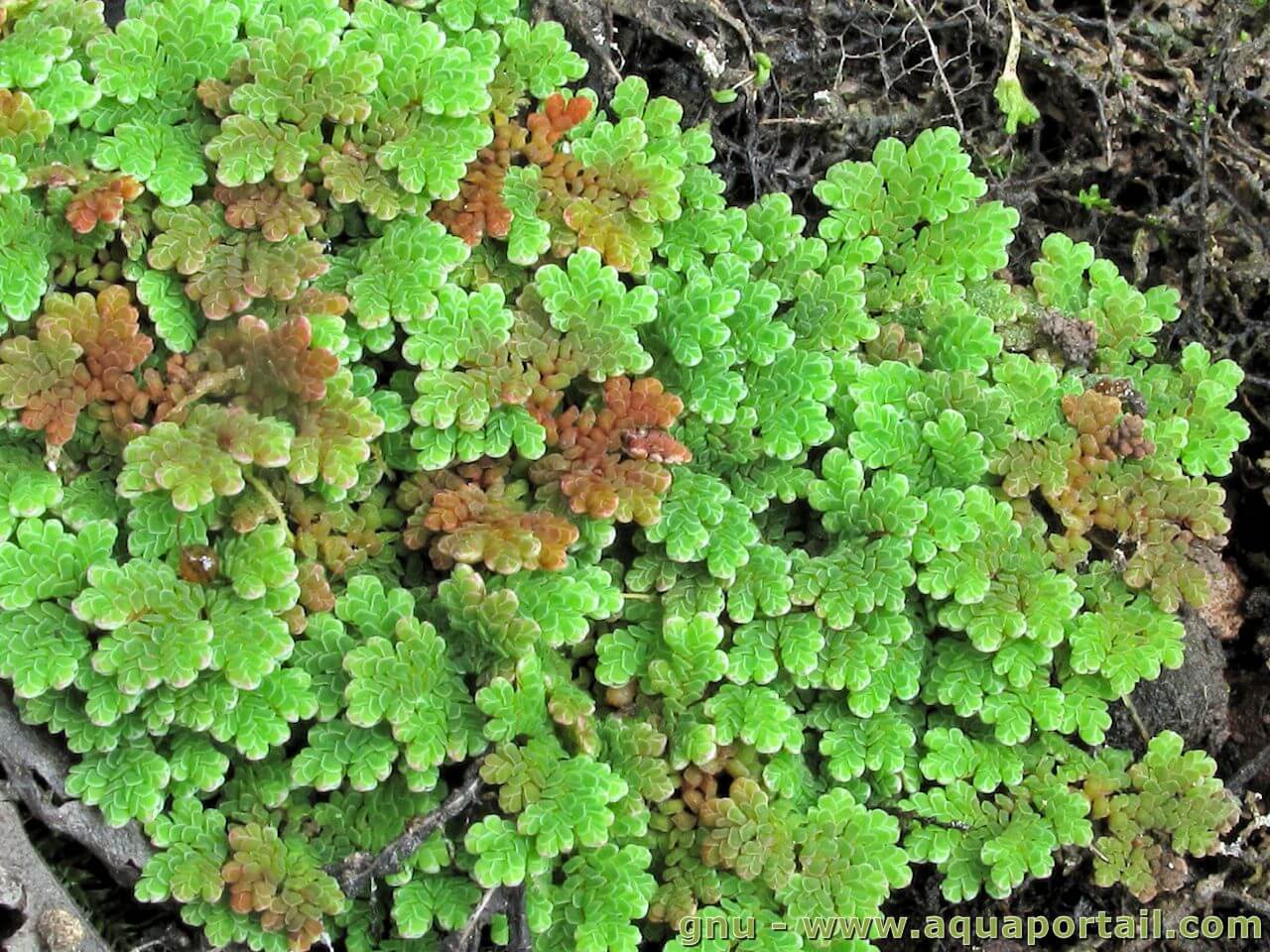
During the Eocene, water ferns of the genus Azolla, such as this Azolla caroliniana, may have triggered the cooling of the planet down to present-day temperatures.
Explanations
Birds predominated over other creatures, and the first cetaceans began their development. Furthermore, the largest known species of snake dates from the Eocene, and there was a major expansion and diversification of ants. Antarctica began the epoch surrounded by tropical forests and ended with the appearance of the first polar ice caps. Numerous paleontological sites around the world confirm these facts, such as the Messel Pit fossil site in Germany or the Green River Formation in North America.
The genus Hyracotherium, which lived in Europe and North America at the beginning of the Eocene, is likely the common ancestor of all known horses.
The global climate of the Eocene was probably the most homogeneous of the Cenozoic; the thermal gradient from the equator to the poles was half of what it is today, and deep ocean currents were exceptionally warm. The polar regions were much warmer than today, with temperatures similar to the modern Pacific Northwest of the United States. Temperate forests reached the poles themselves, while rainy tropical climates extended up to 45° north latitude. The greatest difference was found in temperate latitudes, although the climate of the tropics was similar to our own time. When the Australian continent and Antarctica were joined at the beginning of the Eocene into a single landmass, cold and warm ocean currents mixed, maintaining a homogeneous ocean temperature.
From the beginning of this period, temperatures rose in one of the fastest (in geological terms) and most extreme global warming events recorded in geological history, called the Paleocene-Eocene Thermal Maximum. It was a rapid and intense warming episode (up to 7 °C / 13 °F at high latitudes) that lasted less than one hundred thousand years. The thermal maximum caused a mass extinction, so the fauna of the Eocene and Paleocene are very different.
It is possible that this intense warming was caused by the release of methane clathrates buried in the seafloor. It is believed that the sediments where these clathrates were stored were disturbed as the oceans warmed, and the methane they contained triggered the global temperature rise. An estimated two thousand gigatons of methane were released into the atmosphere, a greenhouse gas ten times more potent than carbon dioxide.
Rising temperatures across the planet were not the only consequence, as the global climate also became wetter, with much of this moisture drawn toward the poles. Heavy rainfall over the Arctic Ocean, combined with the configuration of the continents (which isolated it from the rest of the oceans), drastically reduced salinity. The freshwater accumulated in the Arctic set the stage for a major climate shift in the opposite direction that would mark the end of the Eocene.
The climate remained warm throughout the rest of the Eocene, although a global cooling, which would eventually lead to the Pleistocene glaciations, began in the middle of this epoch due to two factors: the Azolla event and the isolation of Antarctica.
The Azolla event occurred 49 million years ago, when the freshwater fern Azolla, also called "mosquito fern", began growing in vast numbers over the Arctic Ocean. When they sank to the ocean floor, the plants became part of the seafloor sediments, where decomposition was prevented by the low oxygen levels in deep water layers. The reduction of carbon in Earth's atmosphere helped transform the planet from a "greenhouse Earth", warm enough for turtles and palm trees to inhabit the poles, into an "icehouse Earth".
With the separation of the Australian continent about forty-five million years ago, Antarctica was deprived of the flow of equatorial waters that had previously moderated its climate. Cut off from these warm waters, Antarctica cooled and the Southern Ocean began to glaciate, creating a flow of cold water and strong currents that reinforced the cooling effect.
Synonyms, antonyms
Spanish translation: Eoceno
0 synonyms (similar meaning) for "eocene".
0 antonyms (opposite meaning).
Related words and expressions to EOCENE are directly connected by general or specific meaning.
The word EOCENE is listed on page 1 of words starting with E in the dictionary glossary.
Related to "Eocene"
Holocene
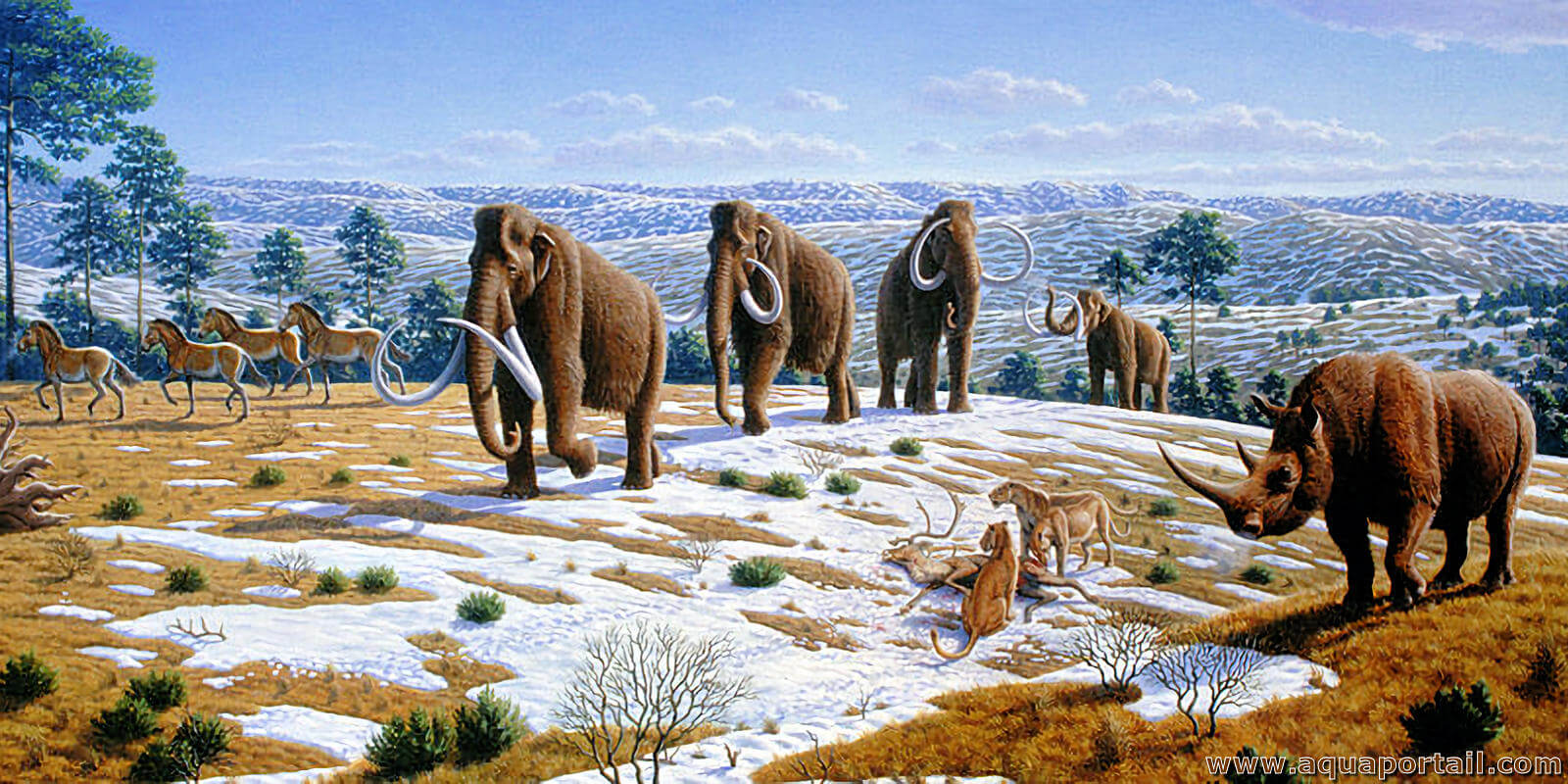
The Holocene is the most recent geological epoch of the Quaternary Period, spanning the past 11,700 years and representing the current epoch of Earth's...
E=mc2
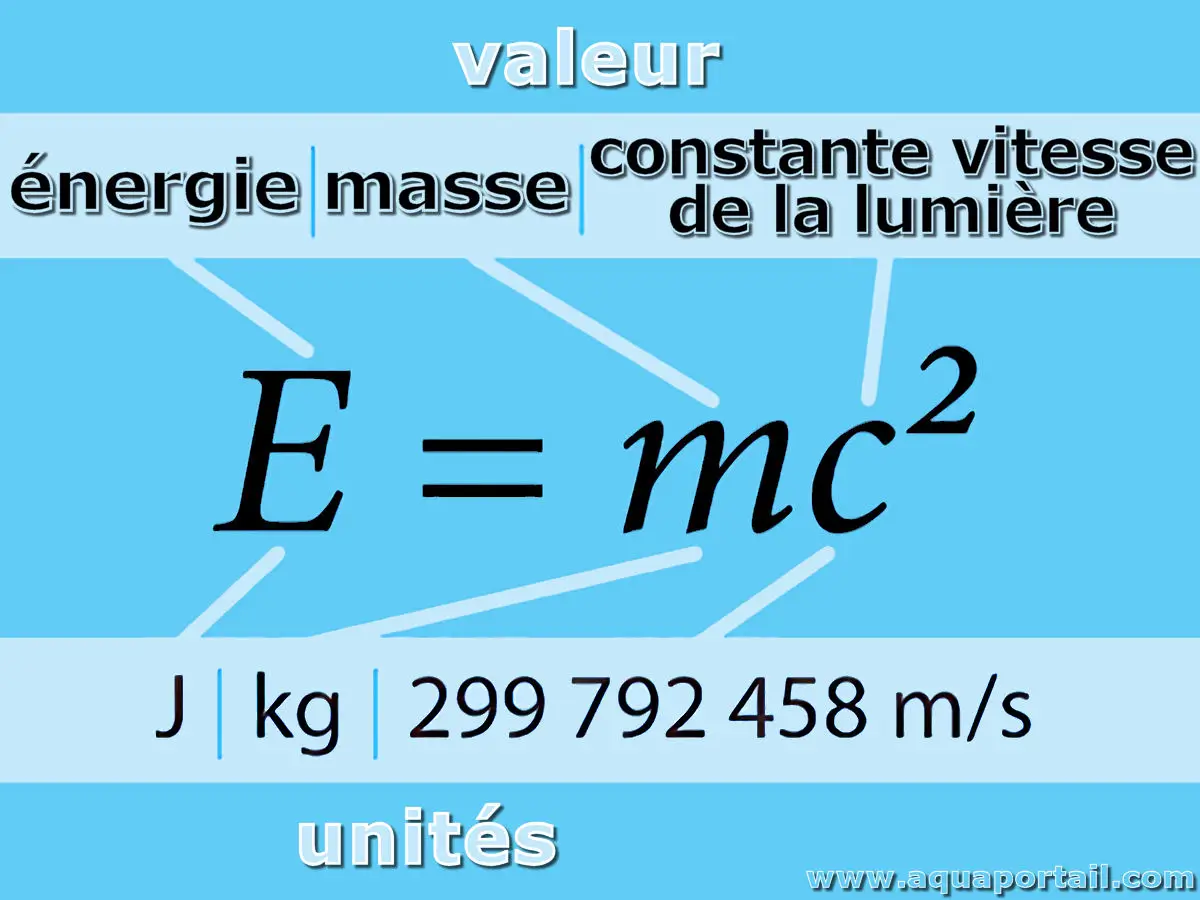
The formula E=mc2 (E = m. c²) is a mass-energy equivalence equation according to the theory of relativity developed by Albert Einstein. It expresses that...
ebb tide
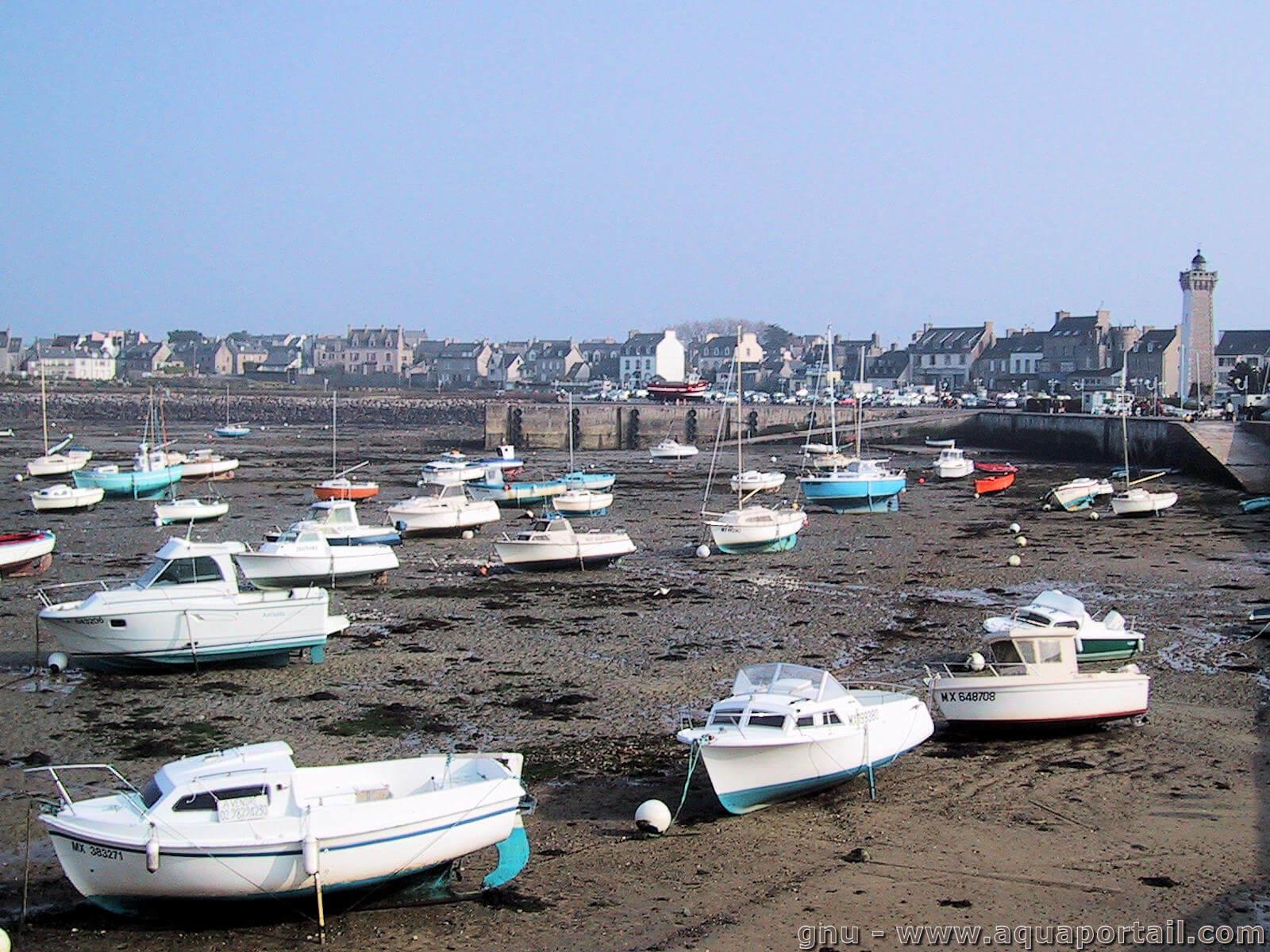
Ebb tide designates the outgoing, falling tide of the sea that begins at high water, also known as reflux.
Ecdysozoa

Ecdysozoans, of the superphylum Ecdysozoa, are protostomes undergoing ecdysis within Bilateria.
