Methane
noun (n.)
Definition
Methane (CH4) is the simplest hydrocarbon and belongs to the alkane group. It is a gas at ambient room temperature and atmospheric pressure. Methane (also called marsh gas) is the principal constituent of natural gas. Natural gas occurs in nature alongside petroleum and other fossil fuels and shares a similar geological origin, resulting from decomposing organic matter.Methane molecule CH4:

Methane was discovered in 1778 by Alessandro Volta. Methane (a hydrocarbon) is not an acidic gas. It is produced both naturally (through processes such as organic matter decay in wetlands) and by human activities, notably agriculture and fossil fuel extraction.
Explanations
Methane production originates from various natural processes (Earth's crust, seafloor, wetlands and peatlands, animals such as cattle, etc.) or anthropogenic sources (fossil fuel industry, livestock farming, landfills, etc.). While the total annual quantity of emitted methane can be measured, pinpointing the exact contribution of each source remains challenging.
Methane extracted via anaerobic digestion of organic waste for green electricity generation or cogeneration is known as biomethane (biogenic biogas).
Geological resources
The two main geological pathways of methane generation are:
- organic methane (thermally generated, or thermogenic): thermogenic methane forms through the thermal cracking of organic matter at elevated temperatures and pressures in deep sedimentary strata. Most methane in sedimentary basins is thermogenic, making it the primary source of natural gas
- inorganic methane (or abiotic, non-biological): formed from inorganic compounds either via magmatic processes or through low-temperature, low-pressure water-rock reactions such as serpentinization
⭐ Several international research teams are developing novel techniques to extract methane from natural gas hydrates. There is global interest in recovering methane gas trapped within ice-like crystalline cages called "gas hydrates" found in shallow sediments along continental margins. Gas hydrates represent a particularly promising methane resource in India, where nearly 1,900 billion cubic meters (67 trillion cu ft) of untapped methane reside in hydrate deposits within India's Exclusive Economic Zone—1,500 times the country's current conventional gas reserves.
Biological resources
Methane is produced, among other pathways, when organic substances are broken down by microorganisms under anaerobic (oxygen-free) conditions, which commonly prevail in waterlogged marsh soils. Methane also forms in oxygen-poor soils from the decay of dead plant roots, as well as during forest fires when organic matter is heated.
✅ Ruminants emit substantial quantities of methane during digestion (enteric fermentation). Rumen gases, particularly methane, receive growing attention due to their contribution to greenhouse gases and climate change. Although obtaining exact figures for ruminant digestive emissions is complex, data from the Food and Agriculture Organization (FAO) indicate that ruminants account for roughly 20% of global methane emissions, equivalent to about 3 to 5% of total greenhouse gas output.
Most deeper seabed sediments are anoxic because oxygen is consumed by aerobic microorganisms within the top few centimeters. In marine sediments, methanogens generate methane (methanogenesis), which is either consumed by other organisms or trapped in gas hydrates. These methane-consuming organisms, known as methanotrophs ("methane eaters"), are the main reason very little seafloor methane reaches the ocean surface.
Industrial resources
Methane is synthesized by hydrogenating carbon dioxide in the Sabatier reaction, and also occurs as a by-product of carbon monoxide hydrogenation in the Fischer-Tropsch process. For practical applications, methane gas is supplied in pressurized steel cylinders.
Methane gas is released during the extraction, processing, and transport of fossil energy sources (oil, natural gas, coal), and emissions can be even higher with hydraulic fracturing of shale gas and tight oil. According to 2020 research, the fossil fuel industry's share of methane emissions had been substantially underestimated in the past. Using infrared cameras, environmental researchers detected methane leaks at most of the 150 oil and gas facilities inspected across seven European countries; a 2021 report concluded these were routine operational releases rather than isolated accidents, largely due to insufficient monitoring and reporting requirements.
Toxicity and hazards of methane
Methane is non-toxic at low concentrations to humans and animals as a short-lived atmospheric gas. However, at high concentrations in enclosed spaces, it displaces atmospheric oxygen and can cause hypoxia followed by asphyxiation.
Methane is harmful to the climate because it drives greenhouse warming. As a greenhouse gas, it is roughly 25 times more potent than carbon dioxide over a 100-year horizon. Since 1750, atmospheric methane concentrations have more than doubled, and its atmospheric lifetime is approximately ten years.
There is concern that rising global temperatures will accelerate permafrost thaw, potentially releasing vast stores of trapped methane and further amplifying the greenhouse effect.
Methane hydrate
Ocean-floor sediments and permafrost regions beneath the frozen soil layer hold vast reserves of methane in the form of a clathrate or inclusion compound formed under high pressure with water (ice)—known as methane hydrate or methane ice—in which methane is trapped within a solid crystalline lattice. Occasionally, some of this methane escapes to the surface in gaseous form. Methane clathrates represent a potentially major energy resource given the scale of global reserves, though commercial extraction from the deep seafloor remains technically challenging.
Molecular chemistry
A methane molecule consists of a central carbon atom bonded to four hydrogen atoms arranged in a symmetrical tetrahedron. This tetrahedral symmetry largely dictates methane's physical and chemical properties: because it is strictly nonpolar, methane is gaseous and relatively unreactive under standard conditions.
This geometry can be predicted theoretically using molecular orbital (MO) theory and has been confirmed experimentally via X-ray diffraction and UV/Vis spectroscopy, among other methods, leading to the orbital hybridization model. The carbon atom in methane is sp3 hybridized; consequently, the carbon-hydrogen bonds are very strong, making deprotonation extremely difficult (methane's pKa exceeds 50).
Like all alkanes, methane has low reactivity, reacting primarily with strong oxidizers such as oxygen (combustion) or halogens. Another industrially vital reaction is steam reforming.
Methane has the highest H/C ratio of any hydrocarbon, which is why it is widely used to produce hydrogen. Methane (typically from natural gas) and steam are passed over a metal catalyst at elevated temperature and pressure: CH4 + 2 H2O → CO2 + 4 H2. This reaction is applied primarily in the Haber-Bosch process to generate hydrogen for ammonia synthesis, as well as in biomass gasification to produce syngas.
✅ Chloromethanes are manufactured via free-radical chlorination with chlorine gas to yield chloromethane, dichloromethane, chloroform, and tetrachloromethane.
Methane can form from readily degradable organic compounds such as acetic acid: CH3COOH → CH4 + CO2.
Sodium acetate can also yield methane when heated with sodium hydroxide: CH3COONa + NaOH → CH4 + Na2CO3.
Methane can likewise be synthesized from carbon dioxide and hydrogen gas in a slow catalytic reaction: CO2 + 4 H2 → CH4 + 2 H2O.
Firedamp
Firedamp is flammable gas found in coal seams, composed primarily of methane (CH4). A mine or working face containing firedamp is described as gassy (fiery) and poses an explosion hazard. Firedamp concentration is measured using a methanometer.
A methanometer (or Davy safety lamp) is a mining instrument used to measure firedamp levels in ambient air, historically estimated from the height of a flame cap. Early miners' safety lamps used a graduated oil or naphtha flame allowing accurate estimation of atmospheric methane concentration on a simple scale once levels exceeded roughly 1 to 1.5% by volume: the taller the flame cap, the higher the gas concentration.
Synonyms, antonyms
Spanish translation: metano
6 synonyms (similar meaning) for "methane":
- biomethane
- carbon tetrahydride
- CH4
- firedamp
- marsh gas
- methyl hydride
0 antonyms (opposite meaning).
Related words and expressions to METHANE are directly connected by general or specific meaning.
The word METHANE is listed on page 1 of words starting with M in the dictionary glossary.
Related to "methane"
madrepore

A madrepore (Madrepora) is a marine animal of the group of scleractinian corals possessing an external skeleton, typically an acropora and encompassing...
mangrove

A mangrove is a coastal salt-marsh biotic zone comprising specific plants, mangrove trees, and plant associations that grow in the intertidal zone...
manure
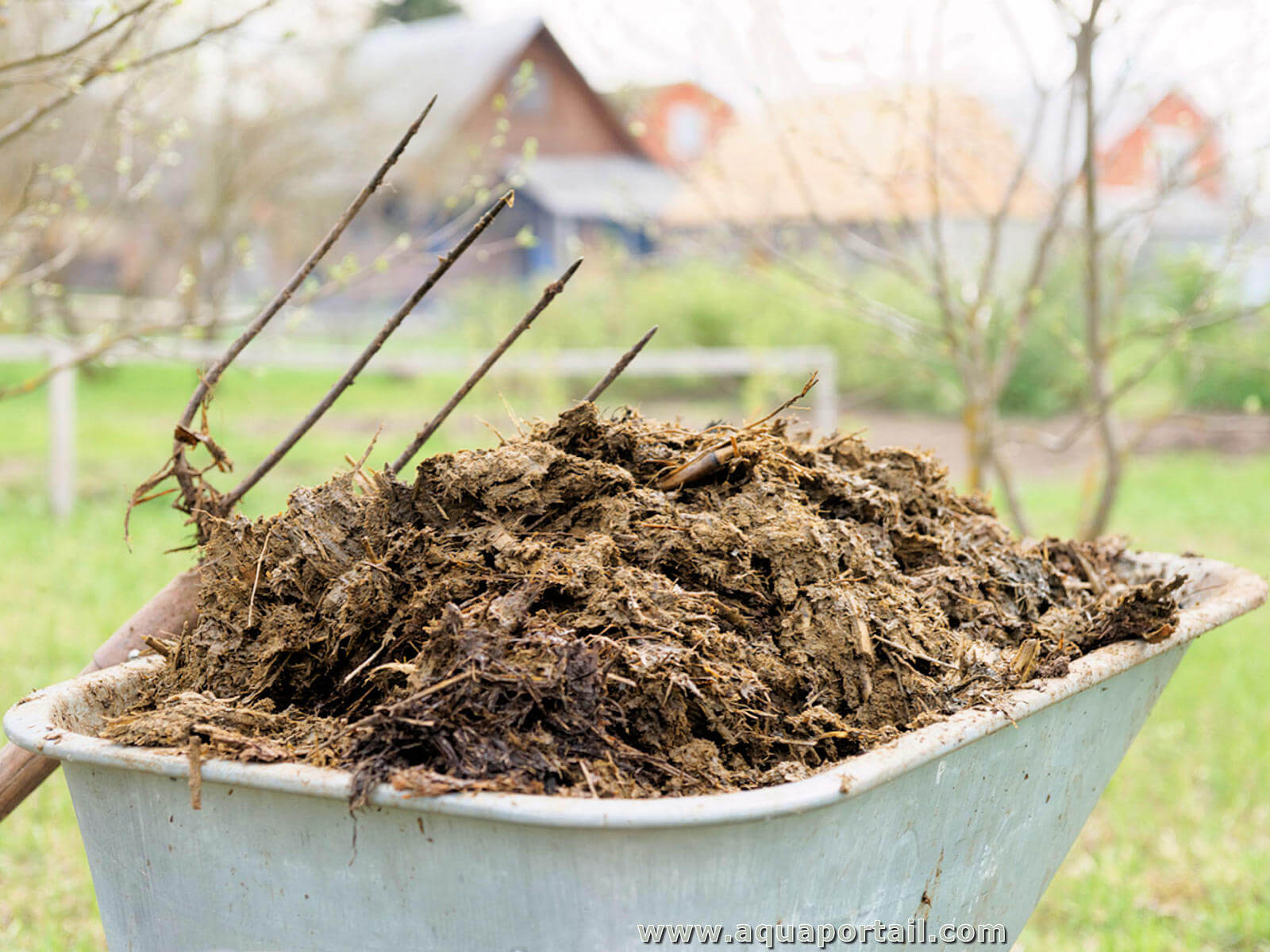
Manure is a mixture of animal droppings and plant bedding used to fertilize land. Manuring consists of applying manure to cultivated soil by spreading.
maxilliped
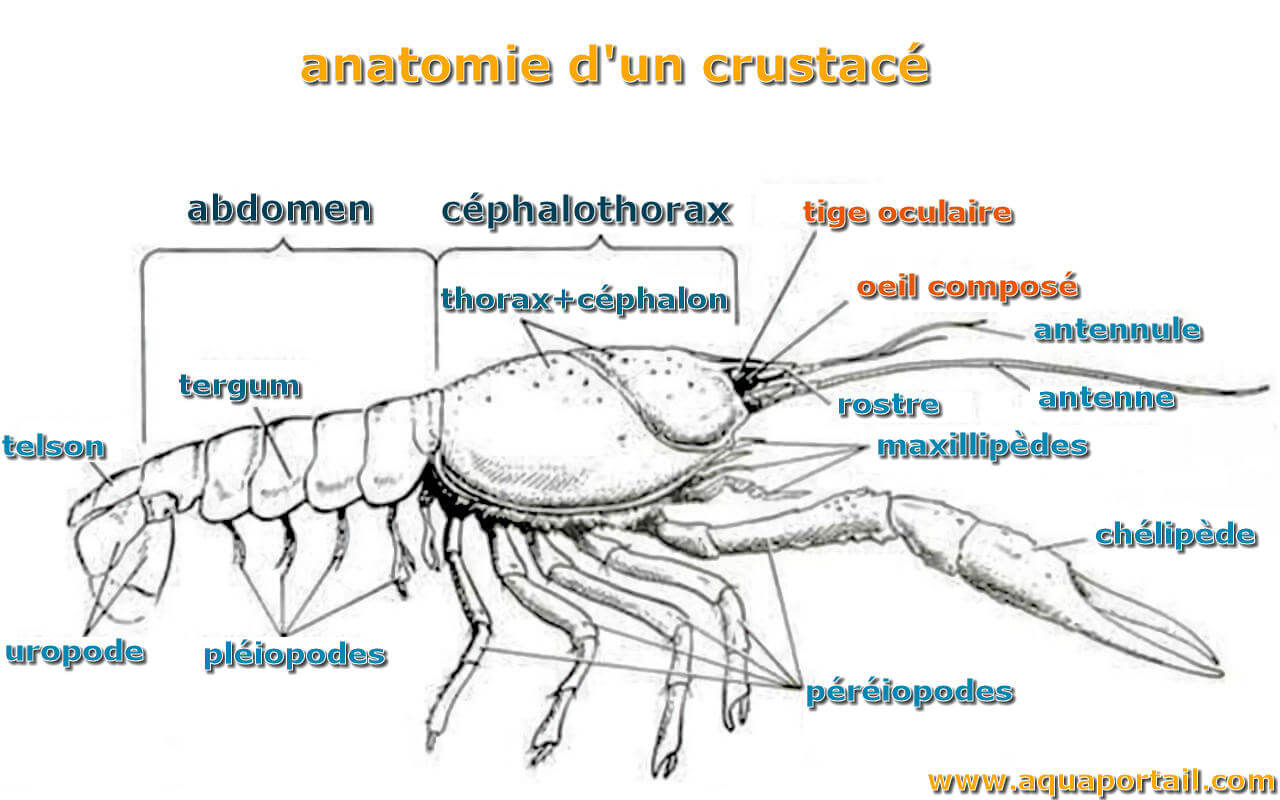
A maxilliped (or jaw-foot) is one of the thoracic feeding appendages of certain crustaceans located behind the maxillae, used in feeding.
Simple summary
Methane is a colorless, odorless gas and the simplest member of the alkane family, with the chemical formula CH4. It consists of one carbon atom bonded to four hydrogen atoms. As the main component of natural gas, methane is widely used as a fuel, while also acting as a potent greenhouse gas with a significant impact on global warming due to its heat-trapping capacity in the atmosphere.
