Petroleum
noun (n.)
Definition
Petroleum is an oily liquid mixture of flammable hydrocarbons occurring within certain rock strata. It is used to produce fuels, notably gasoline, diesel, and kerosene, as well as plastics.Oil extraction:
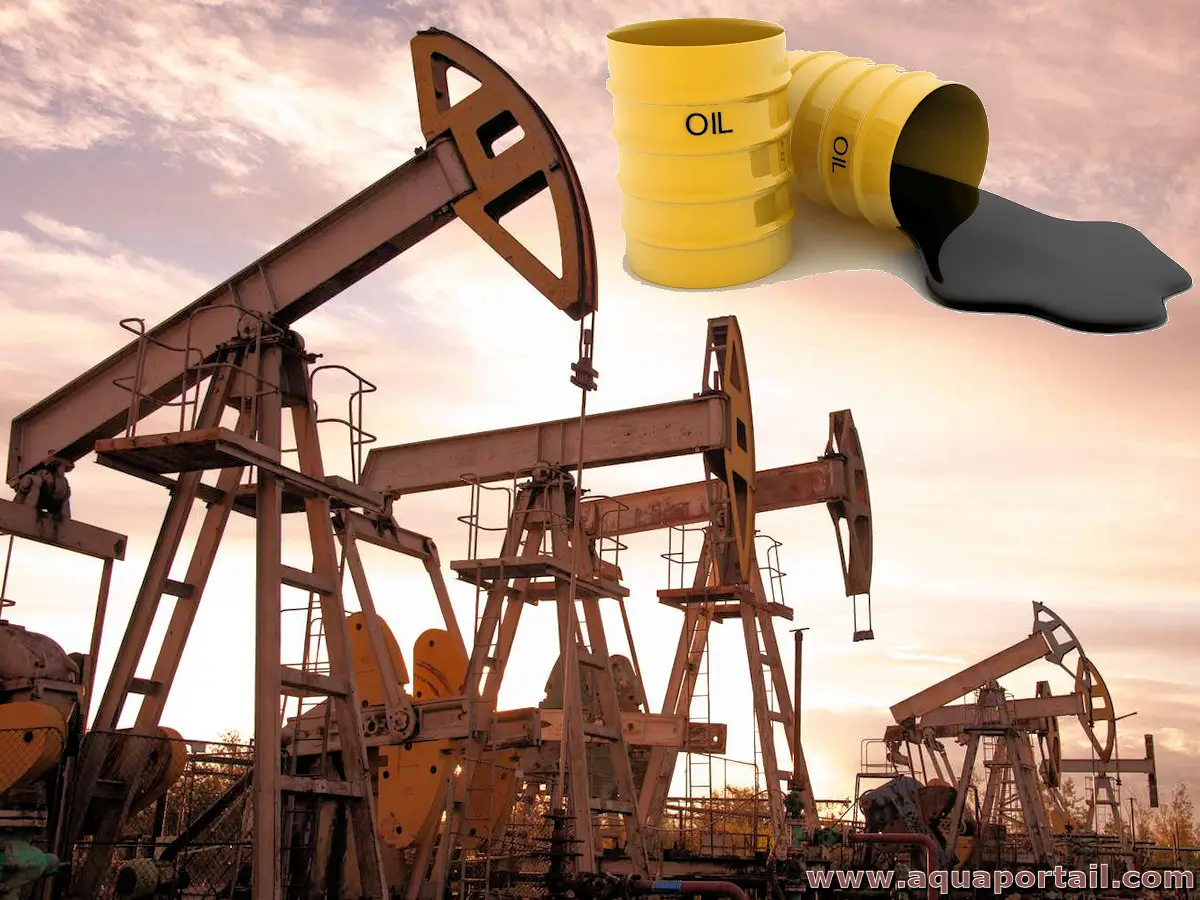
Crude oil is a vital energy source that has a significant impact on the global economy and modern society. It is transported to an oil refinery, where it is distilled and fractionated into its components. Petroleum is actually a mixture of thousands of different compounds.
Explanations
Petroleum is a naturally occurring liquid found beneath the Earth's surface that can be refined into fuels such as gasoline and diesel, along with other valuable petrochemical products.
Petroleum is a rock oil extracted from the Earth's subsurface. Crude oil is found in large underground reservoirs, in microscopic pore spaces within sedimentary rocks, and near the surface in oil sands. Petroleum products are manufactured from crude oil and other hydrocarbons.
Petroleum can occur within the Earth in liquid form (crude oil), gaseous form (natural gas), or solid form (asphalt). Its color ranges from nearly colorless to black. Oil and gas are called fossil fuels because they originate from the decomposition and pressurization of algae, plankton, and other ancient organisms.
✅ Petroleum consists primarily of hydrocarbons, organic compounds, and trace mixtures of sulfur, nitrogen, and other elements. Formed from the decomposition of ancient marine organisms over millions of years, petroleum is extracted by drilling and subjected to various refining processes to be converted into usable energy and materials essential to modern industrial activities.
Uses
Petroleum is the primary energy source for many countries worldwide, supplying heat, light, and electricity to homes, businesses, and transportation networks. Approximately 80% of global energy consumption is estimated to come from oil, coal, and natural gas.
Petroleum is also used as a feedstock in producing a wide range of goods, including plastics, chemicals, and fertilizers. These products play a vital role across numerous sectors such as agriculture, construction, and consumer goods.
⭐ Crude oil is a mixture of hydrocarbons from the paraffin series, which are straight chains with the formula CnH2n+2, and the naphthene series, which are cyclic carbon compounds with the formula CnH2n.
Synonyms, antonyms
Spanish translation: petróleo
4 synonyms (similar meaning) for "petroleum":
- black gold
- crude oil
- fossil oil
- rock oil
0 antonyms (opposite meaning).
Related words and expressions to PETROLEUM are directly connected by general or specific meaning.
The word PETROLEUM is listed on page 1 of words starting with P in the dictionary glossary.
Related to "petroleum"
hydrocarbon

A hydrocarbon is an organic molecule composed exclusively of carbon and hydrogen atoms, representing the most fundamental class of organic compounds.
paedomorphosis

Paedomorphosis (juvenilization) is a phylogenetic change involving the retention of juvenile or even larval traits into a later (adult) stage.
pandemic

A pandemic is the widespread outbreak of an epidemic infectious disease across a vast geographic area at a given time.
parchment

Historically, true parchment is animal skin prepared (limed, dried, thinned, dressed) to write or print upon.
