Micelle
noun (n.)
Definition
In chemistry and biochemistry, a micelle is an aggregate of molecules forming one of the phases of colloids. It is the mechanism by which soap solubilizes water-insoluble molecules, such as fats. Colloidal solutions are rich in micelles.
A micelle alongside a liposome:

Each molecule forming the micelle is depicted with a polar head and a nonpolar tail. A micelle is a microscopically small structure made up of a number of surfactant (amphiphilic) molecules in water. This means one part of the molecule is hydrophilic and another part is hydrophobic. The hydrophobic part usually consists of a long hydrocarbon chain and forms, so to speak, the tail of the molecule, while the head is hydrophilic.
Botanical micelle
In botany, a micelle is a small fibrillar particle constituting part of the cell wall. In wood, the cell wall is composed of tiny blocks of cellulose, the micelles, arranged much like bricks forming a wall and bound together by a complex lignin-based matrix.
Lipid properties
In a dispersion medium (generally water), amphiphilic molecules associate with one another due to the hydrophobic effect. This process is known as self-assembly. Micelles form above a specific mass concentration, the critical micelle concentration (CMC), driven by the tendency of surfactants to undergo phase separation. This means that the hydrophilic parts (heads) of surfactant molecules align toward adjacent water molecules, whereas the hydrophobic parts (tails) aggregate to form their own internal phase (see diagram). Such a micelle typically measures a few nanometers across, for instance about 4 nm for an SDS (sodium dodecyl sulfate) micelle in water.
If a solution contains very high concentrations of surfactant substances, the numerous micelles can organize into higher-order states known as liquid crystals.
Micelle formation also refers to the agglomeration of asphaltenes in mineral oil products, such as fuel oil.
Soap micelle
During the formation of a soap micelle in water, soap molecules (a sodium or potassium salt of a fatty acid) associate via their hydrophobic ends corresponding to hydrocarbon chains, while their hydrophilic ends, bearing carboxyl groups negatively ionized by the loss of a sodium or potassium ion, repel each other. In this way, the nonpolar chains of the soap are shielded from water, whereas the negatively charged carboxyl groups remain exposed to it.
Similarly, polar lipids (such as phospholipids) in dilute aqueous solution disperse to form micelles. Within these structures, the hydrocarbon chains are sequestered from the aqueous environment and form an internal hydrophobic core, with hydrophilic groups exposed on the surface. Such micelles can contain thousands of lipid molecules and consequently possess a very high molecular mass.
In aqueous solutions, amphiphilic molecules form micelles in which polar groups sit at the surface and nonpolar moieties are buried inside the micelle, in an arrangement that eliminates unfavorable contacts between water and hydrophobic regions while enabling solvation (see also flocculation) of the polar head groups. In a different type of medium, amphiphilic molecules may organize into reverse micelles.
Reverse micelles
In a nonpolar solvent, exposing the polar moiety is energetically unfavorable. In this case, the hydrophilic groups tend to point toward the interior of the micelle while the hydrophobic groups are exposed on the outer surface. Forming reverse micelles can be fairly difficult because, carrying similar electric charges, the polar clusters tend to repel one another. An example of a reverse micelle structure is a soap bubble: due to the nonpolar nature of air, the hydrophilic part faces inward toward the aqueous film while the hydrophobic tails face outward toward the air.
Micellization
Micellization is a dynamic phenomenon in which n monomeric surfactant molecules S associate to form a micelle Sn: nS ⇌ Sn. Micellization is temperature-dependent and exhibits enthalpy-entropy compensation, with entropy dominating at lower temperatures and enthalpy becoming more significant at higher temperatures.
Scientists have modeled a dynamic equilibrium in which single-chain surfactant molecules continually leave micelles while other monomers enter them. Experimental techniques employing fast kinetic methods such as stopped-flow, temperature- and pressure-jump, and ultrasonic relaxation have demonstrated two distinct relaxation processes governing micellar equilibrium.
The critical micelle concentration (CMC) of an amphiphile is the concentration at which micelles first appear in solution at a given temperature. The critical micelle temperature (CMT) is the temperature at which micelles appear in an amphiphile solution of a given concentration. In principle, this concentration corresponds to the CMC value at temperature T.
Synonyms, antonyms
Spanish translation: micela
1 synonym (similar meaning) for "micelle":
0 antonyms (opposite meaning).
Related words and expressions to MICELLE are directly connected by general or specific meaning.
The word MICELLE is listed on page 1 of words starting with M in the dictionary glossary.
Related to "micelle"
madrepore

A madrepore (Madrepora) is a marine animal of the group of scleractinian corals possessing an external skeleton, typically an acropora and encompassing...
mangrove

A mangrove is a coastal salt-marsh biotic zone comprising specific plants, mangrove trees, and plant associations that grow in the intertidal zone...
manure

Manure is a mixture of animal droppings and plant bedding used to fertilize land. Manuring consists of applying manure to cultivated soil by spreading.
maxilliped
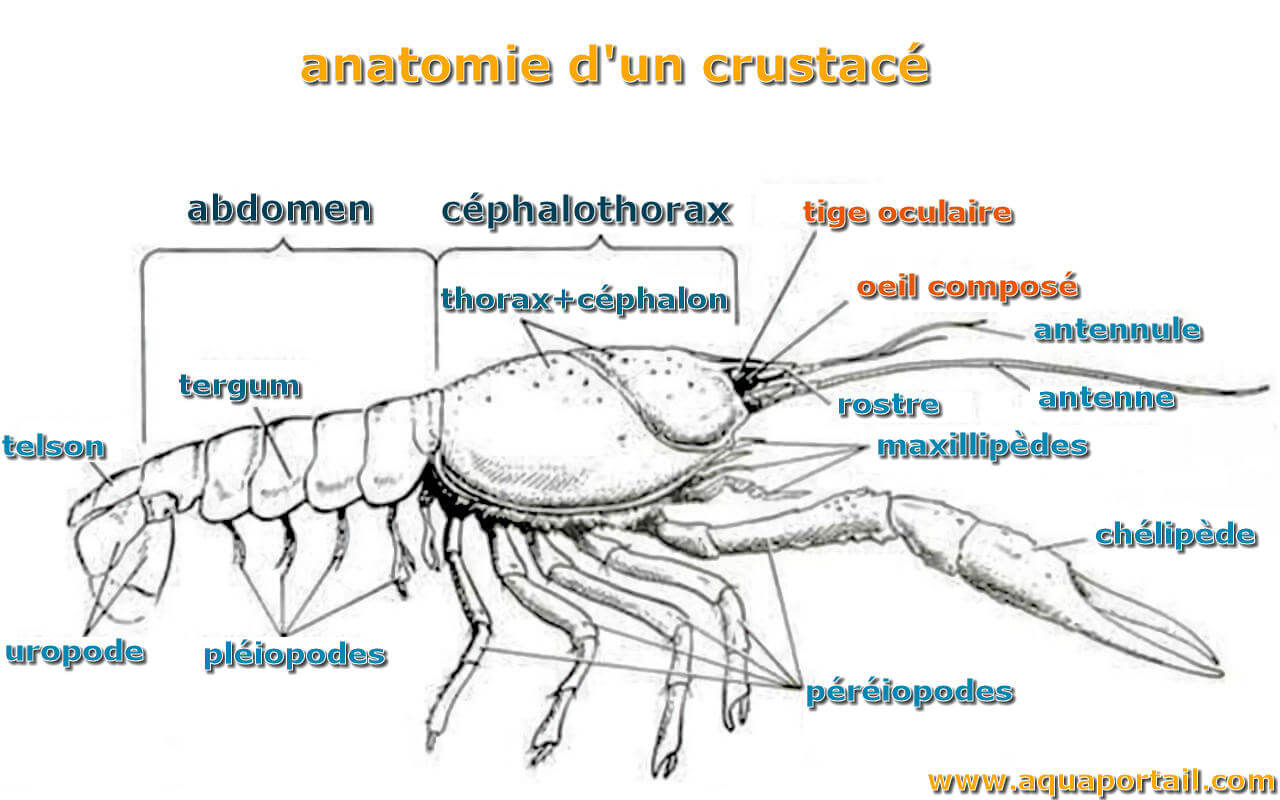
A maxilliped (or jaw-foot) is one of the thoracic feeding appendages of certain crustaceans located behind the maxillae, used in feeding.
