Epiconus
noun (n.)
Definition
In botany, an epicone is the upper part of the theca or amphiesma in dinophytes, separated from the lower half by the cingular groove.
In anatomy, the epiconus is adjacent to the conus medullaris. The tail of a mammal originates at the level of the conus medullaris and the epiconus. Epiconus and hypocone are slightly conical.
The epiconus of the spinal column:
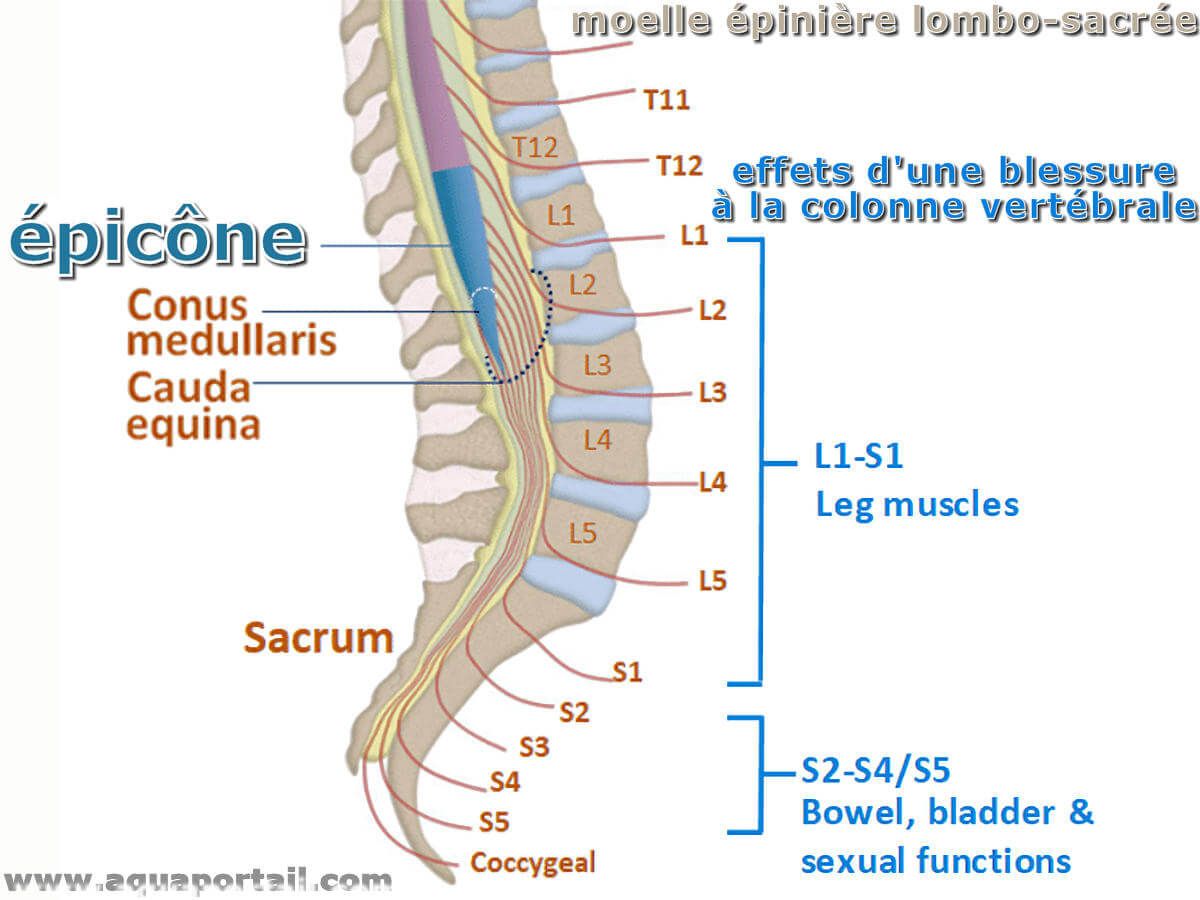
Schematic drawing of the lumbosacral spinal cord. On average, the epiconus terminates at the L1 vertebra, though it can be located as high as the mid-T11 level or as low as the mid-L3 level. In pure conus medullaris syndrome, the neurological deficit is primarily limited to bladder, bowel, and sexual dysfunction without lower-limb weakness.
Botanical epicone
The equatorial groove (cingulum) divides the cell into an upper (anterior) part, the epicone, and a lower (posterior) part, the hypocone. If a theca is present, these two parts are called epitheca and hypotheca, respectively. The botanical epicone is also an epitheca.
Hypocone
The hypocone is the lower part of the covering in dinophytes, separated from the upper half by the cingular groove. In botany, it is sometimes called a hypotheca.
In dental anatomy, the hypocone is located on the posterior buccal side or heel of the upper molar. It fits into the grooves of the lower dentition and increases the food-grinding surface area and efficiency. The hypocone appears to have evolved independently more than twenty times in different groups of mammals during the Cenozoic era. Strictly, the name hypocone refers to this cusp arising from the posterior cingulum of the tooth, and some authors prefer the term pseudohypocone for those occurring in the same position but having other evolutionary origins.
✅ The protocone, paracone, and metacone are the three main cusps of the tribosphenic molar of terrestrial mammals, forming a triangular structure known as the trigon.
Anatomical epiconus
The motor deficits, urogenital dysfunction, and perineal numbness of conus medullaris syndrome are well known. Less well known is disease of the epiconus, the spinal cord segment located immediately above the conus medullaris. The condition is quite distinctive, with ankle plantarflexion weakness typically exceeding ankle dorsiflexion weakness. Epiconus syndrome can present with both upper and lower motor neuron findings and show distinct patterns on nerve conduction studies and electromyography. Interestingly, involvement of the lumbosacral corticospinal tract may entail trans-synaptic degeneration of anterior horn motor neurons and lead to acute denervation, as recorded by electromyography. The conus medullaris also contains Onuf's nucleus, which controls penile erection, ejaculation, the external urethra, and the external anal sphincter, and underlies the bulbocavernosus reflex. Extension of an epiconus lesion into the conus can result in urogenital dysfunction. Examining a case of epiconus syndrome highlights notable observations regarding the pathobiology of the conus and epiconus. To understand the epiconus, one must be familiar with the conus medullaris.
If the lesion is located in the epiconus, bladder hypertonia and sphincter dyssynergia (urinary retention) may occur. Sexual dysfunction, such as erectile dysfunction (achieving an erection), is common.
Synonyms, antonyms
Spanish translation: epicono
1 synonym (similar meaning) for "epiconus":
1 antonym (opposite meaning):
Related words and expressions to EPICONUS are directly connected by general or specific meaning.
The word EPICONUS is listed on page 1 of words starting with E in the dictionary glossary.
Related to "epiconus"
epitheca

In biology, an epitheca is the outer part of a theca. The epitheca refers to the external covering of the theca, an outer calcareous layer investing the lower...
theca

In botany, a theca is either of the two halves into which an anther is typically divided. Normally, each theca contains two pollen sacs. More generally...
E=mc2
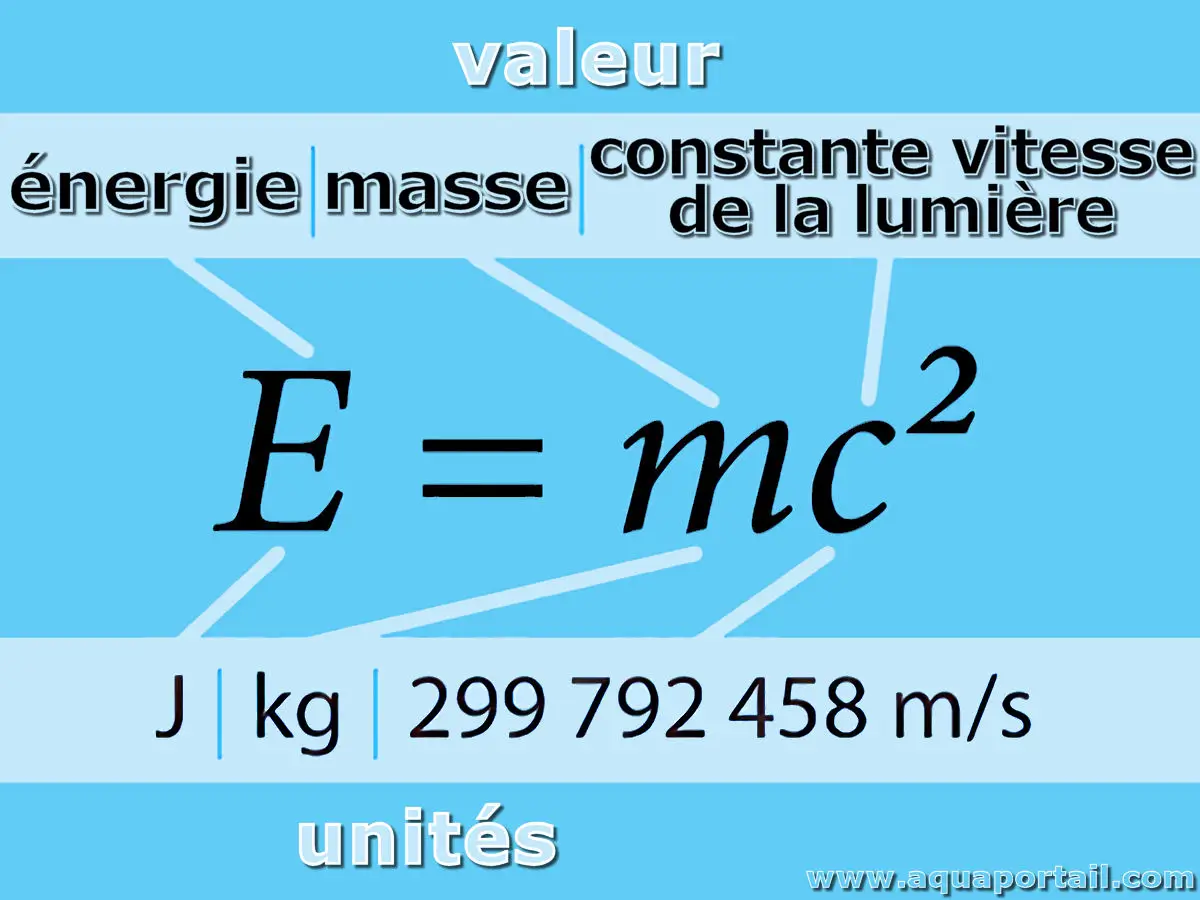
The formula E=mc2 (E = m. c²) is a mass-energy equivalence equation according to the theory of relativity developed by Albert Einstein. It expresses that...
ebb tide

Ebb tide designates the outgoing, falling tide of the sea that begins at high water, also known as reflux.
