Disease
noun (n.)
Definition
A disease is any harmful deviation from the normal structural or functional state of an organism, generally associated with certain signs and symptoms and differing in nature from physical injury.
Disease is a state in which the organism or just a part of it fails to adapt or is unable to function normally. It is an impairment of health.
Viruses and bacteria are vectors of diseases:

A disease alters the homeostasis of an organism through an attack by pathogens or a dysfunction of the organism's self-regulatory system. Diseases spread in various ways, generally via viruses, bacteria, or fungi, and each type has a different method of transmission.
Explanations
A disease is any deviation from the state of complete physical or social well-being of an organism that involves a well-defined set of symptoms and etiology and leads to the deterioration of its normal functioning. It may be inherited or caused by parasites, nutritional deficiencies, or physical and chemical factors in the environment.
✅ A disease is a modification or departure from the physiological state in one or more parts of the body that manifests through characteristic symptoms and signs, and whose progression is more or less predictable. See also an epidemic and a pandemic.
Disease means in medicine and other health sciences a disorder of the functions of an organ, the psyche, or the organism as a whole, associated with specific signs and symptoms. It may be caused by external factors such as other organisms (infection), or by internal dysfunctions such as autoimmune diseases. Pathology is the science that studies diseases and seeks to understand them.
Disease results from the total or partial loss of homeostasis in a living organism, which may occur due to infections, inflammations, ischemia, genetic changes, traumatic sequelae, hemorrhages, neoplasias, or organic dysfunctions. It is distinguished from the medical condition itself, which is the harmful alteration of the organism. Pathological damage may be structural or functional.
⭐ See the list of notifiable diseases.
The healthcare professional takes the medical history and examines the patient for the signs and symptoms that define the disease syndrome, ordering additional tests based on diagnostic hypotheses in order to reach a diagnosis. The next step consists of prescribing a treatment.
Health and disease are an integral part of life, biological processes, and environmental and social interactions. As a general rule, disease is understood to correspond to a loss of health, whose negative effect results from a structural or functional deficiency of an organ at any level.
The concept of disease is an approach that emphasizes the type of health problem in question and aids in its understanding. Each disease has specific characteristics that categorize and provide a reference point to identify what may be common or differentiate one nosological entity from another.
Diseases affecting plants and other botanical genera fall under plant pathology, those affecting animals are in the veterinary field, and suffering humans are treated by medicine, physical therapy... Scientific research helps improve knowledge in the prevention, diagnosis, and treatment of diseases in their respective fields.
Transmission vectors are other organisms that transmit them between carriers. Plant viruses are often spread by sap-feeding insects such as aphids, whereas animal viruses are often propagated by hematophagous insects.
Diseases and their pathologies involve numerous specialized sciences such as epidemiology (endemic or not), etiology, semiology, symptomatology...
An analeptic organ restores or stimulates physiological functions. An analeptic helps one recover from a disease, for example.
Some common diseases: the common cold, gastroenteritis, diarrhea, cholera, salmonellosis, etc.
To determine the cause of death of an animal and any potential disease, a necropsy is performed.
Subtypes
✅ See also: an acute disease and a subacute disease, a chronic disease, an ectoparasitic disease, an endemic disease, a communicable disease and a non-communicable disease, etc.
In the aquatic environment
⭐ For the aquatic environment, notably algae and certain fish such as the neon tetra or crustaceans, see waterborne diseases, water-related diseases, algae disease, neon tetra disease, white spot disease, whirling disease, diseases caused by crustaceans, diseases caused by worms, etc.
Synonyms, antonyms
Spanish translation: enfermedad
8 synonyms (similar meaning) for "disease":
- illness
- impairment
- infirmity
- malaise
- medical condition
- suffering
- syndrome
- trauma
2 antonyms (opposite meaning):
Related words and expressions to DISEASE are directly connected by general or specific meaning.
The word DISEASE is listed on page 1 of words starting with D in the dictionary glossary.
Related to "disease"
dale

A dale is a small valley or glen that does not (or no longer) contains a watercourse. The concave hollowed space of a dale is not large enough to build...
daphnia
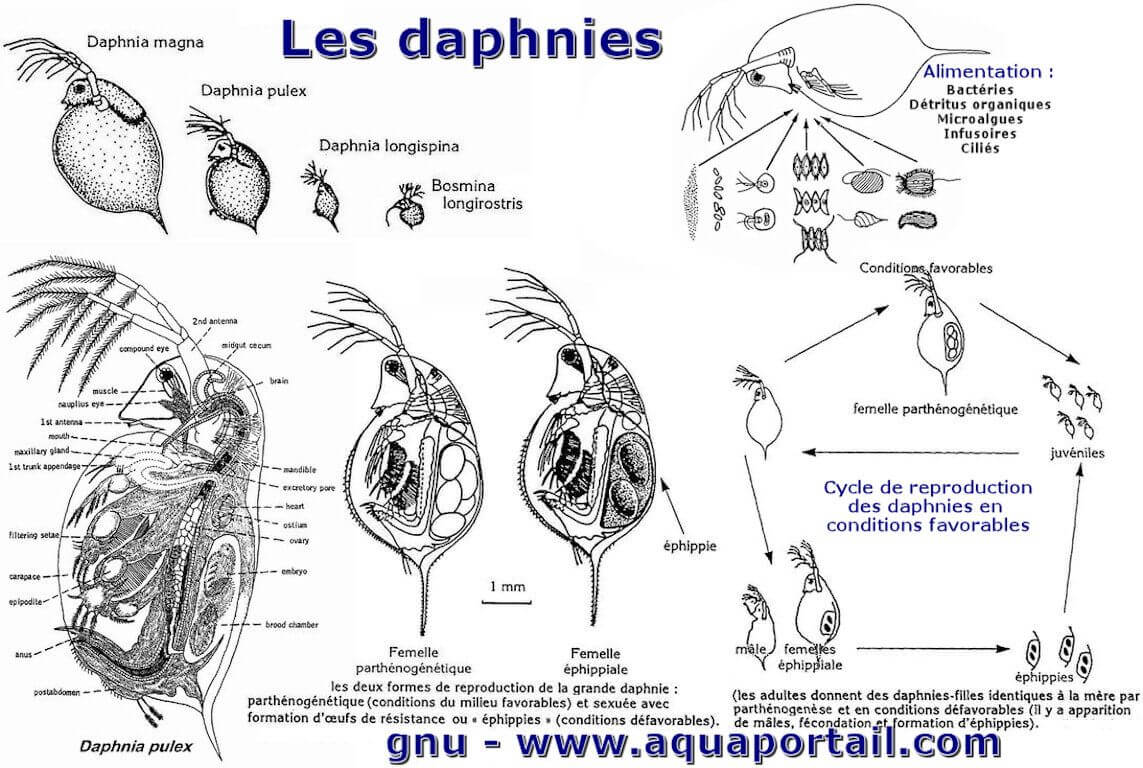
Daphnia is a planktonic branchiopod crustacean of the family Daphniidae, forming a dominant portion of freshwater plankton.
dawn

Dawn marks the transition between night and day, when the sky brightens and morning breaks in the East.
dehydrogenase
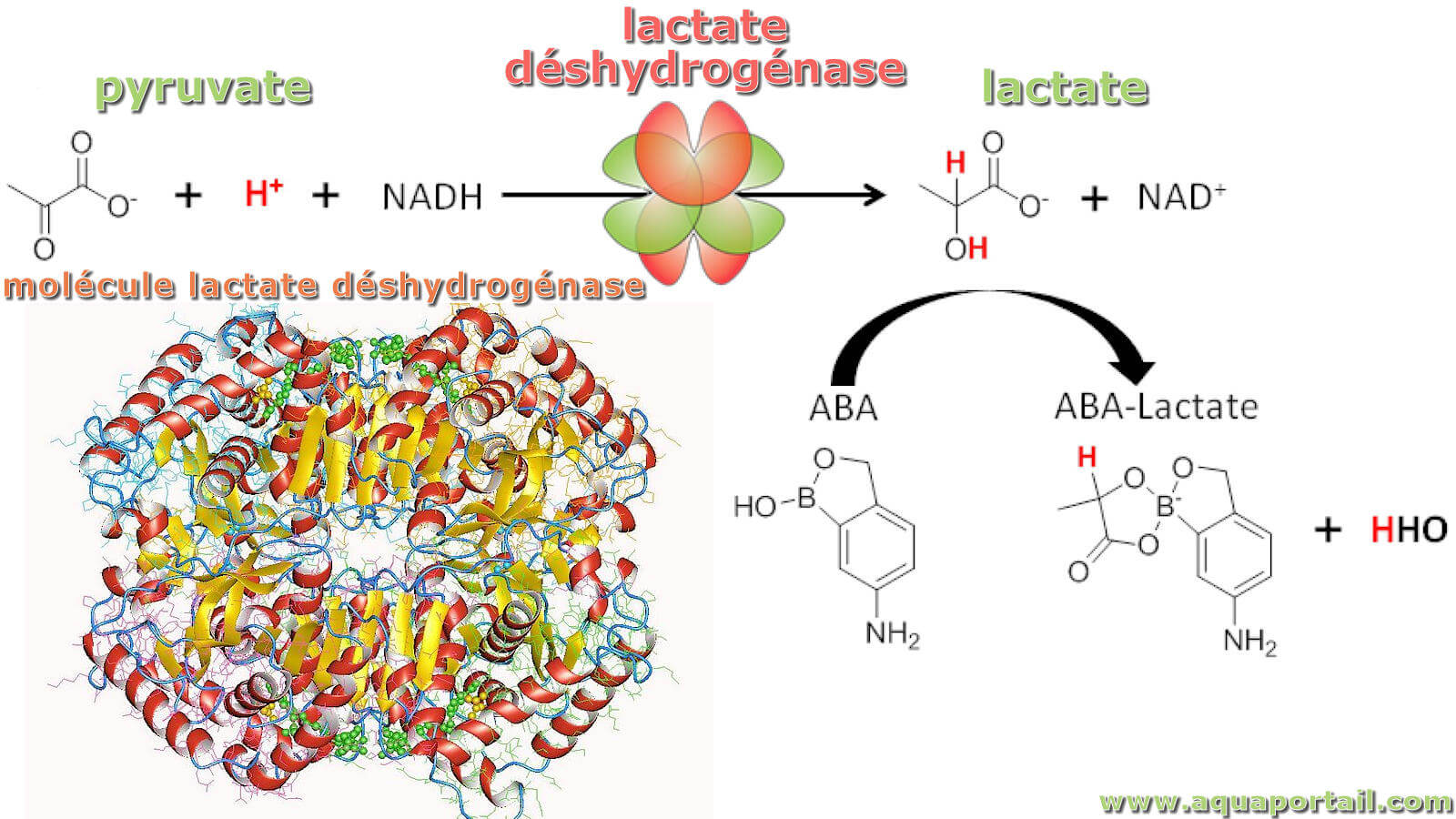
A dehydrogenase is a dehydrogenating enzyme of the oxidoreductase class that catalyzes the removal of hydrogen.
Simple summary
A disease is a condition that disrupts the normal functioning of an organism or some of its parts. It may be caused by external factors, such as infections, or by internal dysfunctions, such as immune system disorders. Diseases can lead to various symptoms as well as an impairment of health and well-being.
