Dehydrogenase
noun (n.)
Definition
A dehydrogenase is a dehydrogenating enzyme of the oxidoreductase class that catalyzes the removal of hydrogen. Dehydrogenases are key enzymes in cellular energy metabolism. Several of them operate within the Krebs cycle, an essential metabolic pathway in aerobic catabolism.
Oxytropic dehydrogenases transfer hydrogen directly to oxygen, whereas anoxytropic dehydrogenases transfer it to a hydrogen acceptor other than oxygen. An anoxytropic element functions without oxygen. Codehydrogenase designates a dehydrogenase coenzyme, such as NAD and NADP. glyceraldehyde-3-phosphate dehydrogenase is abbreviated as GAPDH.
The lactate dehydrogenase reaction:
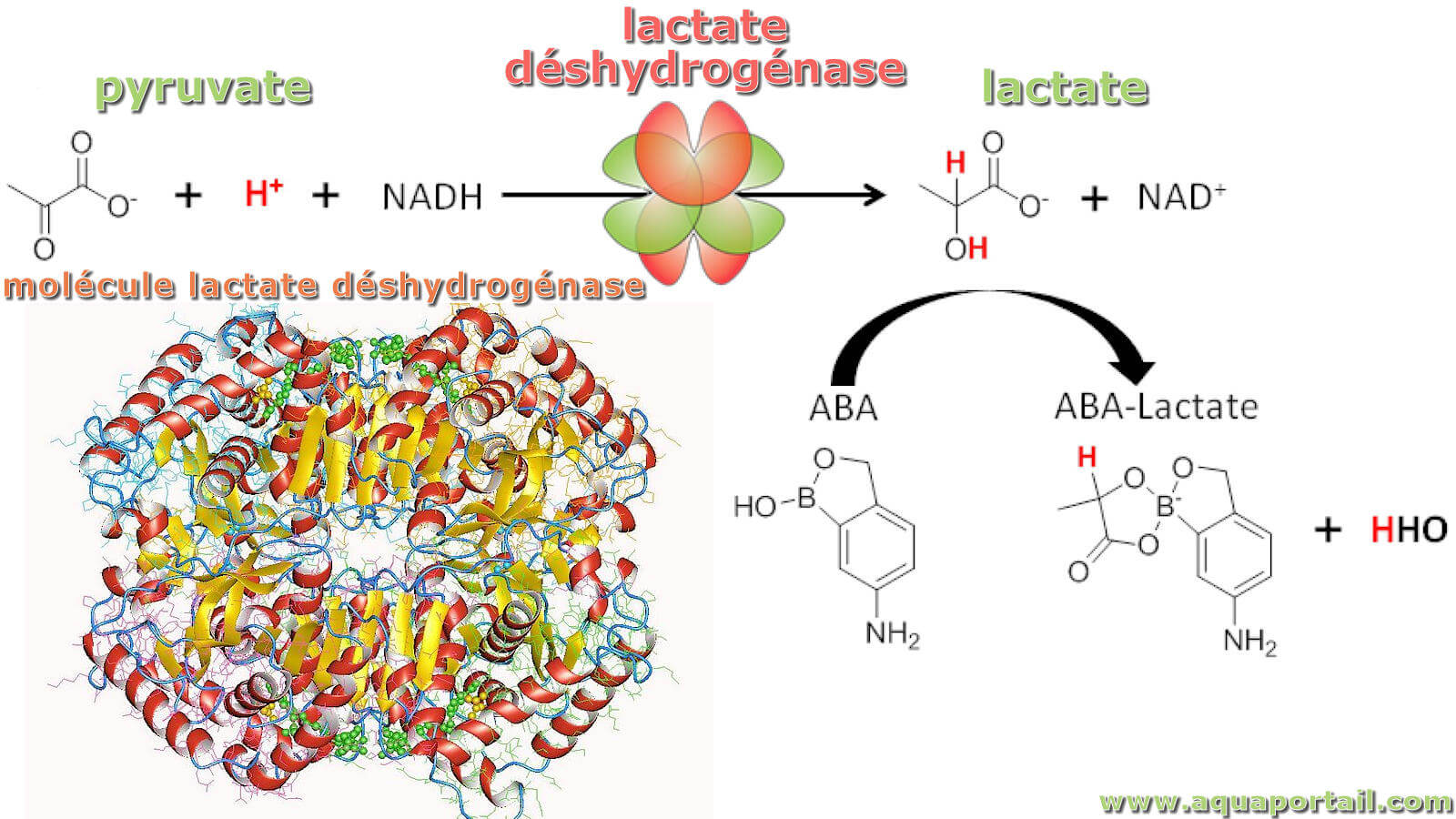
Lactate dehydrogenase or lactic acid dehydrogenase (LD or LDH) is an enzyme present in nearly all living cells. It catalyzes the reversible reaction between pyruvate and lactate, using NAD as a coenzyme.
Explanations
Dehydrogenases are enzymes capable of catalyzing the oxidation or reduction of a substrate by removing or adding two hydrogen atoms (dehydrogenation), using a pair of coenzymes acting as electron and proton acceptors or donors; the primary coenzymes involved in these redox reactions are the pairs NAD+ / NADH, NADP+ / NADPH, FAD / FADH2, and FMN / FMNH2; in each pair, the first is the oxidized form and the second is the reduced form of the coenzyme. Thus, when a dehydrogenase removes two hydrogen atoms from a substrate, oxidizing it, the electrons and protons of those hydrogen atoms are accepted by the oxidized form of the coenzyme.
Dehydrogenases also catalyze the reverse reaction; for example, alcohol dehydrogenase not only oxidizes ethanol to acetaldehyde in animals, but also produces ethanol from acetaldehyde in yeast.
See also lactate as in lactate dehydrogenase (lactic dehydrogenase), malate as in malate dehydrogenase, and alcohol as in alcohol dehydrogenase.
Classes of dehydrogenases
Dehydrogenases are a subclass of the enzyme class known as "oxidoreductases". In general, oxidoreductases catalyze oxidation and reduction reactions. These enzymes fall into six categories: oxygenases, reductases, peroxidases, oxidases, hydroxylases, and dehydrogenases. Most oxidoreductase enzymes are dehydrogenases, although reductases are also common. The accepted nomenclature for dehydrogenases is "donor dehydrogenase", where the electron donor is the substrate being oxidized.
Alcohol dehydrogenase reaction:
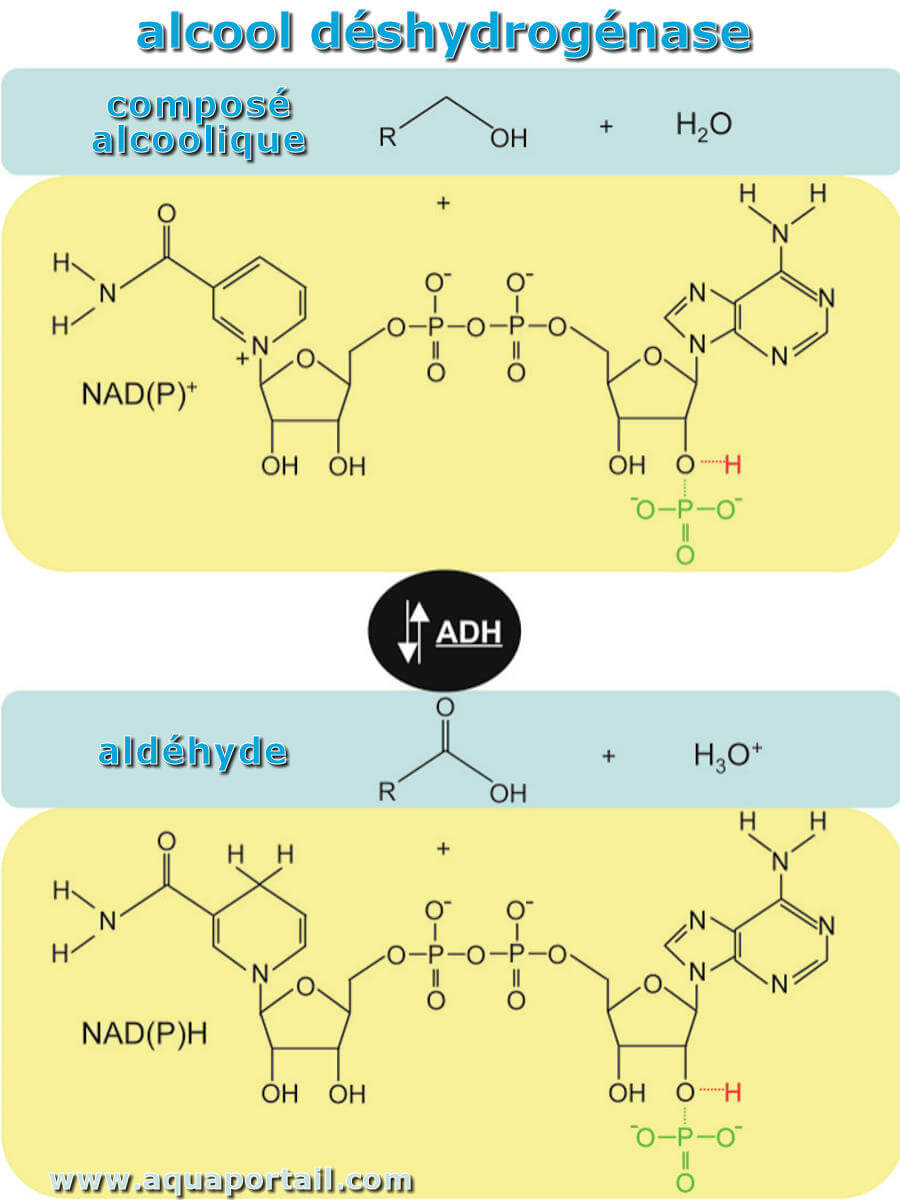
Reaction mechanism of alcohol dehydrogenases: these enzymes catalyze the NAD(P)-dependent interconversion of aldehydes or ketones and enantiomerically pure alcohol compounds. The full structure of NAD+/NADH is marked by a red H atom, whereas the additional phosphate group of NADP+/NADPH is shown in green.
Oxidation-reduction reactions are vital to the growth and survival of organisms, because the oxidation of organic molecules generates energy. Energy-yielding reactions can drive the synthesis of crucial energy carriers, such as ATP in glycolysis. For this reason, dehydrogenases play a central role in metabolism.
Catalytic role
Dehydrogenases catalyze redox reactions using a coenzyme such as NAD+/NADP+ or a flavin such as FAD or FMN as an electron acceptor. Alcohol dehydrogenase catalyzes the conversion of alcohol into an aldehyde or ketone accompanied by the reduction of NAD(P)+ to NAD(P)H. Other dehydrogenases reported in aromatic degradation include naphthalene dihydrodiol dehydrogenase, benzyl alcohol dehydrogenase, etc.
Soil dehydrogenase activity
Dehydrogenases are respiratory enzymes that transfer two hydrogen atoms from organic compounds to electron acceptors, thereby oxidizing organic matter and generating energy. These enzymes occur in all soil microorganisms and thus serve as a generalized comparative index of soil microbiological activity. These enzymes do not exist in free extracellular form and therefore reflect only the activity of intact living cells.
In a reclaimed mine site, soil dehydrogenase activity (DHA) is highest in 17-year-old mine soil, followed by forest soil, then 5-year-old mine soil, then 7-year-old mine soil, and lowest in 2-year-old mine soil.
Dehydrogenase activity increased with reclamation age due to the relatively higher plant cover and organic carbon content at older sites. In that study, the lower dehydrogenase activity observed at the 7-year site compared to the 5-year site was likely due to lower organic carbon and microbial activity, sparse ground vegetation, and low tree density. Apart from reclamation age, the heterogeneity of spoil materials and the nature of plant species influence carbon accumulation and consequently dehydrogenase activity.
Synonyms, antonyms
Spanish translation: deshidrogenasa
1 synonym (similar meaning) for "dehydrogenase":
0 antonyms (opposite meaning).
Related words and expressions to DEHYDROGENASE are directly connected by general or specific meaning.
The word DEHYDROGENASE is listed on page 1 of words starting with D in the dictionary glossary.
Related to "dehydrogenase"
oxygenase
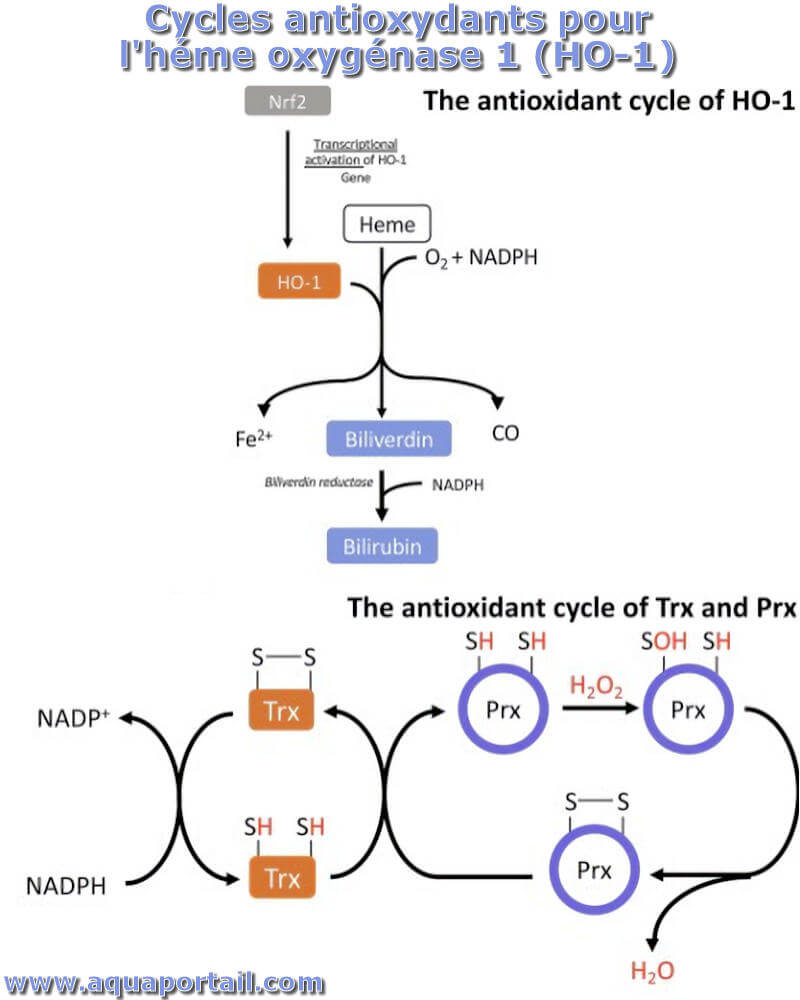
An oxygenase is an enzyme of the oxidoreductase group that catalyzes the addition of one (monooxygenase) or two (dioxygenase) oxygen atoms (dioxygen).
dale

A dale is a small valley or glen that does not (or no longer) contains a watercourse. The concave hollowed space of a dale is not large enough to build...
daphnia
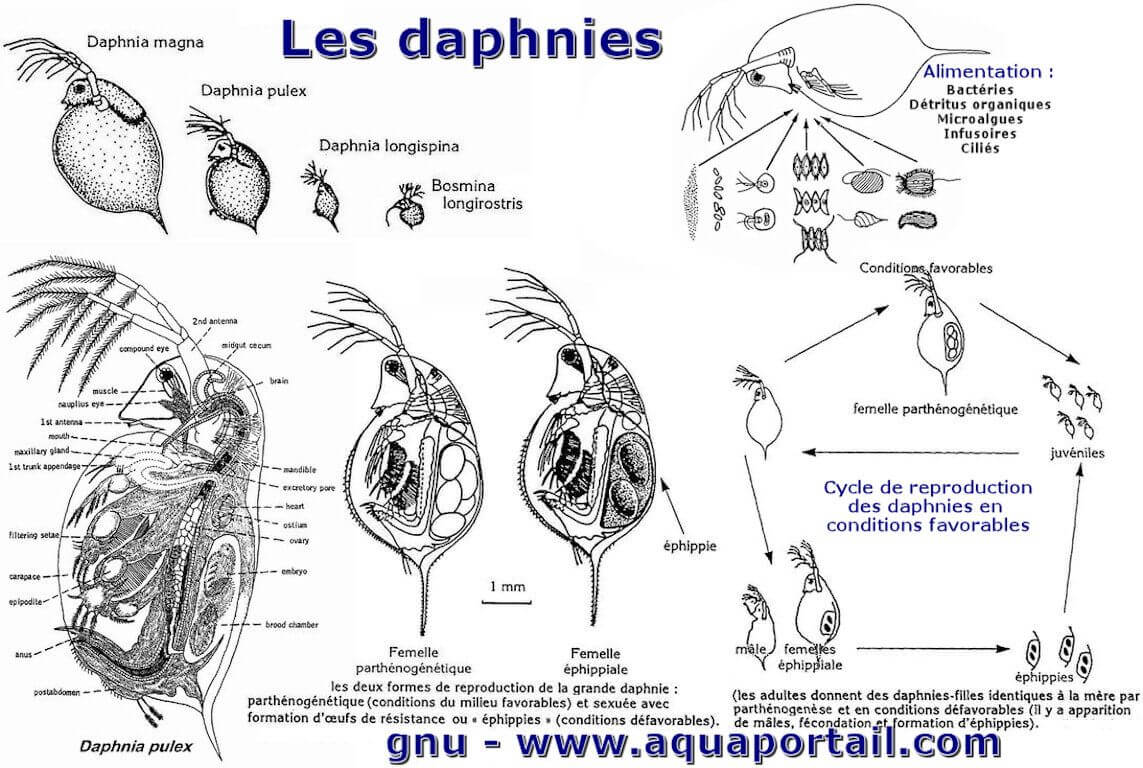
Daphnia is a planktonic branchiopod crustacean of the family Daphniidae, forming a dominant portion of freshwater plankton.
dawn

Dawn marks the transition between night and day, when the sky brightens and morning breaks in the East.
