The endosymbiotic association is mutually beneficial for both the endosymbiont and the host.
Mitochondria and chloroplasts are both organelles proposed to have an endosymbiotic origin. Evidence supporting the extracellular origins of these organelles can be observed by examining certain key features: double-membrane bound structure, sensitivity to antibiotics, mode of replication by cell division, presence and structural composition of DNA, and ribosome size.
endosymbiosis
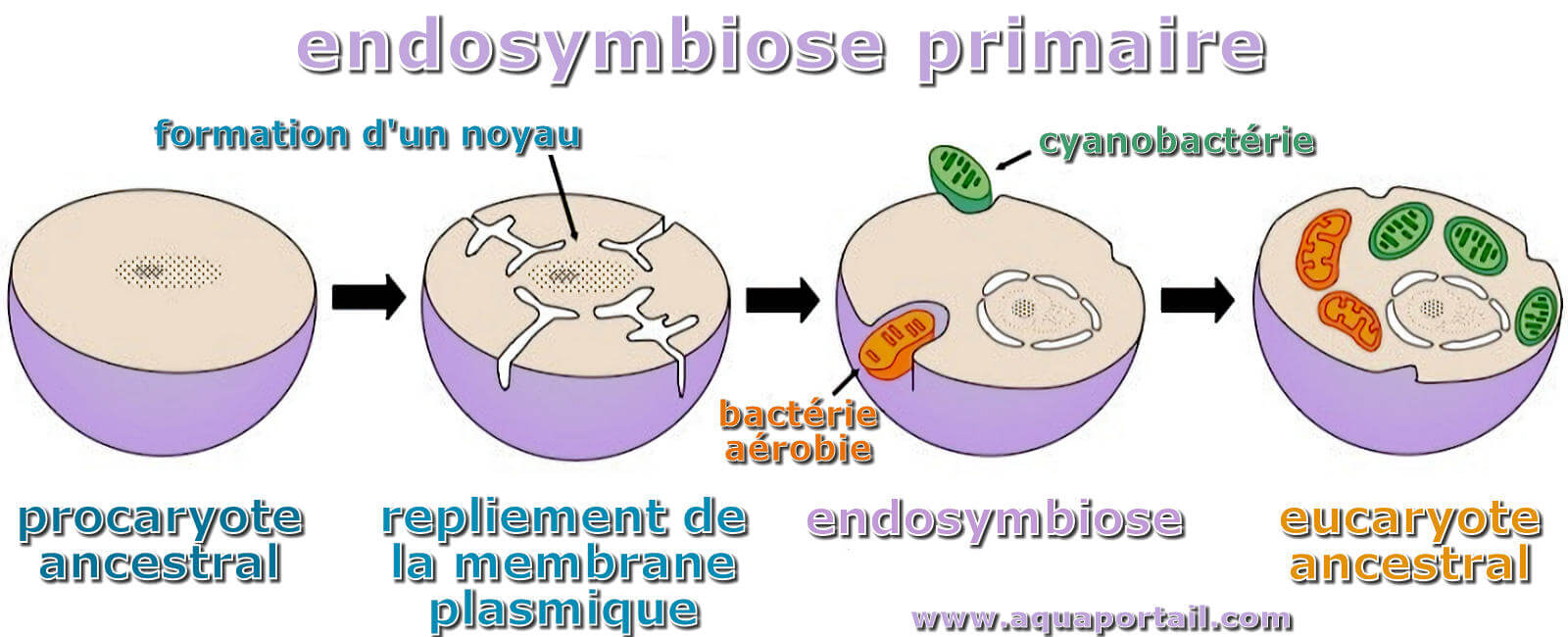
Endosymbiosis refers to an evolutionary theory proposing that the plastids and mitochondria of eukaryotic cells originated from endosymbiotic bacteria.
endoskeleton
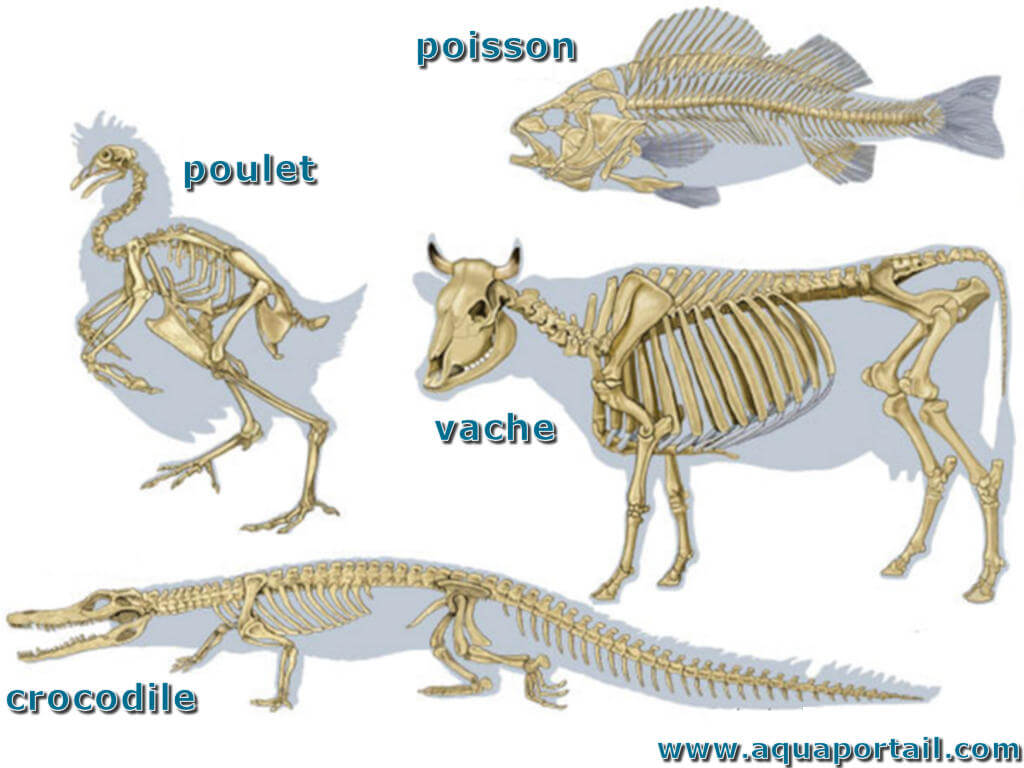
An endoskeleton is an internal skeleton and therefore contrasts with the exoskeleton (external) and the hydroskeleton.
endospore

An endospore is a dormant, tough, and non-reproductive structure produced by a small number of bacteria from the phylum Bacillota (Firmicutes).
abiotic

In biology and ecology, abiotic refers to what is not biotic, that is, not part of living beings.
